Clodagh Finn: Acts of defiance and solidarity are very uplifting but why do we still need them?
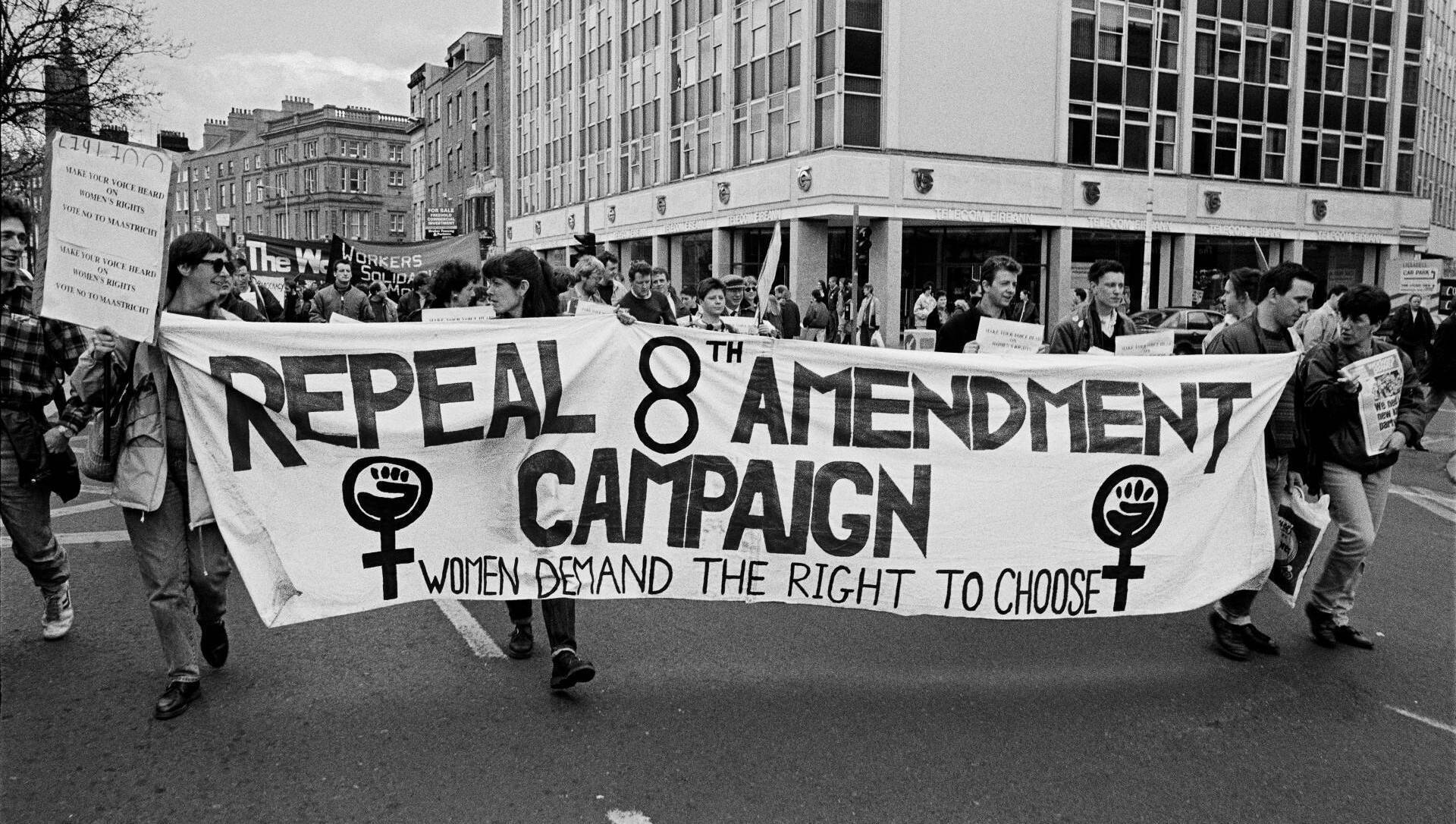
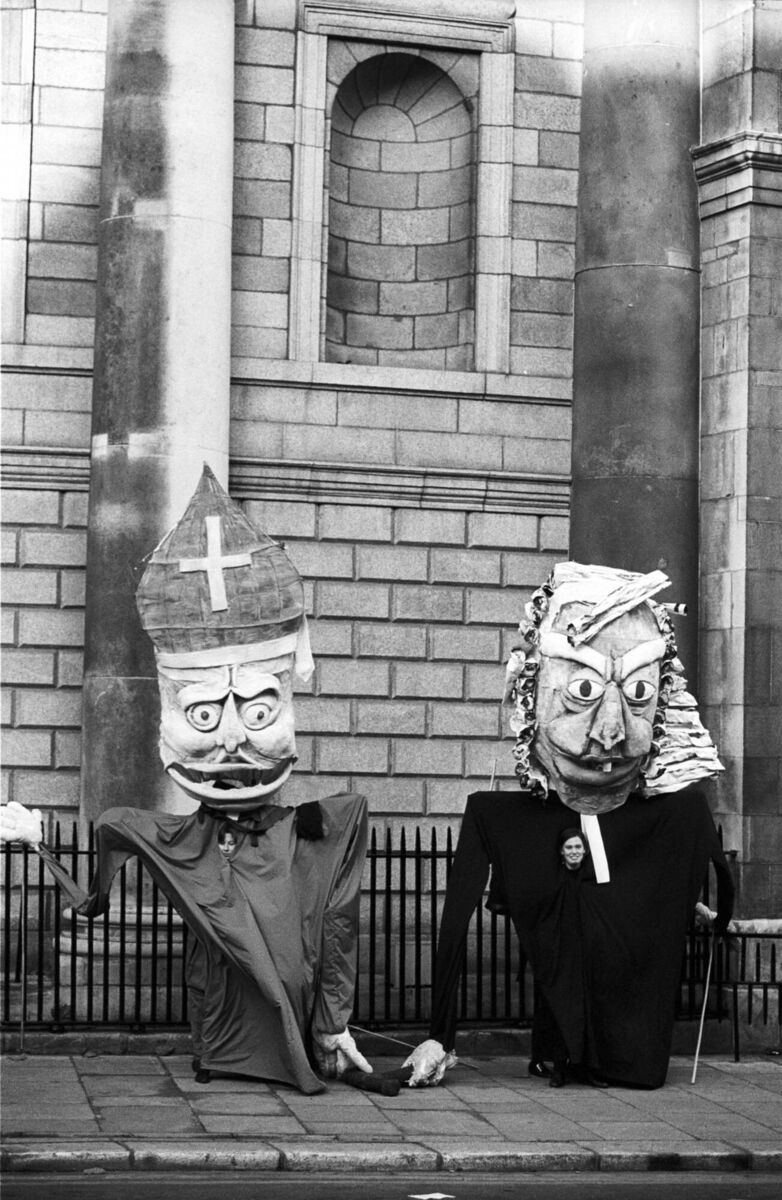
A Repeal the 8th protest on O'Connell Street in Dublin in 1992. Picture: Rose Comiskey from Acts of Defiance

It is deeply satisfying to look back and see all that has been achieved by determined Irish women armed with nothing more than banners and a vision for a new Ireland.
That is the happy thought that rushed to mind after reading (Hi Tone Books), a thought-provoking and arresting collection of Rose Comiskey’s photographs which chart women’s protest movements between 1984 and 1992.
The other thing that shines through the pages of her important record of female acts of defiance is that every single one of them were underpinned by deep friendship, a sense of community and the kind of solidarity that hatches real change.
Take, for instance, this moving account from artist Mary Duffy on being detained without cause in a Garda station in 1984.
She was arrested, along with 32 other women, while campaigning for disarmament during Ronald Reagan’s visit to Ireland. She was put in a cell in the Bridewell, where eight women shared three wooden bunks and “half a telegraph pole for a pillow”, she writes.
This is how she remembers it: “Looking back now, forty years later, I remember most of all Sophie. She was really ill and wanted a hand to hold. I had none to offer (Mary was born without arms after her mother was prescribed Thalidomide during pregnancy). I proffered my left foot in a gesture of comfort in the dark.
“I know that offer is the bravest thing I have ever done (in a long line of what I recognise as really hard and brave undertakings). It was the first time ever I offered my foot to hold a hand. And I did it in the dark.”
Read More
At a time when the light of truth has been corrupted into such a malleable concept, it is vital to set down what has gone before.
As Rose Comiskey says, memory can be skewed and it can change over time, but if you have a photo and — in this case, a piece written by one of the women involved in each of the featured campaigns — you get a real flavour of what it was like.
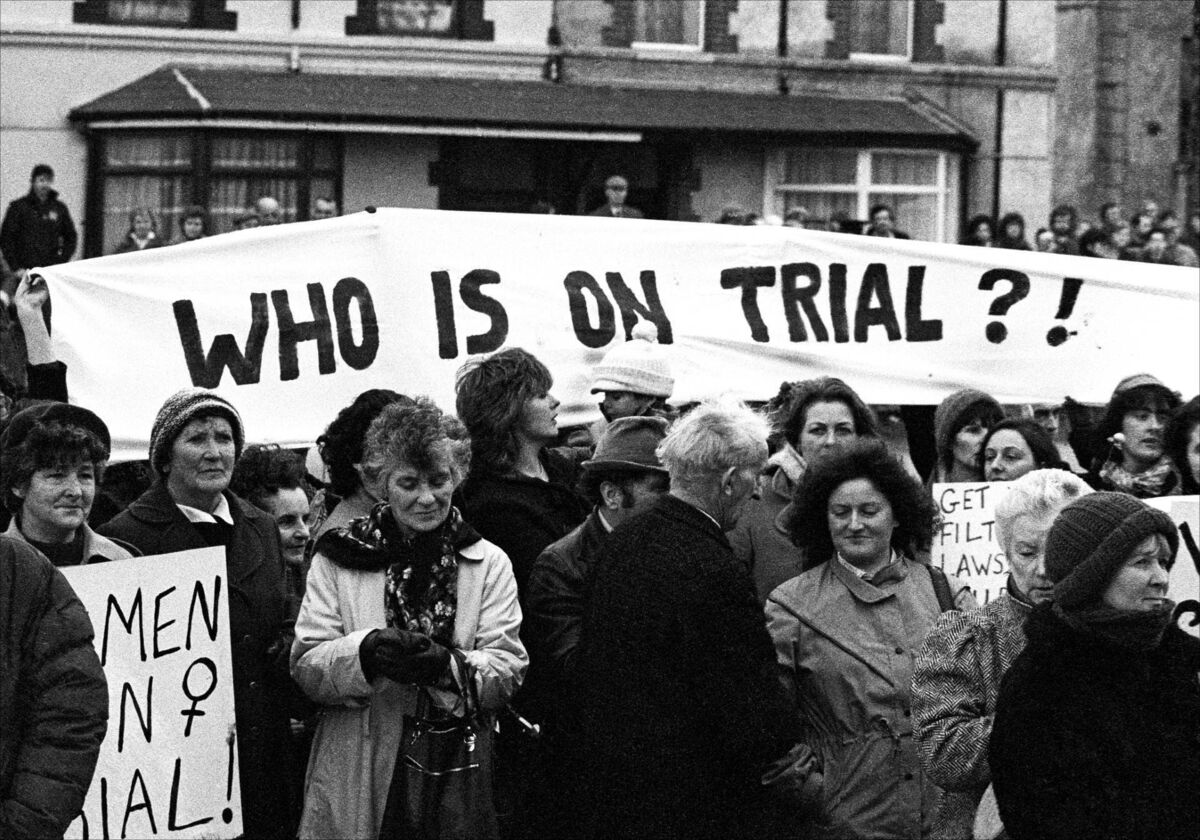
You certainly do. I was catapulted back to 1985 by Ruth Jacob’s account of how campaigners from all over Ireland converged on Tralee Courthouse bearing yellow roses in a gesture of support to Joanne Hayes.
She writes: “[Her] ordeal at the hands of the police and judicial system threw into sharp relief attitudes towards women, sexuality and motherhood in the Irish State.”
I remember this vividly because, as a Tralee native and young student at the time, I saw those women gather with their placards, their roses and, most potent of all, their crystal-clear message that the wrong person was on trial.
The tribunal had been set up to investigate the behaviour of the gardaí while questioning a woman but, in the cruellest and most Irish of twists, it turned on the woman herself.
You can’t revisit that decade without remembering the selflessness of the Dunnes Stores strikers who, at great personal cost, campaigned for a ban on South African goods in protest at apartheid.
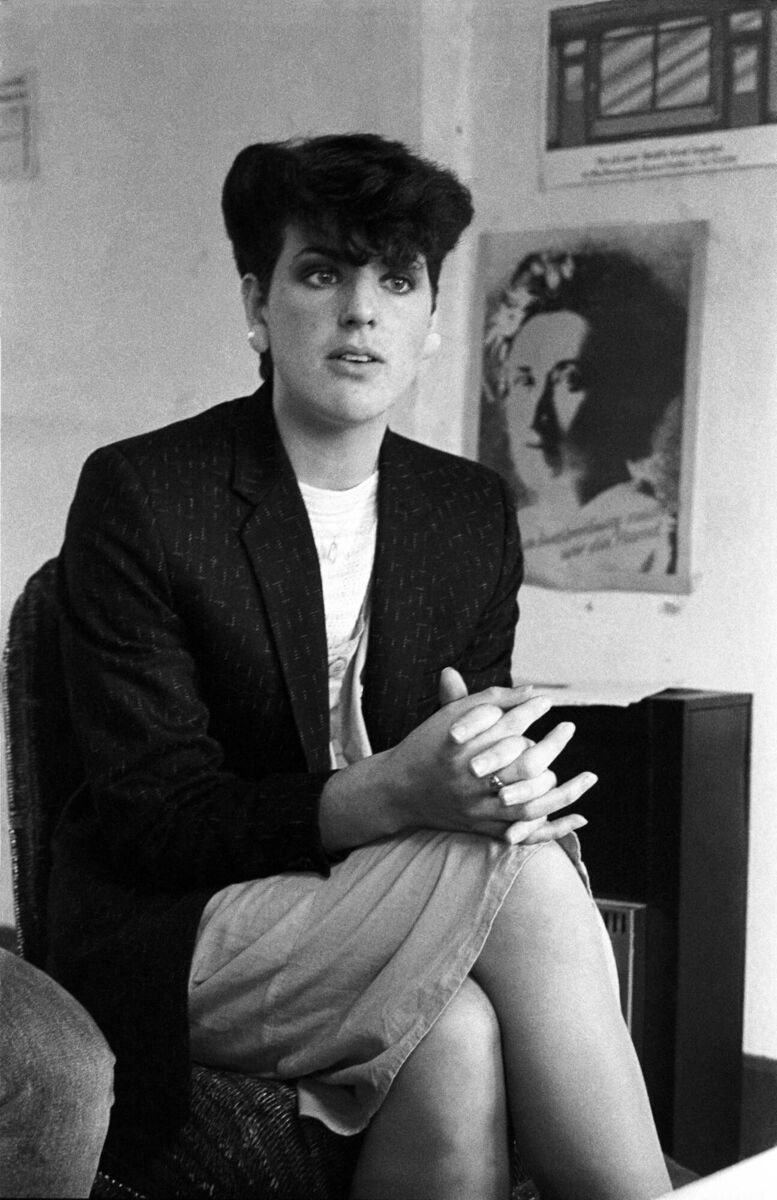
There’s a soulful photo of one of the strikers, Theresa Mooney, along with her poignant account of what it was like to go on strike as a 23-year-old recently married woman living in a mobile home saving for a mortgage.
The government did eventually pass a law to ban the importation of South African fruit and vegetables. The strikers were elated until they had to return to the workplace after three long years.
“The atmosphere was toxic,” writes Mooney, but she never regretted her decision. “I still live my life by the same principles and moral compass.”
It is heartening to see how many of the protests photographed by Rose Comiskey went on to achieve their aims, even if they sometimes came at a high cost to campaigners.
Their efforts wrought change that was unimaginable at the time. Who, for example, could have imagined in 1985 the Irish people would vote to introduce divorce in 1995, same-sex marriage in 2015 and to repeal the eighth amendment to the Constitution in 2018?
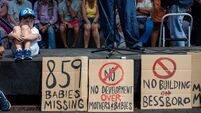
I’m taking comfort from that now as another selfless group of placard-carrying activists marched out in protest last weekend against An Coimisiún Pleanála’s decision to uphold planning permission for more than 100 apartments at the former mother and baby home site at Bessborough.
That a protest was needed at all beggars belief.
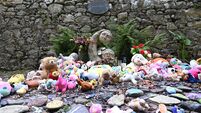
In one part of the country, archaeologists are digging up the bones of dead babies at the former mother and baby home in Tuam in Galway (at last count, forensic investigators had uncovered the remains of 99 infants).
Yet, in Cork, there is a plan to build over a site where the remains of 19 women and 859 babies are still missing.
As special advocate for survivors Patricia Carey said, the “abhorrent decision” was made despite two appeals, over 160 objections and a huge wave of public, civic and political support.
There’s a chink of light in Taoiseach Micheál Martin’s statement he has asked Cork City Council to engage with the landowners “with a view to exploring all options for the future of the site”.
But again, you have to ask the question: How did it come to this?
For years now, Bessborough has been acknowledged “as a place of huge importance and connection for many, many, families and people”, to quote the Taoiseach. “We need to do the right thing for all concerned,” he added.
So why is it so excruciatingly difficult to do that?
In this issue — and in so many others affecting the lives of women — ordinary people have been forced to fight for every inch gained, for every concession won.
Women, for all of time, have reconstituted the world. They have conceived the next generation, borne them and cared for them. And yet, as the records for much of that time show, they have faced discrimination, violence and, shamefully in Ireland, record-breaking levels of incarceration in institutions.
We are just beginning to acknowledge the effects of the latter. And at that, only partially.
We shouldn’t need to call for the release of sealed Mother and Baby Homes Commission of Investigation records relating to burial ground investigations in all institutions, as the special advocate has done.
I heard the force of nature that is Dr Mary Harney, a Bessborough survivor who was conferred with a PhD last month, say other countries have admitted the wrongs they have done their citizens and made restitution, so why can’t Ireland?
For a long time, I’ve felt utterly sunk by the repeated failures by government and various institutions of the State to address these myriad wrongs.
Somehow looking back at the past achievements outlined in Rose Comiskey’s book has given me renewed hope and, as Orla Fitzpatrick writes in the introduction, also offers a blueprint for future change.
Change is possible when people come together and fight for it. It’s a long, slow and relentless process, but we’re up for it. Though it looks as if we are going to need a lot more banners.

CONNECT WITH US TODAY



Be the first to know the latest news and updates