Fergus Finlay: Given our 'innocent bystander' history, Ireland is ready to overcome hardship from Iran war
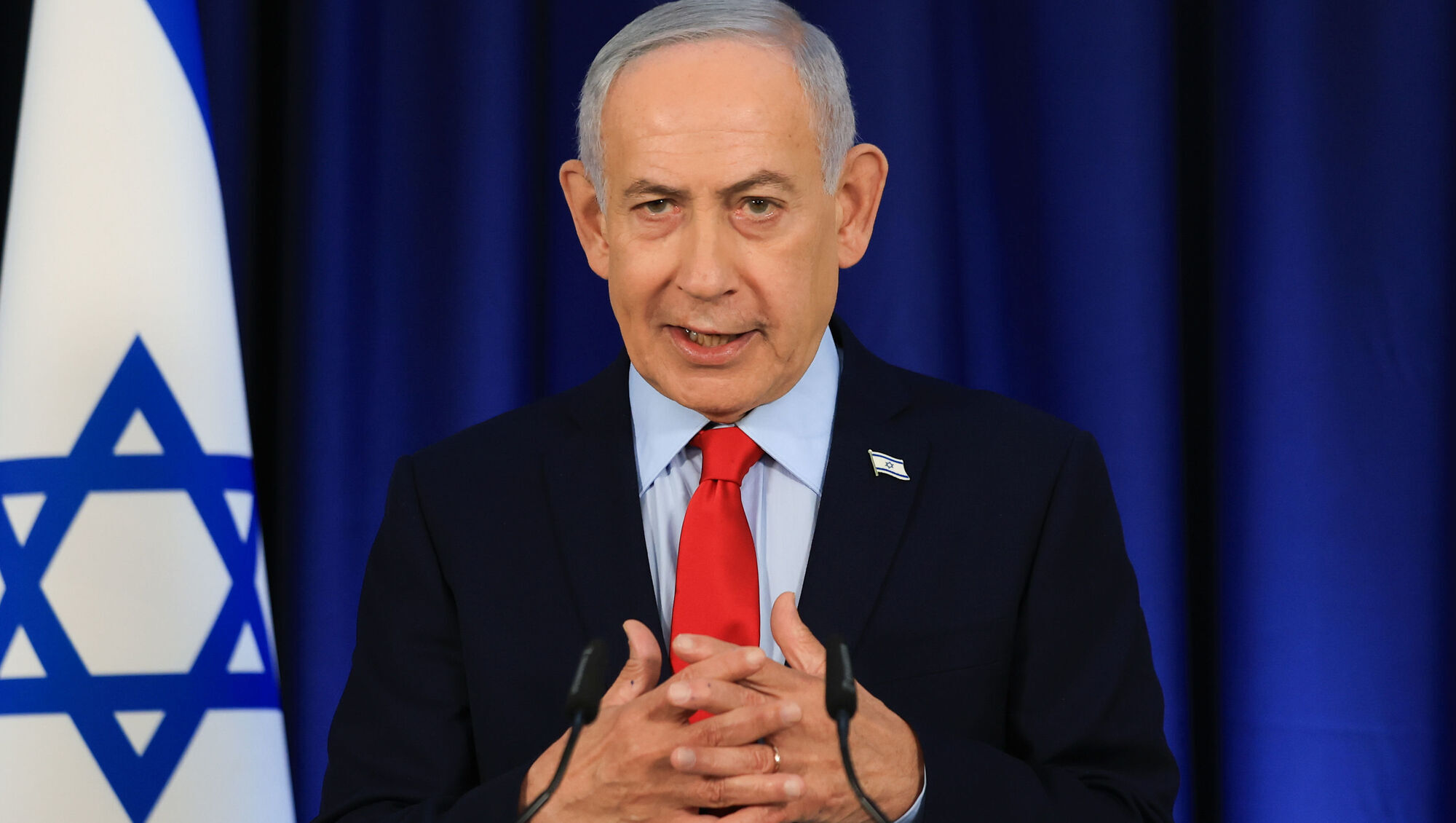
Prime minister Benjamin Netanyahu’s empire building, it seems, will never be sated, at least not before he has succeeded in dragging Israel through pools of blood and misery. File Picture: Ronen Zvulun/ AP

The entire world has now become an innocent bystander in the Donald Trump/Benjamin Netanyahu war against Iran. Iran and anyone else Netanyahu feels like bombing the hell out of.
In the medium term, they are stoking further generations of people who will hate Israel and the US. In the short term, they are generating a needless and painful energy crisis for their own people and everyone else. For us in Ireland, it promises to be yet another major test of our resilience.
This is a war with no purpose, no plan, no strategy, no defined outcome. A war with a beginning and no easily foreseeable end. It’s as if two men decided between them to say: “Screw the rest of the world, we’re going to conquer the Middle East just because we can.”
They just automatically assumed, because the regime in Iran is despotic and odious, that the rest of the world would applaud loudly while they wreaked untold havoc.
Trump, in particular, now spends half his time bleating and moaning because Nato hasn’t joined his war of aggression.
Nato exists to defend its members, not to aggressively start wars.
Netanyahu, of course, doesn’t bother with that. He has Trump in a half nelson, and that’s all he wants. Netanyahu’s empire building, it seems, will never be sated, at least not before he has succeeded in dragging his own country through pools of blood and misery.
When Pope Leo spoke last weekend about leaders whose hands were full of blood, there was little doubt about whom he was speaking.
Of course, to accuse Netanyahu of anything is to risk being accused of antisemitism in return. So be it.
I have always believed in Israel’s right to exist and in the absolute right of the Israeli people to live in peace and without fear, but this war virtually eliminates any possibility, for generations to come, of Israel’s ability to make peace.
It was one of Netanyahu’s predecessors, Shimon Peres, who said: “When Israel was weak, I worked to make her fierce. But once she was strong, I gave my life’s efforts to peace.”
It was he who coined the phrase about never needing to make peace with your friends — only with your enemies. Netanyahu is the polar opposite of a stateman such as Peres.
Nobody yet knows how bad this can get. With the support of the Houthis, Iran could probably close the Arabian Sea and the Red Sea entirely.
If it got to the point where Iran (or the Houthis) launched attacks on the Suez Canal, that could plunge the entire world into an economic crisis — certainly a recession, but perhaps another depression. Oil comes through Hormuz, but everything else comes through Suez.
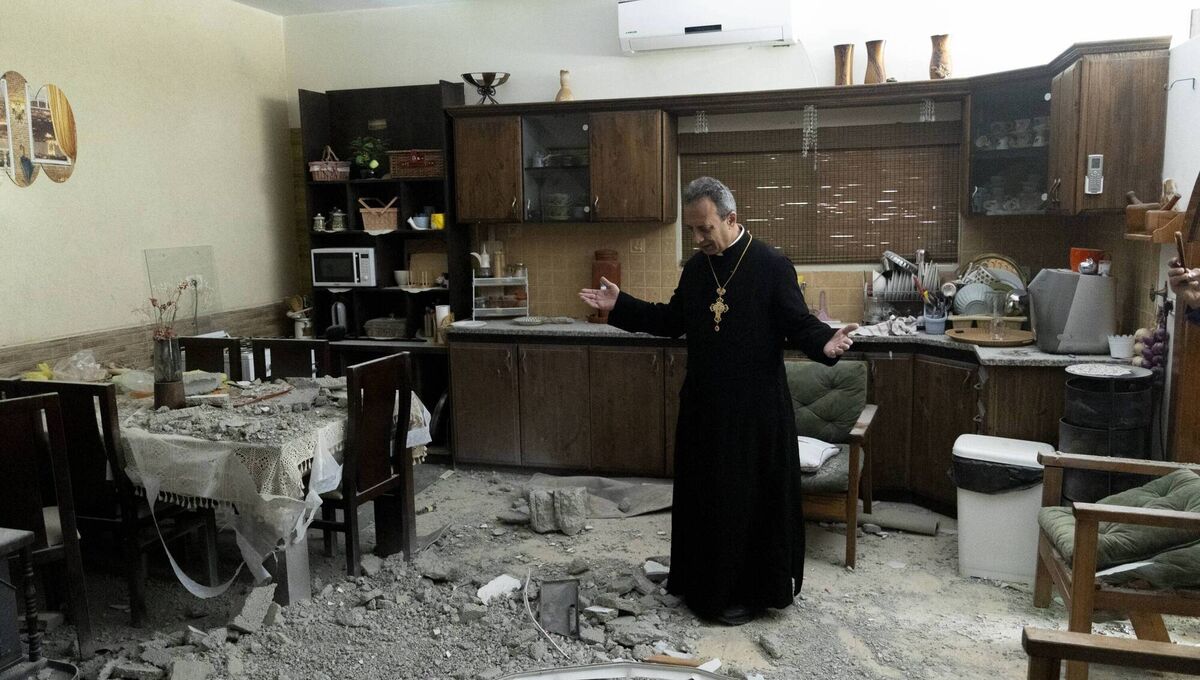
But, as I said, we’re innocent bystanders in these global catastrophes, whatever causes them. That has never saved us in the past.
After years of struggle and paying rent, we bought our first house in Dublin in 1992.
The first mortgage payment was £700 (punts they were called in those days), the second was nearly £900, and the third was just over £1,000. There wasn’t enough money to make the third payment, and I had to crawl on hands and knees to the building society to save the house. Had it gone on for one more month, we would have been in much deeper trouble. As it was, it took us two years to catch up.
That all happened because we were the innocent bystanders in a currency war. Britain, itself in crisis, had withdrawn from what was then known as the European exchange rate mechanism. As committed Europeans, we stayed in the mechanism which meant our punt was tied to the German mark.
When we bought the house, the mortgage rate was around 7%. Within our first couple of months, the mortgage rate was 15%. It was terrifying.
At the end of January in 1993, the Irish government had to bend to the inevitable. We devalued the punt by 10% overnight, and interest rates almost immediately returned to normal.
We joined the euro and, ever since then, have enjoyed a much higher degree of protection — at least in that area.
It wasn’t by any means the only time we were damaged by forces outside our control. I’m old enough to remember the first oil shock of the 1970s. It was triggered by the Yom Kippur War, when a group of oil-producing Arab countries banded together in an organisation called Opec and simply decided to shut off oil supply to anyone they viewed as sympathetic to Israel.
I don’t think anyone who lived through that period will ever forget the recession it caused.
Everything changed overnight. It wasn’t just the endless queuing we all had to do to try to secure miserable amounts of petrol for our cars.
Inflation shot up, unemployment shot up, factories closed and never opened again. The State had no money and, even if it had, we had a deeply conservative government in place. In the face of fear and panic that gripped the entire population, it managed to convey an air of “you’re on your own, sunshine”.
In 2008, the world financial system came close to collapse because of a banking crisis. When that hit us, we already had a housing bubble in Ireland. We had poorly regulated banks that ended up defaulting. We had enjoyed, if that’s the word, years of profligate government spending. As the late Brian Lenihan Jr implied, we hadn’t just lived beyond our means, we had partied beyond our means.
We paid a terrible price for our lack of preparation. I still believe that period in Ireland sowed the seeds of wholesale alienation from politics. We still haven’t recovered, emotionally or psychologically, from that or from the likes of the covid crisis and the damage it caused. At least in that case, unlike our nearest neighbour, Ireland was ready to protect its people and deal with the damage.
The lesson I draw from all that recent history is this: When a crisis hits you out of the blue, the job of government is to manage the day-to-day and plan a way through.
We’ve had governments that weren’t up to that job. We’ve had governments that rose to the occasion. However, as a people, we’ve always seemed to be ready. Ready to knuckle down, ready to take hits, ready to support each other.
Given the 50 years history of “innocent bystander” shocks we’ve endured, we should be a broken country. But we’re not. We don’t know yet whether this present conflict will get worse or better. But we can be pretty sure that we might need to overcome once again. And if we have to overcome, we shall.

CONNECT WITH US TODAY



Be the first to know the latest news and updates