Sarah Harte: We could fund universal healthcare — the issue is whether we want to

We no longer live in a nasty, narrow theocracy but nor are we anywhere near a universal model of healthcare
Attitudes are changing, but gender equality will ultimately remain a pipedream as long as women perform the bulk of unpaid and underpaid caregiving.

Attitudes are changing, but gender equality will ultimately remain a pipedream as long as women perform the bulk of unpaid and underpaid caregiving.

Last week Alan Gilsenan’s impressive film, The Seven Ages of Noël Browne, looked back at his controversial Mother and Child Scheme. It was 72 years ago when Browne attempted to introduce it, but neither the scheme nor his broader vision of universal healthcare ever came to pass.

Browne as minister for health in the John A Costello coalition was ousted before he could achieve either.

On the same day the film aired on RTÉ1, the Irish Human Rights and Equality Commission published a lengthy policy document raising issues straight out of the Noël Browne playbook.

Browne’s Mother and Baby Scheme, which aimed to offer universal healthcare to women and children up to the age of 16, was torpedoed by medical consultants and the Church. 

The former were worried about their bank balances, the latter terrified that Browne would introduce family planning.

They leant on politicians who caved and Irish women were trapped into endless pregnancies, with one of the highest rates of infant mortality in post-war Europe.

We no longer live in a nasty, narrow theocracy, one that saw Browne ostracised and unable to find work for years as a doctor because he was roundly punished for wanting to tinker with the Irish social order.

Nor are we anywhere near a universal model of healthcare.

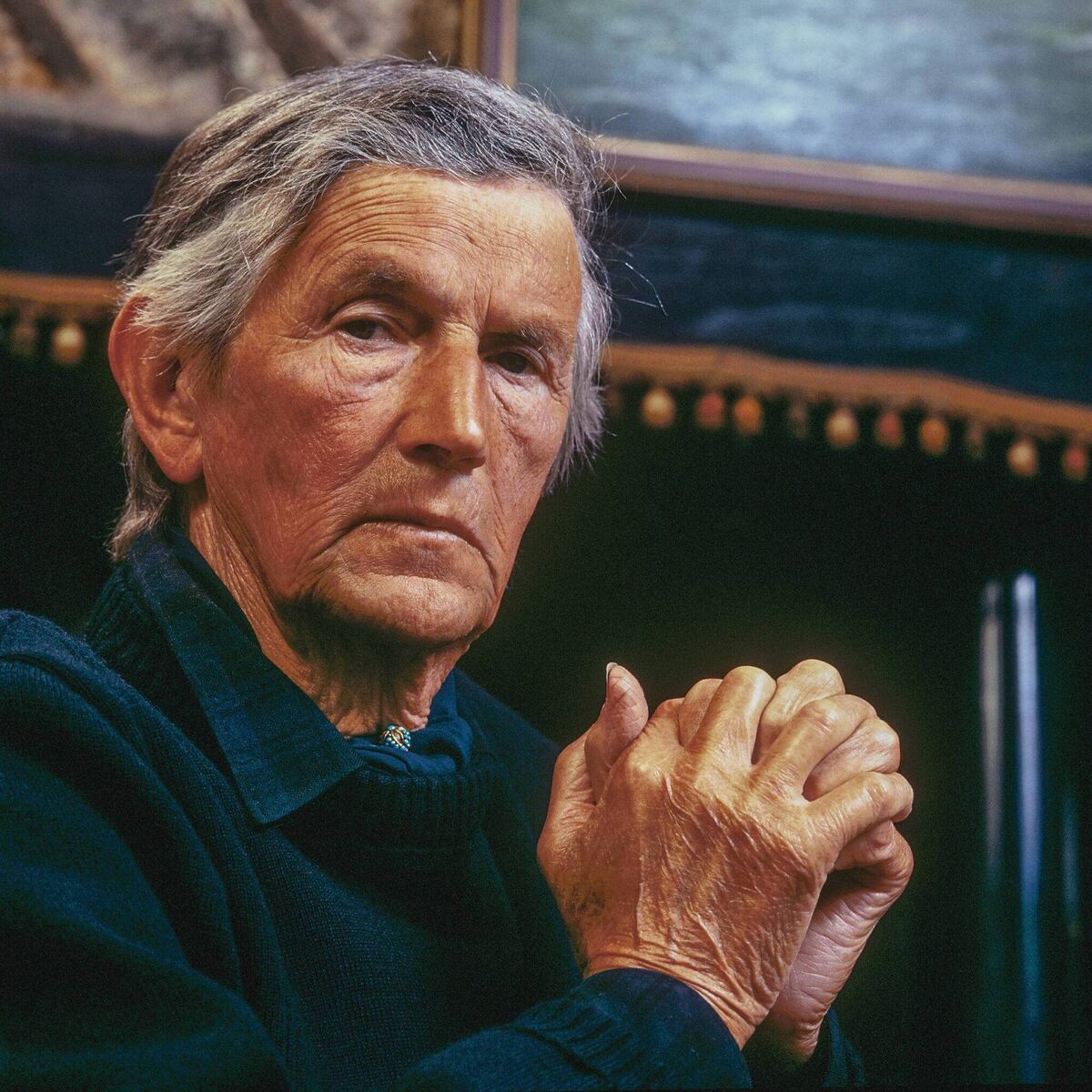
Dr Noël Browne’s vision for universal healthcare never came to pass.

Our health system is two-tier with many services more accessible to high-income earners leading to health inequality.

Social care and community care allied to the health service are underfunded. And Irish women continue to shoulder a burden where unpaid and underpaid caregiving work is concerned.

The Irish Human Rights and Equality Commission proposes a publicly funded, non-profit universal-style model of caregiving that would reach from cradle to grave. 

Browne, who died in 1997, would heartily endorse this kind of big-ticket stuff.

At the core of the Commission’s document is the idea that seeking to profit from care contradicts the values of caring for somebody.

Adopting this idea would require what Commission chief Sinead Gibney has called a major cultural shift or reversal in thinking on the part of both the State and the public.

Big business

This is an understatement because far from socialising health and caregiving we are privatising it with an acceleration in private equity ownership in medical or caregiving settings. And globally it’s big business.

Even in Britain, whose NHS is a universal model of healthcare, a front-page article in last Saturday’s Guardian warned about allowing childcare and social care sectors to become a “playground for private equity”.

In Ireland, the State often subcontracts out caregiving services to for-profit services. To take an example, 15 nursing home groups run 50% of all nursing home beds in this country.

The Commission’s report advocates deprivatising services because it claims that research shows that the quality of care provided in the private profit-making sector is poorer “over time”. But is this true?

There is a lack of empirical research on this topic. However, last month, a global study published in the British Medical Journal suggested that private equity ownership of healthcare services, including hospitals and nursing homes, had mixed to harmful impacts on the quality of care.

The thing that stood out most was the finding that healthcare costs were increased. Also, no “consistently beneficial impacts” of private equity ownership were identified.

The study is considered to be one of the first systematic reviews of its kind and was carried out in eight countries, including the UK, Canada, the US, the Netherlands, and Sweden.

The suspicion is that profit-driven private companies often with opaque ownership structures are duty-bound to “sweat the assets” through cost-cutting measures, reducing investment, or raising prices.

Running a business and making a profit is not a crime, but you do wonder if the profit-driven philosophy marries well with health and caregiving services and the notion of the public good.

In Ireland, covid highlighted fault lines in the nursing home model with 30% of all covid-related deaths between March 2020 and February 2022 occurring in nursing homes.

Five of the eight studies in the British Medical Journal showed that private equity ownership in nursing homes is associated with reduced nursing levels or changes in nursing skill sets to reduce operator costs.

With an ageing population and over one million people aged 60 or older, deciding on the right structures and supports to deliver high-quality care for older people in a cost-effective way will become more of an issue here. 

And on a human level, as they age, many older people want to remain in their own homes and communities. Currently, the HSE provides homecare and support services but nowhere near enough.

Another key area in which the Commission makes recommendations is the perennially hot-button topic of caregiving within the family. The childcare sector continues to be in relative crisis.

Although there is progress in the expansion of the Early Childhood Care and Education programme we largely rely on for-profit childcare with childcare costs among the highest in the world.

We can only envy many of our European neighbours who take affordable, accessible, and high-quality childcare for granted.

It’s a crippling economic burden to many families and it holds many Irish women back. Attitudes are changing, but gender equality will ultimately remain a pipedream as long as women perform the bulk of unpaid and underpaid caregiving.

As the Commission puts it, care inequality “is a root cause of global female socio-economic disempowerment”.

Staying at home to look after children (or anybody who needs care) is great if you make a choice and can afford to do so but being compelled to because the State doesn’t support you or being hammered for it financially down the line is stone-age.

One potentially controversial suggestion by the Commission is that the State should introduce maternity, paternity and parents' benefit schemes that would be adequately funded and non-transferable to encourage the sharing of responsibilities — presumably meaning that Daddy couldn’t hand his leave over to Mummy.

The non-transferable aspect of this proposal will have social conservatives reaching for the vapours because it involves reaching into the bosom of the family and constitutes a form of social engineering, which is exactly what the Church opposed with Browne’s scheme.

Referendum

The referendum on equality and care, which is supposed to take place in November (now unsurprisingly delayed because of difficulty in formulating a definition of the family) proposes replacing the references to a woman’s “duties in the home” with more gender-neutral language.

Updated language may chime with a more modern sensibility but unless lofty aspirations are backed up by adequately funded, high-quality childcare measures, accessible to ordinary families, lone parents, and women, then it's all just window-dressing.

One of the rationales put forward for opposing the Mother and Child scheme 72 years ago was that we couldn’t afford it.

While that justification was a fig leaf for darker, less noble reasons, the Irish State was comparatively poorer then.

That’s no longer the case. We could fund universal care, the issue is whether we want to.

More in this section

Revoiced

Newsletter

Had a busy week? Sign up for some of the best reads from the week gone by. Selected just for you.

Cookie Policy Privacy Policy Brand Safety FAQ Help Contact Us Terms and Conditions

© Examiner Echo Group Limited