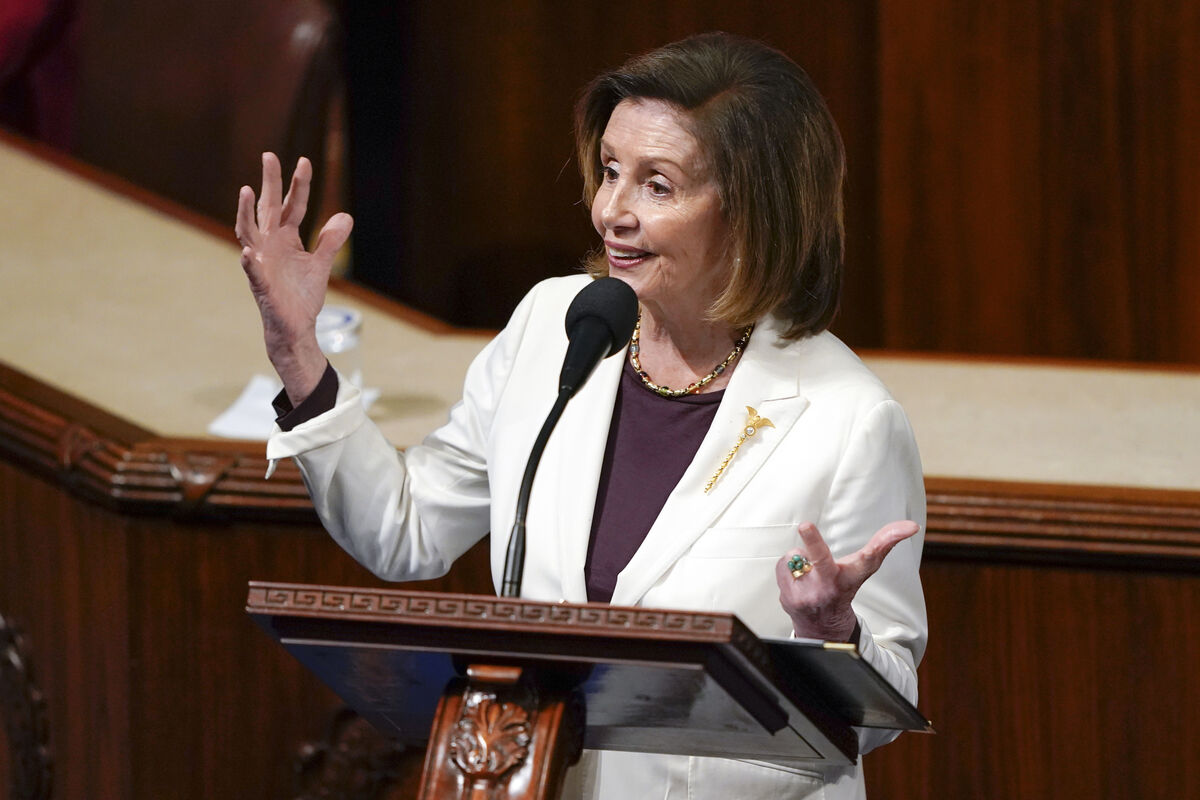
Alison O'Connor: Pelosi was a political powerhouse — we may not see her like again
Nancy Pelosi showed an amazing ability to unite her party, negotiate with the Senate and the White House, raise money, and motivate the grassroots.
After a stellar career that spanned decades and involved smashing the glass ceiling not once but on a number of occasions Nancy Pelosi had simple words to offer anyone following in her footsteps.
“My one piece of advice is always be yourself. The authenticity of you is so very important,” said the first woman to serve as speaker of the US House of Representatives, considered by some to have been the most powerful speaker of all time.
In a week when Republican leader Kevin McCarthy faced revolt in the ranks in his efforts to be elected to the same position, Pelosi was watching on as chaos reined in the Chamber she so recently ruled over so effectively. Republicans had won back the house in the November mid-term elections, but only with a slim four-vote majority.
McCarthy was thwarted by an anti-establishment rump, many of them election deniers, who refused to vote for him. The inability to seal this particular deal is something that had not happened in that chamber since 1923.
That Pelosi quote of the importance of being yourself has a follow-on where she said what had served her well (as leader) was respecting our members, “each and every one of them, even if I disagree with them”. She faced more than a few tight moments over her career but her huge political strength lay in her ability to get the votes when she needed them, but also knowing when to ease back and realise when her Congress colleagues might on occasion need to vote a certain way for their own constituency.
Clearly, Kevin McCarthy could have done with a few more of her political skills this week but the direction that has been taken by the Republican party of late, with Trump diminished but still in the mix, makes for a very difficult group to unify. However, the contrast between Pelosi’s strength and McCarthy’s weakness has been obvious long before recent days.
After announcing she would step down, in her last few weeks as House Speaker she hosted various groups and one of those was a group of female journalists.
A Catholic, she recalled to the group that one of her biggest disappointments and the closest she ever “came to tears” was the Catholic Church lobbying against the Affordable Care Act, President Obama’s controversial signature healthcare reform. This is the law that Pelosi considers to be her most important political achievement requiring all her legislative skills. It was she who ensured that it finally made it into law. She took charge of it, with a final vote of 220 to 211. It was opposed by the Church because it included cover for contraception.
But this success made her even more of a villain for Republicans which has had repercussions ever since. She voted against the Iraq War but for the Wall Street bailout in 2008, in the midst of the financial crash, after it had failed to pass on the first occasion. President George W Bush was in office at that time.
She has a place in the history books for a number of reasons not least that no other speaker brought impeachment charges against a president twice — President Trump. The first time was over his conversation with the then-president of Ukraine and the second after the January 6 attacks on Capitol Hill.

Pelosi was the highest-ranking female to ever serve in the US Government, second in line to the Presidency. Although she had agreed in 2018 not to run again for the position of Speaker, it is believed she would have been successful if she had made another attempt. But a few factors, not least the violent attack on her husband Paul at their home in San Francisco in October, are seen to have played a part.
He was attacked with a hammer, resulting in a fractured skull, by a follower of right-wing conspiracy theories, who was heard asking: “Where’s Nancy?” His wife wrote a letter to House colleagues afterwards explaining how a violent man had broken into their family home “demanded to confront me and brutally attacked my husband Paul. Our children, our grandchildren and I are heartbroken and traumatised by the life-threatening attack on our Pop.” He was receiving “life-saving” medical care, she added.
In the wake of the attack that left so many shocked, even those hardened to the polarisation of American politics, Hilary Clinton posted on social media: “The Republican Party and its mouthpieces now regularly spread hate and deranged conspiracy theories. It is shocking, but not surprising, that violence is the result. As citizens, we must hold them accountable for their words and the actions that follow.”
Also on Pelosi’s mind as she considered stepping back to being a rank-and-file member of Congress must have been the January 6 attack where rioters had searched the Capitol building calling out: “Where are you Nancy, we are looking for you?” after she had been evacuated. Her staff members had taken refuge in a conference room, barricading themselves in just ahead of the advancing mob.
The rioters were successful in opening the outer door but did not attempt to do so with the second door. At the time their boss was sheltering two miles outside of Washington, with other Democratiuc leaders, and footage released later showed her calmly trying to take charge of the situation.
Even from the beginning of her career, she was a source of attack for Republicans who liked to describe her as “the liberal Democrat from San Francisco”. Over decades they placed attack ads with violent themes describing her as a liar and part of the liberal elite.
In 2010, people visiting the Republican National Committee (RNC) website were redirected to a “Fire Pelosi” theme which showed her in flames. There was also a map of the US with a question alongside: “Who wants to fire Speaker Pelosi the most?” It requested a “tweetbomb” using the hashtag “#FIREPELOSI”.
There are so many examples but more recently Congresswoman Marjorie Taylor Greene, the far right conspiracy theorist, was shown to have liked a Facebook comment, from January 2019, that said “a bullet to the head would be quicker” to remove House Speaker.
Pelosi, who has been an ally to Ireland, most recently on the Northern Ireland protocol issue, grew up in a political household. Her father had been a Congressman and mayor of Baltimore. She had been very active in the Democratic Party in San Francisco, where she and her husband had moved.
In 1987, she was a 47-year-old mother-of-five when her friend Representative Sala Burton, who was dying of cancer, called her and asked her to run for her seat representing San Francisco in Congress after her death.

We know what happened in the 35 years after that with her amazing ability to unite her party, negotiate with the Senate and the White House, raise money, and motivate the grassroots. At 82 it was time for her to make way for a new generation.
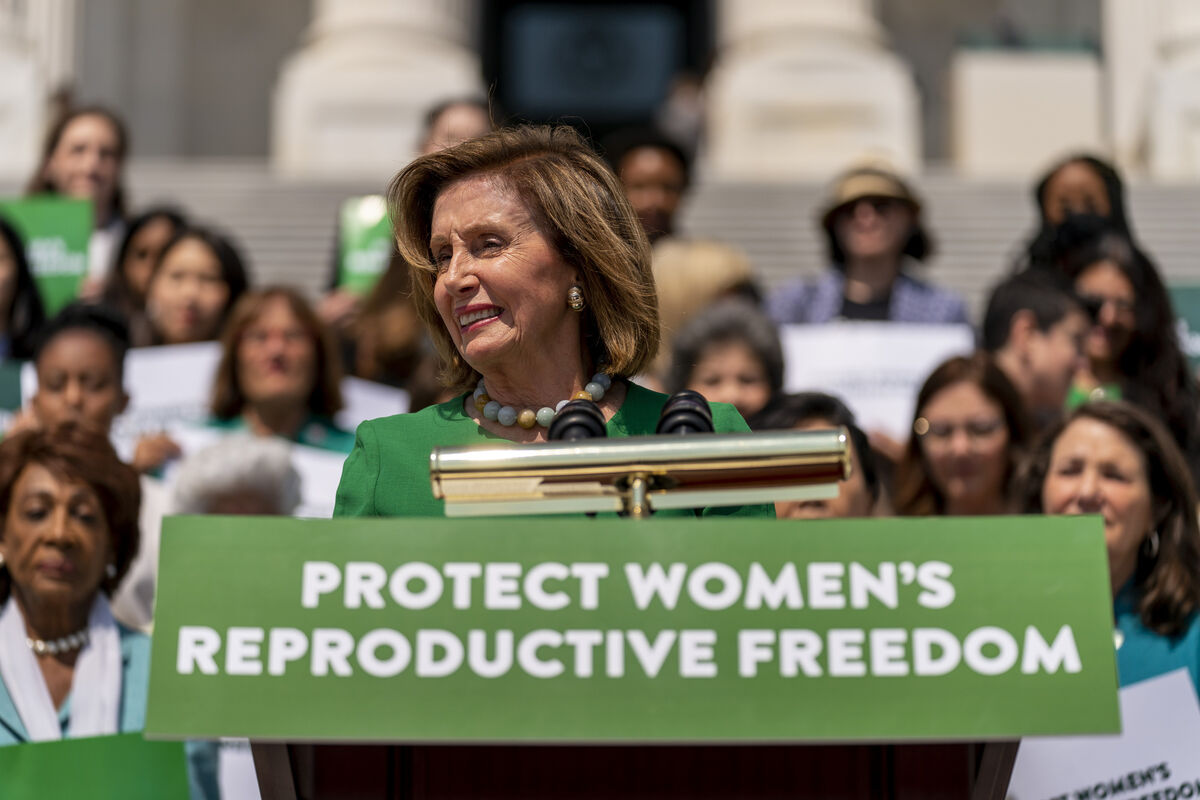
But it is sad after such an amazing career the violence of the attack against her husband and the ongoing threats against herself are significant features in her decision to take a step back. We may not see her like again.

Subscribe to access all of the Irish Examiner.
Try unlimited access from only €1.50 a week
Already a subscriber? Sign in
CONNECT WITH US TODAY
Be the first to know the latest news and updates

More in this section