Michael Moynihan: New year and new beginnings as the bells of Shandon ring in 2023
From the birthday of Sylvester Mahony to a disco contretemps centuries later, there's no end to the antics in Cork on Dec 31
Michael Moynihan: New year and new beginnings as the bells of Shandon ring in 2023

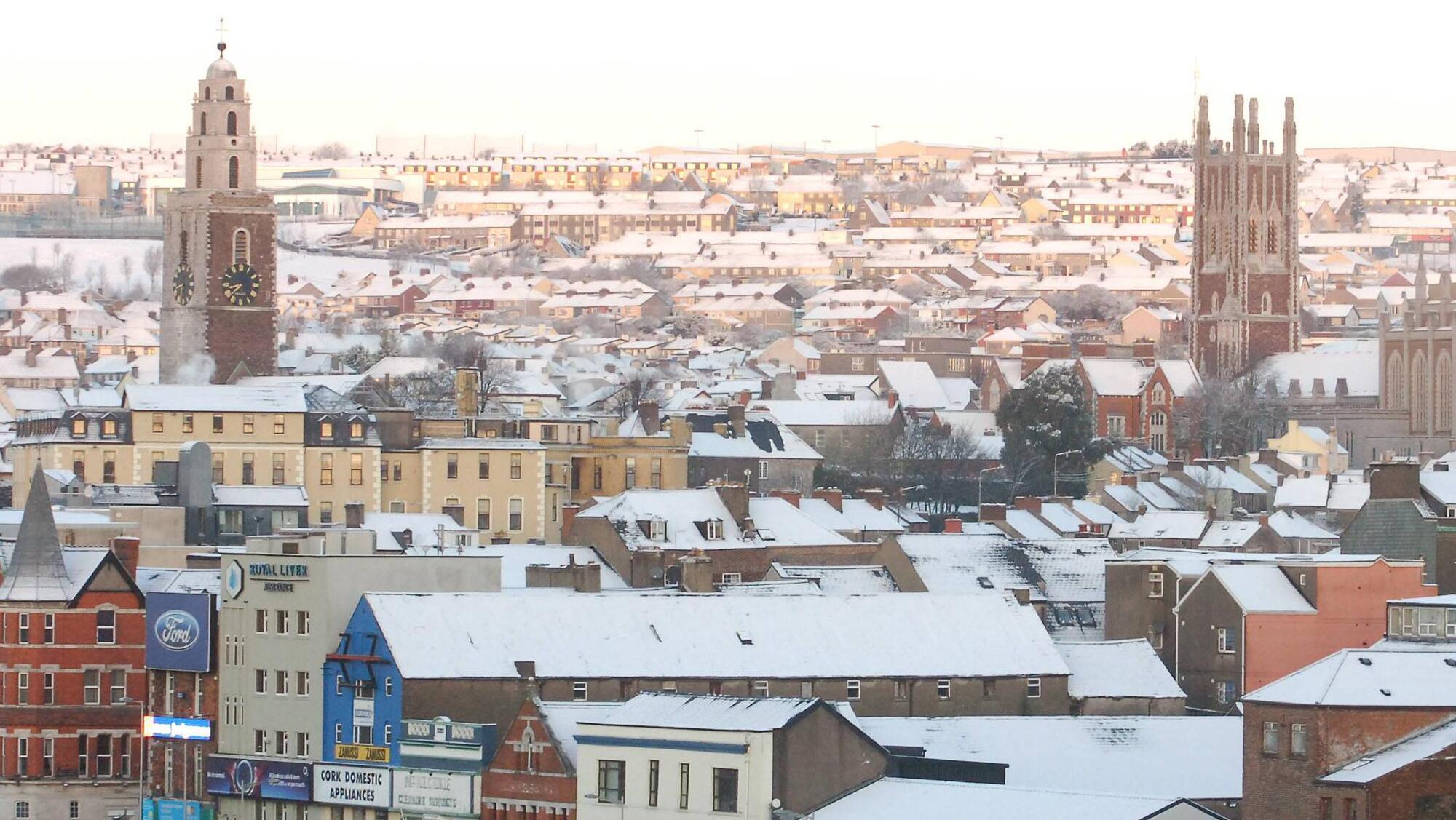
Shandon and the North Cathedral, as they are informally known, prominent on Cork's skyline after a flurry of snow in 2010. The two churches have towered over the city for centuries. Picture: Larry Cummins

New Year’s Eve soon, eh? Another one down. I'm not sure what your own plans are for the night — whether you have a long evening of festivities in store, for instance.
(I can recall a December 31 many years ago when I stepped — heavily — on a woman’s foot in a late-night hostelry; when she reacted angrily her male companion said, ‘It’s New Year’s Eve in a disco, what did you expect?’ Which rather defused the situation all round.)

It’s always been an interesting time of the year in Cork without counting the odd contretemps in the nightclubs of yesteryear.

For instance, on December 30, 1796, there was a fascinating development in the history of the city and the country as a whole. News filtered through from the far west of the county that a French invasion force was poised to take Bantry and was thus poised to launch itself into the country.

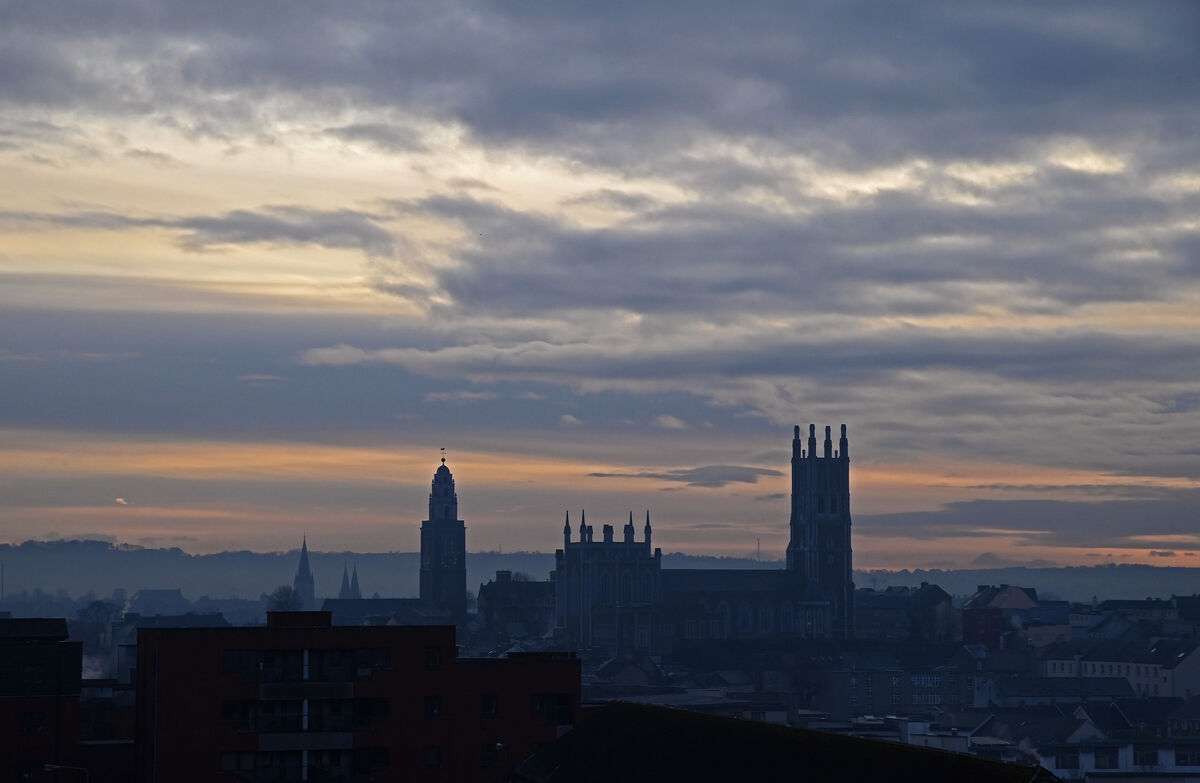
St Anne's, Shandon, and the Cathedral of St Mary & St Anne in Cork's northside. This year, the bells of the latter have rejoined those of the former for the first time in 56 years. Picture: Denis Minihane

The Archbishop of Cork, Bishop Francis Moylan, recognised the gravity of the situation and delivered a homily on this date in which he reminded his flock of “Loyalty to the sovereign and respect for the constituted authorities, have been always the prominent features in the Christian character; and by patriotism and obedience to the established form of government have our ancestors been distinguished at all times...

“To our gracious Sovereign we are bound by the concurring principles of gratitude and duty . . . Under these circumstances, it is obvious what line of conduct you are to adopt if the invaders should make good their landing and attempt to penetrate into our country...

“They will not fail to make specious professions that their only object is to emancipate you from the pretended tyranny under which you groan... Be not deceived by the lure of equalising property which they will hold out to you... for the poor, instead of getting any part of the spoil of the rich, were robbed of their own little pittance.

“Obey the laws that protect you in your persons and properties. Reverence the magistrate entrusted with their execution, and display your readiness to give him every assistance in your power...”

Reverence the magistrates indeed.

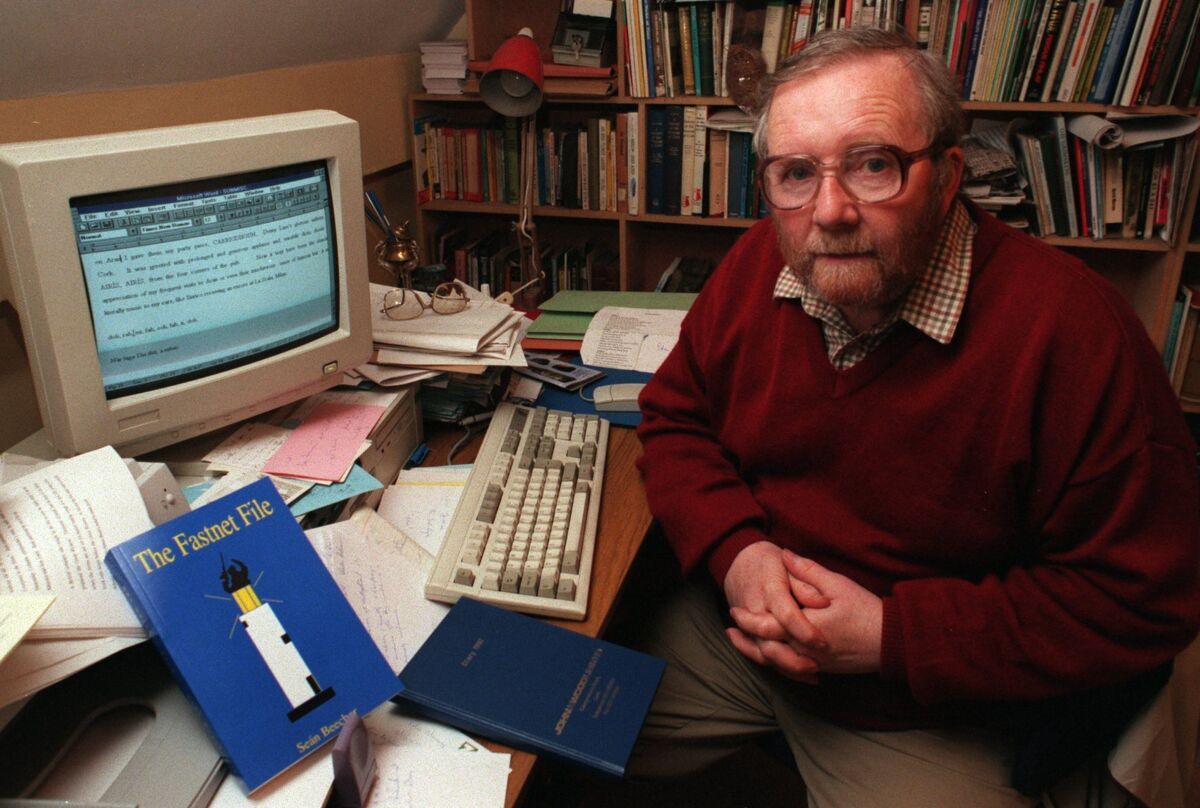
The late, great, Sean Beecher pictured in 1997 with one of his books, 'The Fastnet File'. Picture: Dan Linehan

It’s interesting that Moylan sided so strongly with the establishment, painting a striking picture for his listeners of a godless horde hell-bent on creating an impoverished wilderness rather than an egalitarian society.

But that was the threat incarnated by the French Revolution, which had shocked the continent by overturning the long-held social order. Moylan’s praise for ‘the Sovereign’ may strike us as craven now, to put it mildly but his trumpeting of the social hierarchy is hardly a surprise given his vested interest in maintaining it. It’s no shock either to learn that the Freedom of the City was conferred on Moylan because of his pious exertions.

A different religious figure is associated with the day after tomorrow — New Year’s Eve itself.

Back in 1804 a child was born on December 31 who grew up to be educated for the priesthood in France but fell out with the religious authorities in Cork after the cholera epidemic of 1832 in the city and took off for London.

While there he fell into journalism, working with Charles Dickens and criticising Tom Moore; he didn’t spare Daniel O’Connell either and while he was generally described as ‘irascible’, it seems that the demon drink was an issue as well. 

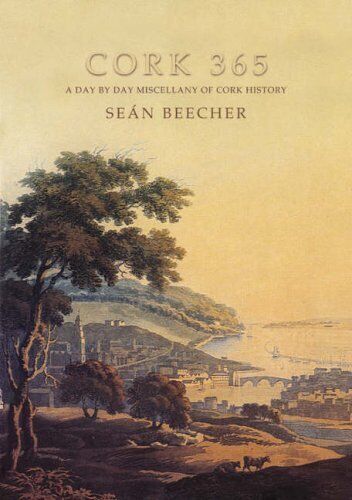
The New Year's Eve notables in this column come from Sean Beecher's excellent 'Cork 365' which is well worth checking out for those and a further 361 gems. 

In engravings made of the literary dinners of the time, Thackeray, Coleridge and Carlyle were each shown with a glass of wine, whereas our man was usually shown with three.

Sylvester Mahony died in Paris in 1866, but his remains were brought back to Cork and buried here.

You probably know him better by his pen name, Fr Prout, and for his classic song, ‘The Bells of Shandon’.

To move away from the ecclesiastical, the city became a city — again, at any rate — a day or two into January all the way back in 1242.

On January 2 of that year King Henry III of England agreed to grant a fresh charter to the city in return for an annual payment of £80. This charter expanded the range of powers and privileges of the citizens significantly, and generally provided for a substantial degree of local autonomy as well as helping with the development of trade.

The principal municipal benefit accruing from the grant of the charter was the right of the city corporate to collect taxes and appoint officers, a degree of autonomy enjoyed by only a few other cities at that time. Don’t all shout at once: the collection and retention of local taxes remain topical even now, nine centuries later. The fact that the very institution of a city relates to its ability to make its own appointments — and to collect its own revenues — should be noted.

The cyclical nature of urban challenges shouldn’t come as a shock, though. Everywhere you look in Cork’s history there are echoes of past problems and foreshadowings of future tribulations.

If you go back to the 1830s, for instance, effective public lighting was one of the great issues of the day, particularly as Cork was not well served by quay walls and other protections against the streams criss-crossing the central island.

In that decade, a London company provided a supply of gas for lights, but after twenty years their charges had become so high that a group of local businessmen decided to come together to offer an alternative supply at a more reasonable cost: once the arrival of the Cork Gas Consumers’ Company.

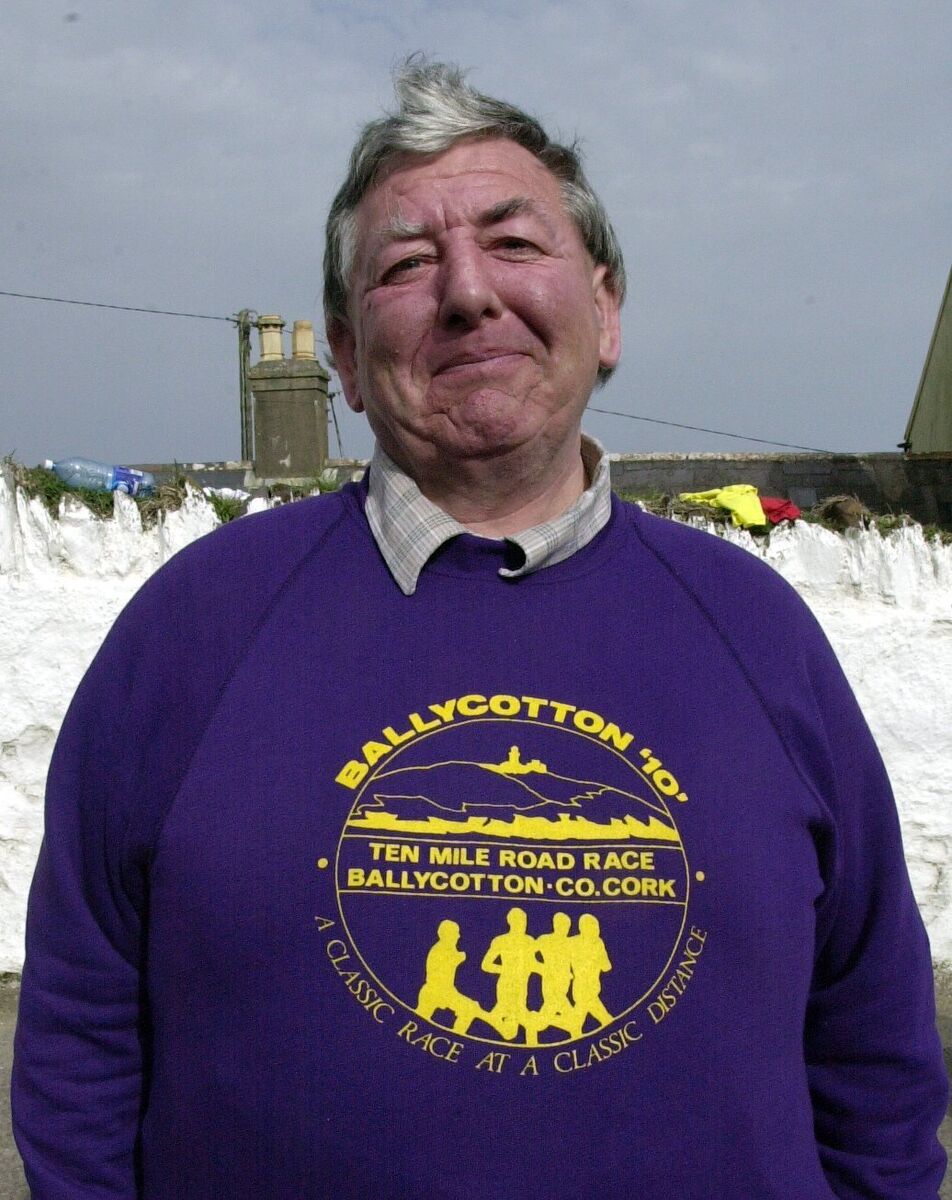
We offer condolences to the family and friends of newsvendor Michael O'Regan who died this week. He is pictured in 2000 supporting the Ballycotton 10K race. Picture: Richard Mills

Cue a price war, with the London-based company announcing that they were prepared to reduce their charges from seven shillings and six pence to two shillings and six pence per thousand feet of gas (the Cork company was preparing to offer a price of four shillings and six pence).

Enter this newspaper, stage right: The Cork Examiner backed the Cork Gas Consumers’ Company and pointed out that if the English company prevailed it would retain its monopoly and raise its price again when it had seen off its competitor.

The public swung behind the Cork company, which switched on 1,100 lights on New Year’s Day, 1858.

Whether we have a price war in power supply or a plea for loyalty to the king from a local bishop, enjoy New Year’s Eve.

These gems — and 361 others — come from Cork 365: A Day-by-day Miscellany of Cork History by the late, great Sean Beecher.

Beecher did his native place great service in his books of local history (I’m prepared to overcome certain tribal imperatives to include his history of St Finbarr’s among them), going all the way back to his Story of Cork — published 50 years ago this year, as good an anniversary to end on as any other on this page.

• Note: At the time of writing, news came through of the passing of Michael O’Regan — condolences to his friends and family. 

More in this section

Revoiced

Newsletter

Sign up to the best reads of the week from irishexaminer.com selected just for you.

Cookie Policy Privacy Policy Brand Safety FAQ Help Contact Us Terms and Conditions

© Examiner Echo Group Limited