Daniel McConnell: Carbon footprint battle could see end-of-term upset in Dáil
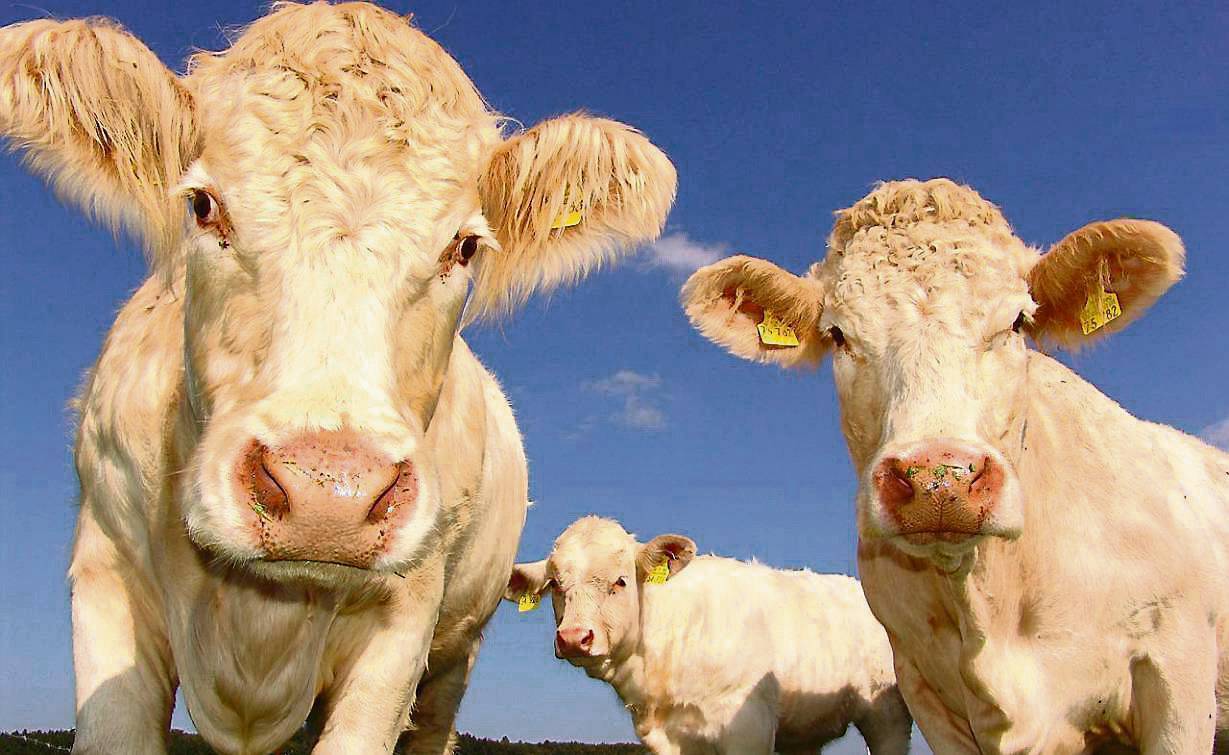
Members of the agriculture industry say that a major culling of the national herd would be required to achieve a 30% reduction in the sector’s carbon footprint. Less cattle means less money and that’s a no no.
THE Government may be breathing a sigh of relief having seen off the Sinn Féin motion of no confidence and it is now free from Dáil scrutiny for the next eight weeks.
This does not in any way mean the coalition Government is free of troubles — anything but.
It is fair to say that tensions are running high among backbench TDs in Fine Gael and Fianna Fáil over repeated Green Party demands regarding life in rural Ireland.
While we headed into this week expecting another row over the right to sell turf, it is another climate-related issue that is causing fresh angst within the coalition parties.
This issue has the real potential to place already strained inter-party relations under even further pressure.
Despite committing to having an agreement on the reduction of carbon emissions before the summer recess, the matter remains log jammed with the parties in Government at odds.
As one senior Government source said on Friday, the failure to agree these targets points to how tricky and divisive the discussions have been.
These carbon budgets — or sectoral emissions ceilings, to give them their ultra-boring formal title — will set a limit on emissions from different sectors in society until 2030.
The official line is that these are being discussed within Government departments, with Eamon Ryan, the Green Party leader and environment minister, looking to put forward a plan for approval in the coming weeks following talks with Charlie McConalogue, the agriculture minister.
With most attention being directed towards what happens in agriculture, the truth is far more like that the Greens are looking for 30% reduction, while Fine Gael and Fianna Fáil are not willing to go beyond 22% at this stage.
Farming lobby
Behind the scenes, farming lobby groups such as the Irish Farmers’ Association (IFA) have been busy seeking support for as low a reduction as possible, with some TDs saying the group is seeking an 18% decrease.
The IFA’s sway among politicians, especially rural politicians, is strong and backbench Fianna Fáil and Fine Gael TDs are already more than fed up with having to back and support the Green agenda.
Just look at the visceral disdain shown by Fine Gael TDs in particular to Ryan when he addressed them recently on the turf issue.
Fianna Fáil’s Jackie Cahill, who is chairman of the Oireachtas agriculture committee, has said the carbon-reduction target must not exceed the minimum 22% figure.
Cahill said he has made his demands known to the Taoiseach.
Fine Gael’s Carlow-Kilkenny TD John Paul Phelan said an agriculture target closer to 22% was the expectation among rural Fine Gael TDs.
His party leader, Tánaiste Leo Varadkar, said he envisaged a “lesser” target for the sector “because it is special” and “we are treating it differently because it involves food production and the rural economy”.
The bottom line is that this all comes down to money.
They say to achieve a 30% reduction in the agri sector’s carbon footprint, you are talking about a major culling of the national herd.
Fewer cattle means less money and that’s a no no.
Micheál Martin has conceded that it would be “very challenging” for these targets to be achieved.
With no Cabinet this week because the Taoiseach is in Japan, the likely crunch point for this row is the final Cabinet meeting of the term on July 27.
The bottom line is that while Martin and Varadkar may see the overall benefit of Ryan’s argument, neither of them is strong enough in their own party to face down the inevitable rebellion should they decide to go for 30%.
For Fine Gael and Fianna Fáil, the climate agenda opens them up to attack from rural Independent TDs, who have been rabid in their opposition of these measures to bring Ireland into line with international norms.
Week in, week out, they cry the mantra of the Government led by the Greens is seeking to destroy life in rural Ireland.
This week was a case in point when Kerry TD Michael Healy-Rae honed in on these carbon emission reductions as the latest assault on his people.
He said going any higher than 22% was likely to have a devastating economic and social impact on rural Ireland.
There is no pathway to a 30% emissions reduction that does not result in a significant reduction in cattle numbers at the level of individual farms, he thundered in the Dáil.
Almost quoting the IFA verbatim, Healy-Rae said there must be a balance between economic, social, and environmental sustainability.
This is most important because we must ensure we protect our family farms and also ensure that whatever happens, there will not be a reduction in our cattle numbers because that would be devastating to the industry, he said.
Ryan and his Green Party said all sectors must accept the higher level of ceilings on carbon emissions, despite indications of unrest among rural backbenchers in Fianna Fáil and Fine Gael due to the implications for agriculture.
Every sector “has to go to the max of its ambition” because that was the only way demanding Irish targets up to 2030, which are set in law, would be met and that Ireland would meet commitments made at EU level, he said.
Another climbdown
Having hitched his peg to the 30% target, Ryan faces into yet another embarrassing climbdown unless he is willing to go nuclear and threaten to pull out of Government on this point of principle.
On one level, having been seen to cave in on turf, a second climbdown on emissions would be embarrassing for Ryan.
On another level, Ryan may lose the battle but win the war by locking the two old parties into a long-term trajectory that they will not be able to back out of down the line.
It may be overly simplistic to say if the final target goes beyond 22% it represents a defeat for McConalogue and anything less than 30% is a defeat for Ryan.
However, the stakes are incredibly high on this one and practical politics may win the day here.
By that I mean, successive opinion polls continue to show Sinn Féin, a party weak on climate and agriculture, romping home in first place, while Fine Gael and Fianna Fáil are losing support across all demographics.
Already on the back foot in Donegal and other parts of the northwest because of the mica issue, the emissions issue could spell the end to their hopes of being re-elected for up to a dozen Government TDs.
Given the final Cabinet meeting of the summer term last year threw up the Katherine Zappone affair, there is a degree of nervousness within Cabinet that the emissions issue could be this year’s banana skin.
Having painted it as an either/or choice, there will a winner and a loser, and Fine Gael and Fianna Fáil are in no mood to bend the knee to their coalition partners.
In fact, they would be more than happy to give Ryan and co a good kicking.
CLIMATE & SUSTAINABILITY HUB
CONNECT WITH US TODAY
Be the first to know the latest news and updates