Michael Moynihan: Cork city is now on the menu and  Idaho had a seat at the table of change
Now people come into the city  for the whole day to see the Rembrandt exhibition in the Crawford, have some lunch, then do the shopping
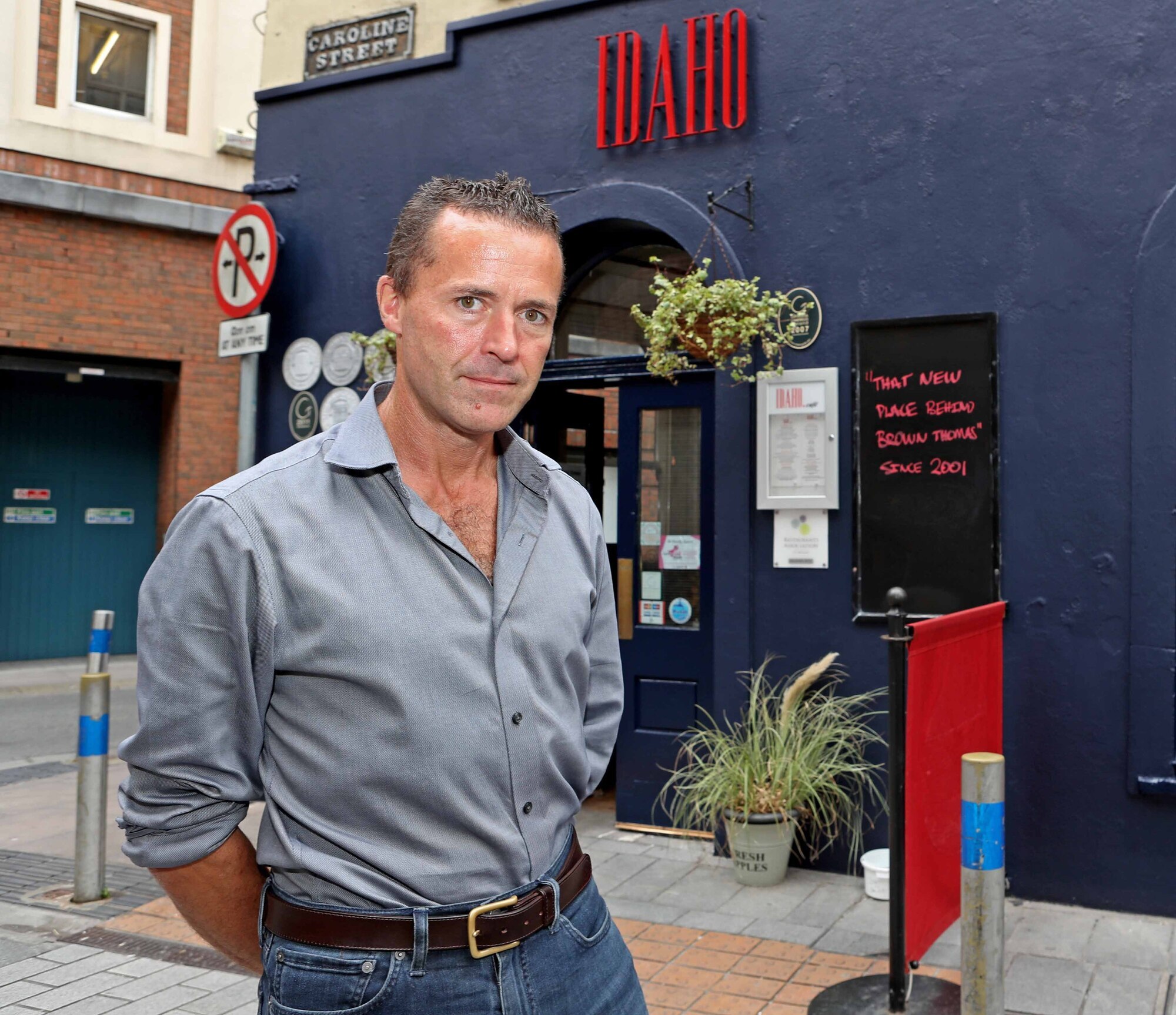
Richard and Mairéad Jacob may have called it a day with Idaho Cafe, Caroline Street, Cork but in their 20-plus years in business, they have seen a city transformed, more or less. Picture: Jim Coughlan

Richard and Mairéad Jacob may have called it a day with Idaho Cafe, Caroline Street, Cork but in their 20-plus years in business, they have seen a city transformed, more or less. Picture: Jim Coughlan

Twenty years in the city all came down to half an hour.
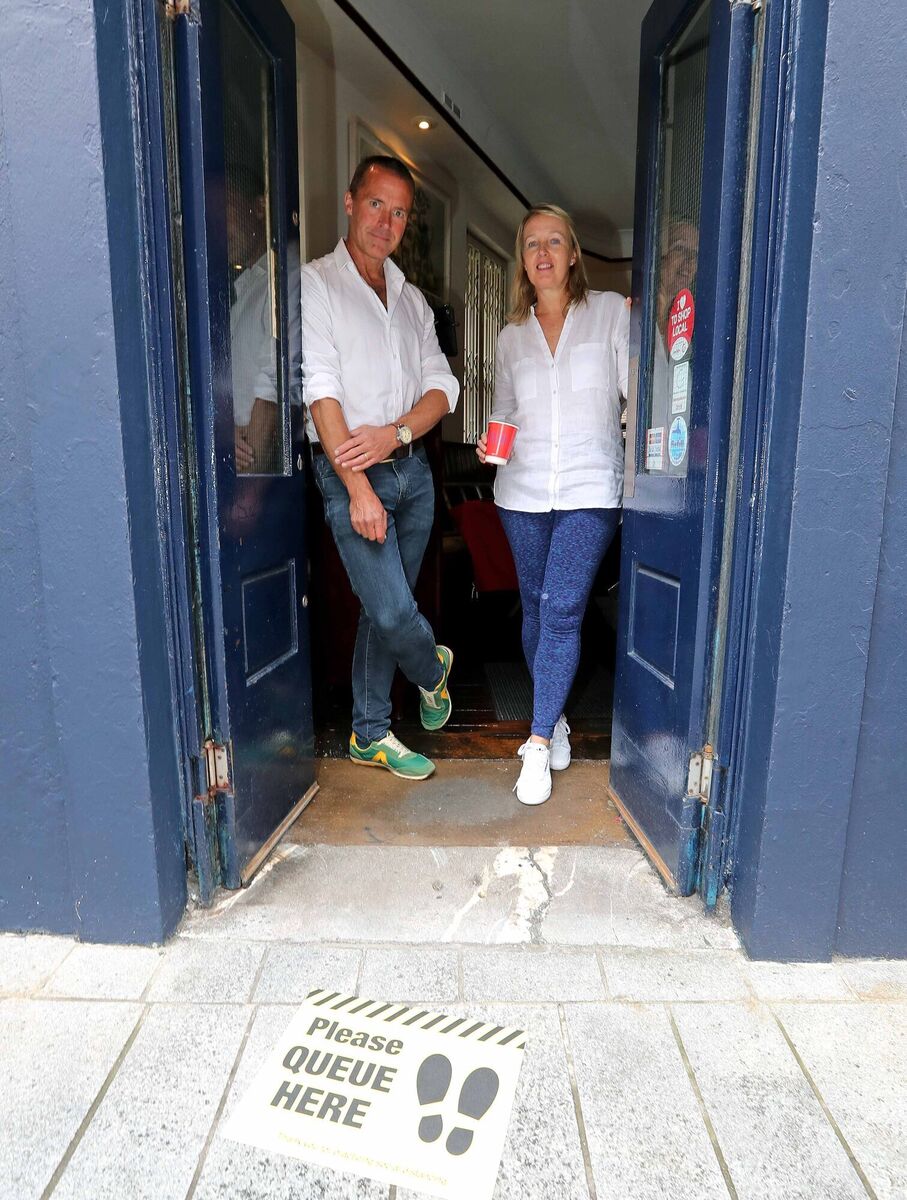
Richard and Mairéad Jacob’s announcement that they were be shutting their Idaho Cafe in Caroline Street surprised people all over Cork. For the pair themselves, the transition became real with a gift.

“The very last day was difficult,” says Richard.

“We’d been thinking of it for a while, about getting out while we were still enjoying it, but we got so caught up in the mechanics of handing it on that we didn’t consider the emotion of it.

“The last half hour we were there, though, two friends came in with a present. And they gave us a hug, and it was real: ‘That’s it. It’s over’.”

Their little haven in the city has been taken over by Dermot O’Sullivan and renamed as Greenwich, but two decades at the counter give some perspective. Jacob can trace society’s peaks and troughs in people’s attitude to their morning coffee.

“When we started 20 years ago, there was nobody around at half eight in the morning,” he says.

“We’d open, that was it, but around 2005 or so we noticed people were getting very Celtic Tiger — into us early for breakfast, coffee for work.

“Twenty years ago nobody bought coffee to go, either. At the start, we bought one sleeve of takeaway cups and it lasted us for months. Nobody took a coffee away because they all sat down. And they sat down because they had the time until around 2005 or so, as I say.

“In the last two years for obvious reasons, it’s gone back to shops opening at ten o’clock and nobody coming into town until half nine.”

The city itself has changed in that time, too. Much of that is a result of people being able to walk around Cork properly, he says.

“At the start, you could park outside Idaho. There was a loading bay but it was one of those without a 15-minute-only sign, the council took no notice of it, and people parked for free there all day, along with all sorts of traffic going up and down Caroline Street.

“When we opened the doors we had to be careful because they opened out and could hit a truck parked right outside. But that was normal.

“Then, around three years in the council decided to pedestrianise the area, Beth Gali was to do Patrick Street, the main drainage was being done... we had two years of hell but when it finished it was as if a light had come on.

“People began to walk around town, and even though at 5pm when the (traffic) barriers came down it was bedlam again, attitudes changed in terms of how people saw the city.

“The same has happened with the pedestrianisation during the pandemic. People with families, walking dogs, strolling with their bikes — they can all use the pedestrianised streets and they don’t have to look over their shoulders for traffic. The days of the guards rolling around in a squad car to keep an eye on things are gone because they’re all using bikes around town themselves.

“Everything just slowed down. There was a report suggesting that if you widen the pavement you slow down the pedestrians, and that really worked. And because that worked, I think people have looked at Cork in a different way.”

That’s expressed in different ways, he adds: “There’s more general awareness of the environment because of climate change, but there’s also more specific awareness of Cork because people use it differently. They walk around it more.

“Take the Morrison’s Island plan — there were 1,400 people who wrote in with opinions on it. Some wanted car parking spaces, some wanted bike lanes, but 1,400 people taking the time to submit their ideas on the city? That wouldn’t have happened 20 years ago, I think.

“When we opened, people would drive into town, park on Caroline Street and run into Roches to get a three-pin plug — and go home.

“That kind of accessibility was unique, but it’s different now. People come in for the whole day: ‘I’ll come into the Rembrandt exhibition in the Crawford, have some lunch, then do the shopping’.”

 Richard and Mairéad Jacob, Idaho Café. 
Richard and Mairéad Jacob, Idaho Café. 

Jacob’s point is an interesting one. Encouraging people to dawdle in town does give them a different sense of their surroundings — and an appreciation of those surroundings.

“If you’re coming to town to grab a plug and head home straight away afterward then it doesn’t really matter what the city looks like. But if you’re spending the day here then you start thinking about the place.

“Instead of just walking past those grey electric boxes, you notice those great paintings by Reimagine Cork, for instance.

“Social media, for all its faults, is a big part of it too. The Save the Bride Otters is a good example — it’s more or less totally on social media and they’ve been successful in the High Court in terms of protecting the Bride.

“That gives people a voice, compared to the old days when people wouldn’t bother going to the council meeting on a Monday night to hear what was being discussed.”

Well, he mentioned City Hall. Easy target or root of all evil?

“I think the attitude in City Hall has changed. When they first pedestrianised the street outside Idaho we said we could put out tables and chairs, City Hall said we couldn’t . . .

“I was two years ringing them every Monday morning to ask about it and eventually we got permission — to shut me up, I suspect — but I think now there’s a different crowd in there with a different outlook.

“For instance, three weeks into the pandemic I texted City Hall’s business liaison person at 9pm on a Friday night. She texted back at 9.30pm that night and asked me to get the businesses on the street together to make a submission on what we were looking for.”

An engineer was tasked to discuss their submission and based on his previous experience Jacob wasn’t looking forward to the visit. “But this young guy came in and said, ‘you’re pushing an open door, what are you looking for and how can we make it happen?’ It was really positive.”

Not all the changes have been as beneficial. Take the suspended coffee system — where people could pay for a coffee that someone who couldn’t afford one would collect later — which didn’t last too long.

“We were doing it, but after a couple of months the guards visited and said there were people coming in for suspended coffees who had criminal records for violent crimes — that it wasn’t a good idea to have them in the cafe when customers were on their own.

“There’s a lot more homelessness than there used to be. And there’s a lot of dereliction in the city. Frank O’Connor and Jude Sherry have brought that to people’s attention, and once you begin to notice it you can’t stop noticing it.”

True enough. But when Jacob says Cork is now a destination, he’s right. And Idaho was part of what made it a destination.

More in this section

Revoiced

Newsletter

Had a busy week? Sign up for some of the best reads from the week gone by. Selected just for you.

Cookie Policy Privacy Policy Brand Safety FAQ Help Contact Us Terms and Conditions

© Examiner Echo Group Limited






