Maeve Higgins: US asylum system is as violent as any whips
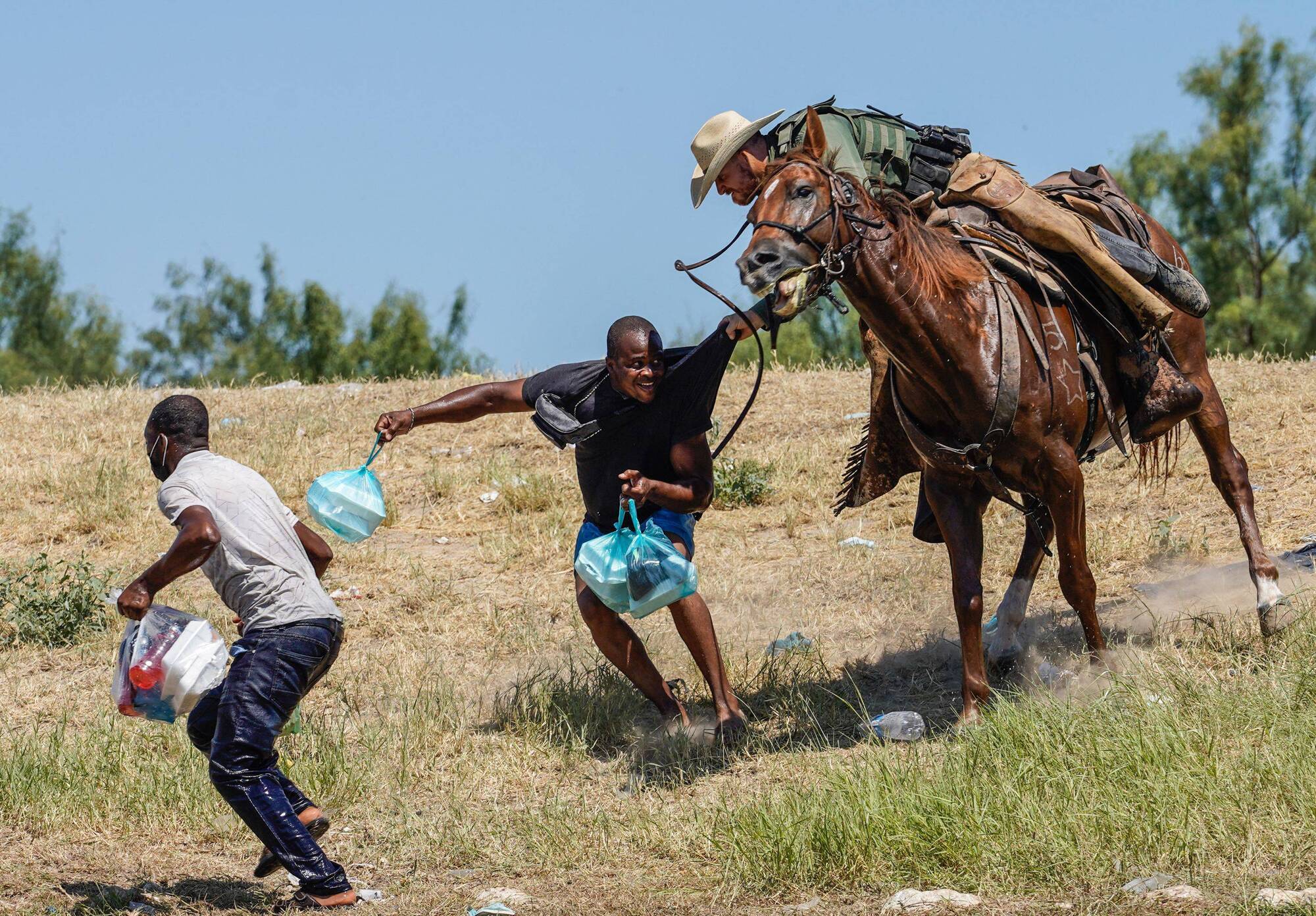
A United States Border Patrol agent on horseback tries to stop a Haitian migrant from entering an encampment on the banks of the Rio Grande near the Acuna Del Rio International Bridge in Del Rio, Texas on September 19, 2021. Picture: Paul Ratje/AFP via Getty Images

Terribly, the clarification was needed at the top of its story about border patrol agents charging at migrants on September 19, screaming at them from their perches on horseback as the migrants tried to cross a river. The migrants, mainly Haitians, were attempting to get back to their camp under the international bridge in Del Rio after buying food in Ciudad Acuña, Mexico.
They were part of a group that, at that time, was made up of over 10,000 people waiting to cross into the US. Once across the border they would, most likely, attempt to claim asylum here. The photos of the US Border Patrol attacking terrified migrants shot around the world in a way few images do these days, saturated as we are with evidence of human suffering across the media.
The photos broke through the noise because they were so shocking; the men representing the American government, in uniforms and on horseback rounding up black people. And the photos are horrific, invoking the country’s ugly past and the legacy of racial violence against black people.
Aside from the past, though, something else the photo embodies is the brutal present day-activities of the US immigration system, with the anti-black mentality and violence that is not usually visible, now on full display.
The condemnations came thick and fast from US government officials, all the way up to President Biden himself, who said at a press conference at The White House:
The Department of Homeland Security is conducting an internal investigation and the agents photographed have been placed on administrative leave while that happens.
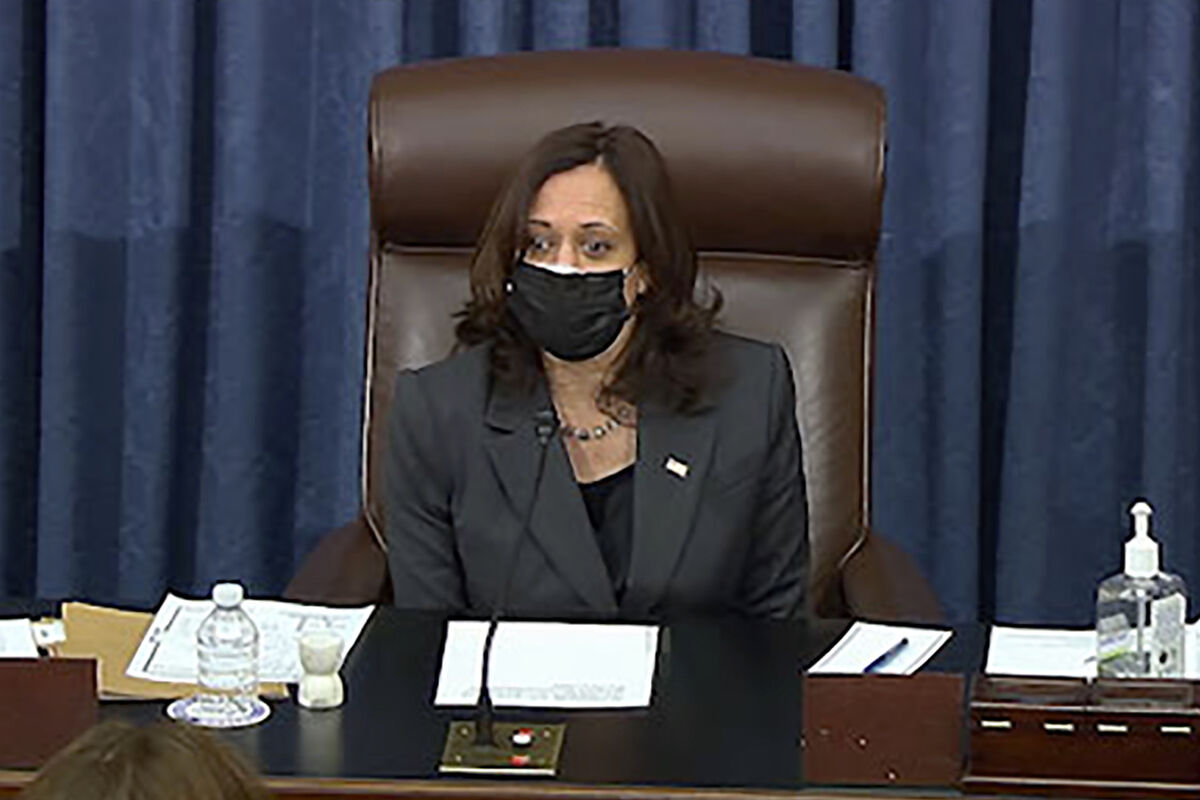
Vice-President Kamala Harris spoke about the images in an interview with ABC’s The View last week, echoing comparisons many others made between the way border patrol agents treated the migrants and the abuse doled out by government goons at various other disgusting times throughout the nation’s past.
“As we all know, it evoked images of some of the worst moments of our history where that kind of behaviour has been used against the indigenous people of our country, has been used against African Americans during times of slavery,” Harris said.
Strangely, the outrage was focused on the photographs, the specific images they contained. This image, this reality, was only possible because of a chain of events and a long line of decisions made by people sitting in their very offices, but that went unmentioned.
That must have slipped their mind, although if anything, publicly and loudly decrying a photograph of a border patrol agent on a horse makes sidestepping the bigger issue even easier.
At an enormous cost to the US taxpayer, the detention and deportation of immigrants is big business. In the past 20 years, the border security industry has grown consistently, turbo-charged under Democrats and Republicans alike.
US Customs and Border Protection, as an agency, has problems that run deep. It seems it has been this way since its inception. The immigration scholar Professor Mae Ngaiwrites writes about the formation of border patrol in 1924, when Congress first approved funding for the agency following the Immigration Acts of 1921 and 1924.
Those acts imposed numerical limitations on migrants, and the US Border Patrol was officially established for the purpose of securing the borders between inspection stations and preventing people from entering “illegally”.
She writes that the earliest ranks were made up of “former cowboys, skilled workers and small ranchers” — many had military experience and “not a few were associated with the Ku Klux Klan”.
They did not have uniforms until 1928, and “a lack of professionalism plagued the force”.
Reporting on PBS found that among CBP’s most successful recruiting partners is the Professional Bull Riders (PBR) organisation, which recently renewed its contract with the government to promote US Border Patrol to its fans. “We have an exceptional base for them to recruit from,” said Sean Gleason, the organisation’s CEO.
It’s all too easy to tie those “cowboy values” back to those photos of agents on horseback, using their reins as whips.
“I will not be associated with the United States inhumane, counterproductive decision to deport thousands of Haitian refugees and illegal immigrants to Haiti, a country where American officials are confined to secure compounds because of the danger posed by armed gangs to daily life,” he wrote.
“Our policy approach to Haiti remains deeply flawed, and my policy recommendations have been ignored and dismissed, when not edited to project a narrative different from my own.”
The State Department pushed back, saying Foote mischaracterised the circumstances of his resignation, but the accusations ring true.
Sending Haitians back without giving them the chance to apply for asylum is allowed under ‘Title 42’, a policy dreamed up by the Trump administration that uses the pandemic as an excuse to restrict immigration.
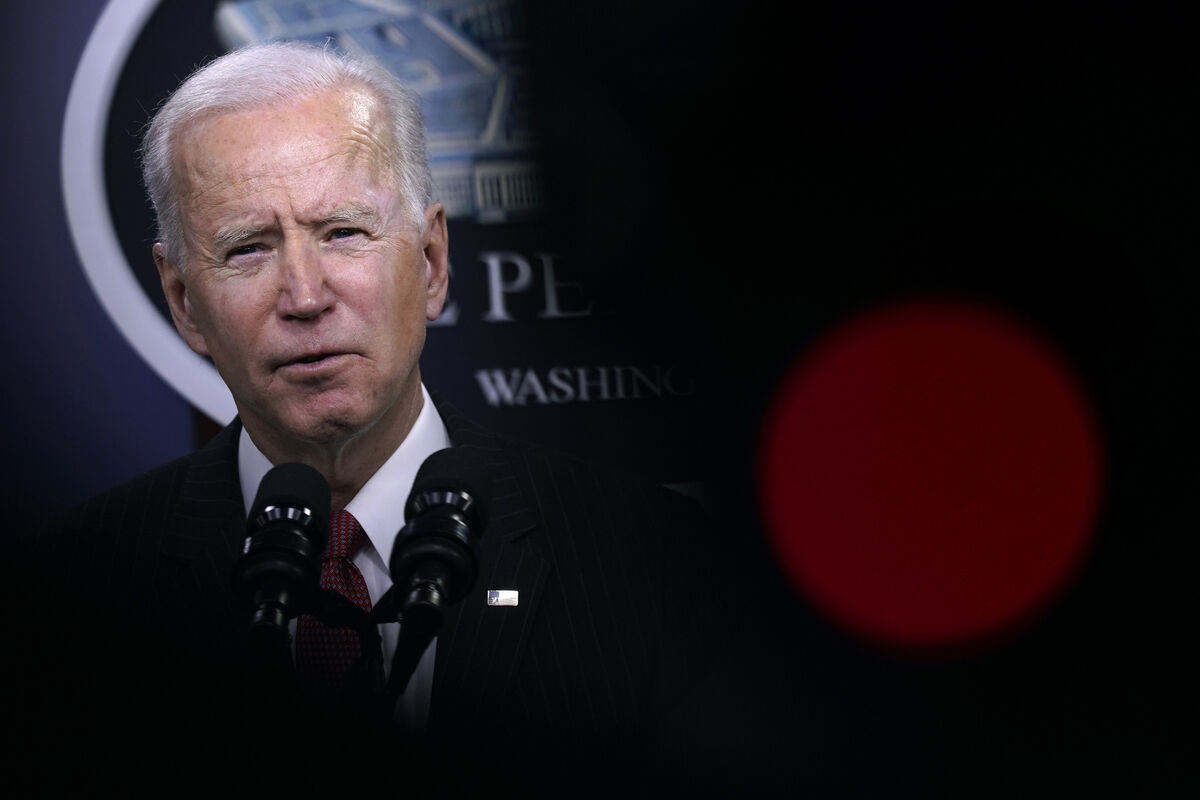
The Biden administration has cleaved to the same policy, using it to justify the Haitians’ deportation. The migrants the US sends back to Haiti are returning to a dangerous place, and this directly violates the principle of non-refoulement under international human rights law.
Non-refoulement prohibits States from removing individuals from their jurisdiction if there are substantial grounds for believing the person would be at risk of irreparable harm upon return.
Department of Homeland Security Secretary Alejandro Mayorkas said the US has now allowed about 12,400 migrants to enter the country, to make claims before an immigration judge to stay under the asylum laws or for some other legal reason. Statistically, most people will not be granted asylum and will be removed from the country. Last year, 73.7% of immigration judge decisions denied asylum.
Those photos of border patrol agents chasing migrants into the river are painful and shocking. Less conspicuous, but just as violent and inhumane, is the asylum system faced by those seeking safety in this country.

CONNECT WITH US TODAY



Be the first to know the latest news and updates