Daniel McConnell: Spending splurge will have to be paid for

As a nation we have “been living on Skittles”, as one leading economist describes it, but we have to realise no party lasts forever, writes Daniel McConnell
Daniel McConnell: Spending splurge will have to be paid for

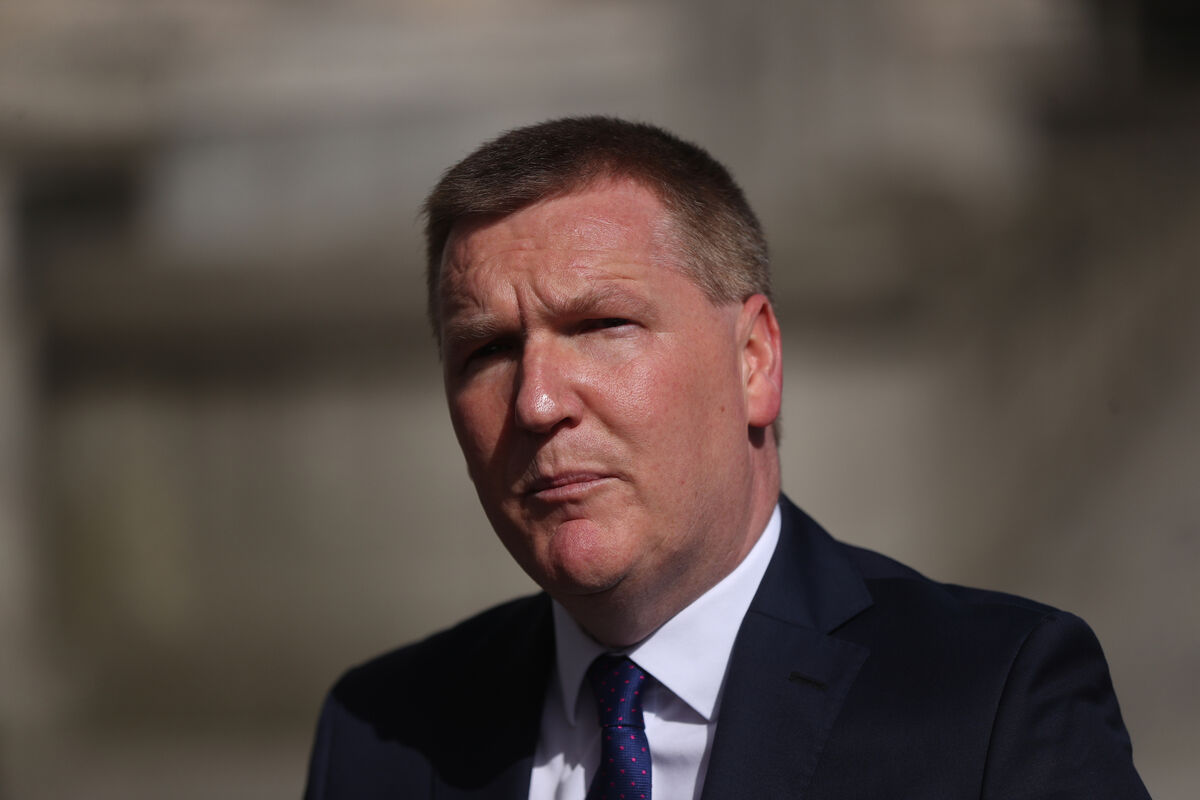
Paschal Donohoe (pictured) and Michael McGrath are serious individuals in their own right and are a formidable team within government but there is no other conclusion to reach but that the strategy they have embarked upon is highly risky and far beyond the realm of economic prudence. Photograph: Leah Farrell / RollingNews.ie

Anyone who has small children knows the dread of a sugar rush after a birthday party. The moment you hand over the goodies, it is all sweetness and light but the madness is not far behind.

The chaos of the sweet-induced rampage is quickly followed by the crash, which is always spectacularly horrific for us parents. Well, it is at least in our house. The middle child in particular.

In stark contrast to the approach taken by the Irish government 12 years ago when the economy hit the skids, since the arrival of the Coronavirus here in Ireland, rather than adopt a policy of austerity, we have been on a spending splurge never previously seen.

With about €31bn in emergency Covid-19 goodies having already been or about to be handed out, we as a nation have “been living on Skittles” as one leading economist put it to me this week.

It now seems that Ministers Paschal Donohoe and Michael McGrath, rather than trying to reign in the sugar rush, have committed to keeping the party going for at least the next four years.

Public spending takes off like a rocket

Publication of the Government’s Summer Economic Statement (SES) this week revealed the mind-boggling level of supports we as a country have been fed since the beginning of the pandemic 16 months ago as well as the shocking impact it has had on our national debt position.

But what is also clear is that in April, in its update to Europe, the Government at that stage promised to balance the books by the end of its term in office.

That promise is as redundant now as an e-voting machine.

Perhaps influenced by the Dublin Bay South by-election, instead, Donohoe and McGrath intend to keep the party going, and have thrown off in a pretty dramatic fashion any pretense of monetary prudence.

So between now and 2025 when the government is supposed to come to its natural end, instead of closing the gap between taxes and spending, the stated government position is to run a series of much larger budget deficits than previously envisaged.

We now expect a budget deficit of at least €7.4bn in 2025 compared to the modest deficit of €800 million forecast in April. According to its new numbers, the Government now also plans to borrow an additional €18.8bn compared to what it envisaged three short months ago.

“This is around €6.5 billion more than envisaged in the SPU and reflects the Government’s commitment to resourcing capital investment and to meet the goals of our National Development Plan [NDP] review,” the SES said.

Paschal Donohoe and Michael McGrath (pictured) have both insisted much of the government's emergency Covid spending will naturally fall away.

By 2025, current and capital spending will be running at €93.2bn, which according to this week’s book of fantasy, is €5.9 billion more than the €87.4 billion set out in the European update three months ago.

This is in comparison to the €55 billion in total current and capital spending a decade ago. By any standard, public spending has taken off like a rocket.

Some of this was expected.

We have an aging population so we require more hospital beds, more carers, more nursing home beds, and the like.

We have to spend more to meet our climate obligations and we have committed to spending a huge amount more to once-and-for-all arrive at a health service that functions somewhat normally.

Added to that now, is a supercharging of the housing budget to address the national emergency, first declared let us not forget in 2014.

All of this additional spending needs to be paid for and when you have a shortfall between what you raise in taxes and what you are spending, you need to borrow.

Ireland's national debt

We Irish have become very good at borrowing money. And what is interesting is that contained within the SES this week is the realisation of increasing the country’s anticipated economic growth rate, officials have said growth this year will be 8.75% compared to its previous forecast of 4.5%, largely driven by the multi-nationals and exports.

But it is not an even recovery. The domestic economy looks far less rosy with distinct sluggishness evident in many areas still struggling because of Covid-19 restrictions. The increased forecasts in growth has allowed the officials in the Department of Finance to raise their spending ceilings and remain nominally within the EU budgetary rules.

However, whatever the justification of this policy, there are consequences, most notably when it comes to our national debt.

Already an international outlier, within the next four years our debt mountain will shoot up from €218 billion to a staggering €280 billion, among the highest in the world.

The Department of Finance estimates that such debt level equates to about €45,000 for every person in Ireland. Remember when we freaked out after the bank bailout when that figure was about €20,000 per person.

Of some real concern to many is that rather than seeking to close that gap and reducing the national debt, the official Government policy now is to add to that debt pile in the medium and long term.

The SES did set out that the €14.8bn in emergency Covid spending this year will be slashed to around €8bn next year, reducing down to €1bn the year after. This is the money spent on the extraordinary wage and business supports put in place by government to avoid widespread economic chaos last year.

Now, McGrath and Donohoe have insisted much of this will naturally fall away but not everyone shares that view and already the Opposition are seeking to maintain as much of the supports as possible, without of course daring to say how they would pay for it.

Both ministers are serious individuals in their own right and are a formidable team within government but there is no other conclusion to reach but that the strategy they have embarked upon is highly risky and far beyond the realm of economic prudence.

It is hard to avoid the conclusion that this will all end in tears.

While dolling out the Skittles may seem a good idea in the beginning, it rarely ends well and it is never fun when the child ends up throwing up.

No party ever lasts forever.

x

More in this section

Revoiced

Newsletter

Sign up to the best reads of the week from irishexaminer.com selected just for you.

Cookie Policy Privacy Policy Brand Safety FAQ Help Contact Us Terms and Conditions

© Examiner Echo Group Limited