Daniel McConnell: Garret FitzGerald’s positive impact is one worth recalling
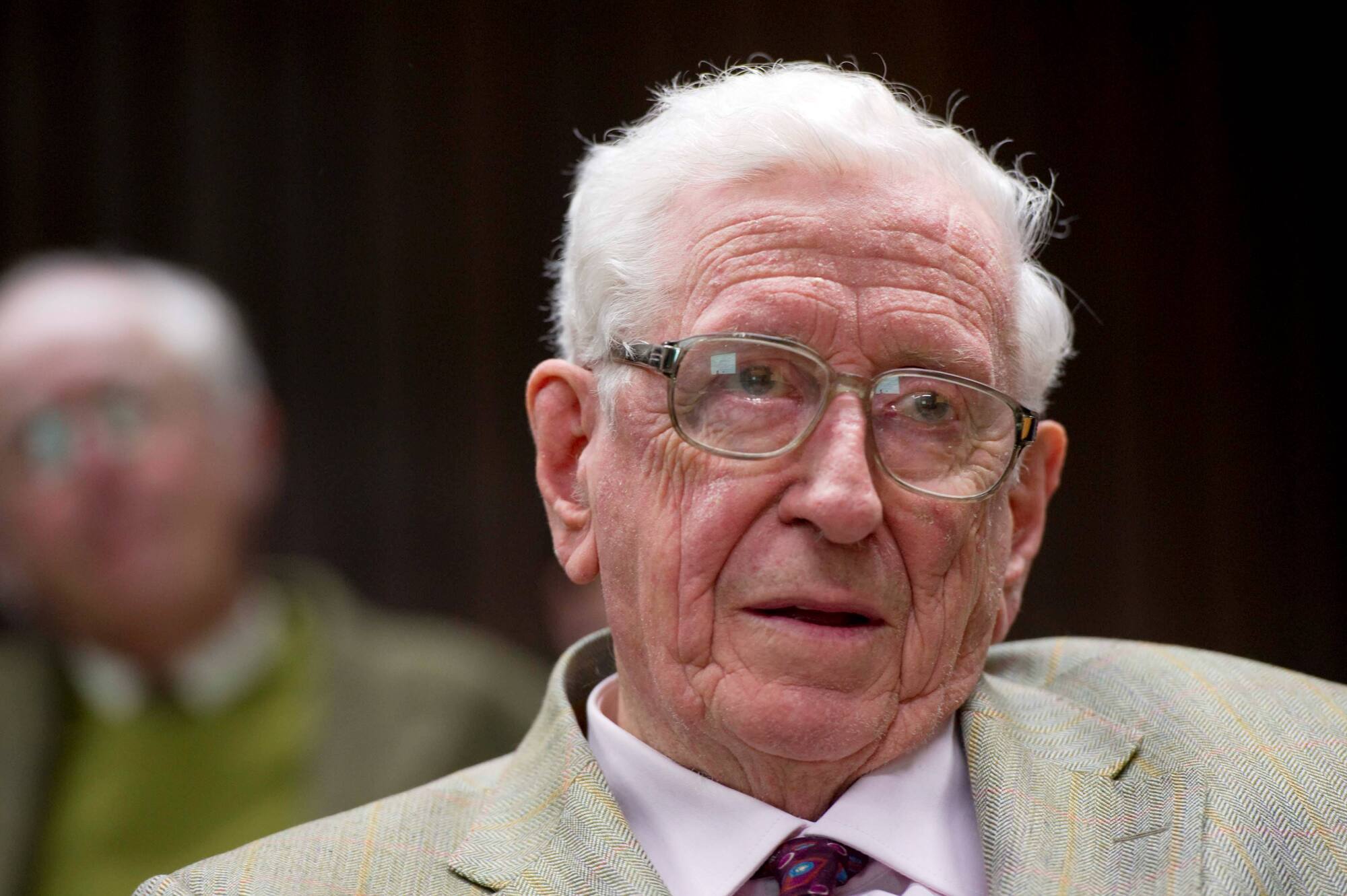
Dr Garret FitzGerald: With the benefit of time, in the 10 years since his death in June 2011, the true extent of his successes have come to light. Picture: Provision

It has been said that Garret FitzGerald was the best thing and the worst thing to ever happen to Fine Gael.
The best in that he revolutionised the second party in Irish politics from a part-time ramshackle organisation to one that achieved near electoral parity with Fianna Fáil.
By doing so he offered a genuine alternative to the party which had held the levers of power almost uninterrupted for the previous 50 years.
It was said he was the worst in that he sought to portray Fine Gael, a deeply conservative party, as a bastion of liberalism and progressiveness. By the time he stepped down as party leader in 1987, he left Fine Gael with a major identity crisis and badly divided, a split that would last for almost 20 years.
However, with the benefit of time, in the 10 years since his death in June 2011, the true extent of FitzGerald’s successes have come to light.
Following decades of deep conservatism at the top echelons of Irish life, FitzGerald embarked on a bold odyssey to modernise and liberalise not only his own party but the country at large.
The son of Desmond FitzGerald, the first foreign minister of the Irish Free State, and Mabel McConnell, a northern Presbyterian born in Belfast, Garrett’s own vision for Ireland was deeply influenced by this mix of traditions.
He said many times before his death that his parents’ traditions gave him a strong sense of seeking a more inclusive Ireland, one espoused by Wolfe Tone. This would shape not only his social agenda but his vision for how to solve the conflict in Northern Ireland.
Before joining Fine Gael, FitzGerald had voted for Seán Lemass, who had impressed him with his modernisation agenda.
Given his pedigree, Lemass tried to persuade FitzGerald into Fianna Fáil in light of his work at Aer Lingus, but the economics lecturer and journalist was put off by the party’s narrow nationalist ideology.
Having also flirted with the idea of joining Labour, he ultimately joined Fine Gael, with some saying it was out of loyalty to his father.
A stint in the Seanad gave way to his entry into the Dáil and he was quickly on the frontbench of his party.
On taking the leadership of Fine Gael, after the disastrous 1977 election which marked the departure of Liam Cosgrove, FitzGerald set about turning his party into a professional operation, to some internal disquiet.
His desire to move the party to the left was not also immediately obvious.
“He is instinctively conservative in a philosophical sense, although his public image is one of radicalism, as he has taken a liberal stance on the Church-State question. His reflexive support for the institutions of state and for our form of Parliamentary democracy is also heavily influenced by his upbringing,” wrote Vincent Browne in in 1978.
“In spite of his political caution, he is remarkably open-minded for a politician and his articulateness and generous spirit are almost irresistible political qualities. These, added to his energy and determination, suggest that despite the formidable obstacles he can return Fine Gael to power, certainly within his own political lifetime,” Browne concluded.
By 1981, FitzGerald had proven he was an electoral asset and was Taoiseach, a post he would hold for the next six years, save for a nine-month gap in 1982.
The image of the bumbling academic belied a slick understanding of the new medium of television and how important it would be.
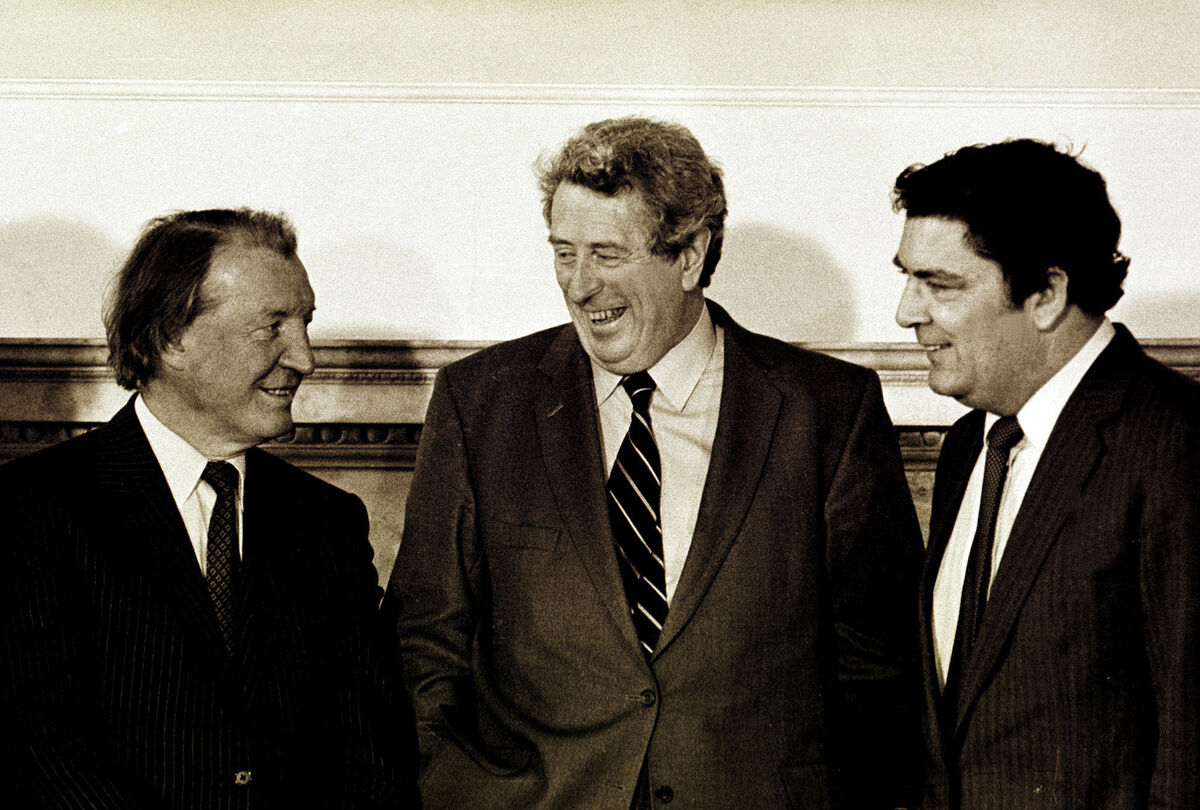
He was also aided by the contrast with his main political rival for the office of Taoiseach, Charles Haughey, who FitzGerald famously said had a “flawed pedigree” on the day the Fianna Fáil leader was elected Taoiseach for the first time.
Their rivalry would be the dominant political dynamic in Irish politics for almost a decade.
But a decade after his death, it is FitzGerald’s so-called ‘Constitutional Crusade’ (a phrase he himself disagreed with) – in which he sought to weaken the clutch of the Catholic Church on the institutions of State and to liberalise many aspects of Irish life – which has become his enduring legacy.
As an affirmed feminist and liberal at the head of a Christian democratic and devoutly pro-life party, FitzGerald was able to carry the day over his colleagues on issues many of them would have preferred to have left alone.
Perhaps his single greatest victory was the liberalisation of the country’s contraception laws.
On February 20, 1985, FitzGerald’s Fine Gael-Labour coalition defeated the opposition by 83 votes to 80 in the Dáil on a substantive motion.
The new legislation made non-medical contraceptives (condoms and spermicides) available without prescriptions to people over 18 at pharmacies.
It also allowed for the distribution of these contraceptives at doctors’ offices, hospitals and family planning clinics.
Though it was still illegal to advertise contraceptives and use of the birth control pill remained restricted, the vote marked a major turning point in Irish history – the first-ever defeat of the Catholic Church in a head-to-head battle with the government on social legislation.
Despite honouring a commitment to hold a referendum on the controversial and deeply divisive 8th Amendment in 1983, which reinforced the near-total ban on abortion, he opposed the measure.
Against much opposition from his own party and many others, he pressed ahead with a referendum seeking to introduce divorce in 1986.
Having worked hard to ensure the Catholic Church did not oppose the measure, FitzGerald was left blindsided when the hierarchy duly came out and opposed it.
A failure to neutralise an argument about property rights, put forward by William Binchy, torpedoed the proposal’s chances.
But FitzGerald, supported by his Labour coalition colleagues, showed real leadership and determination to try and drag Ireland out of the dark ages and divorce did eventually become law following a second and knife-edge referendum nine years later.
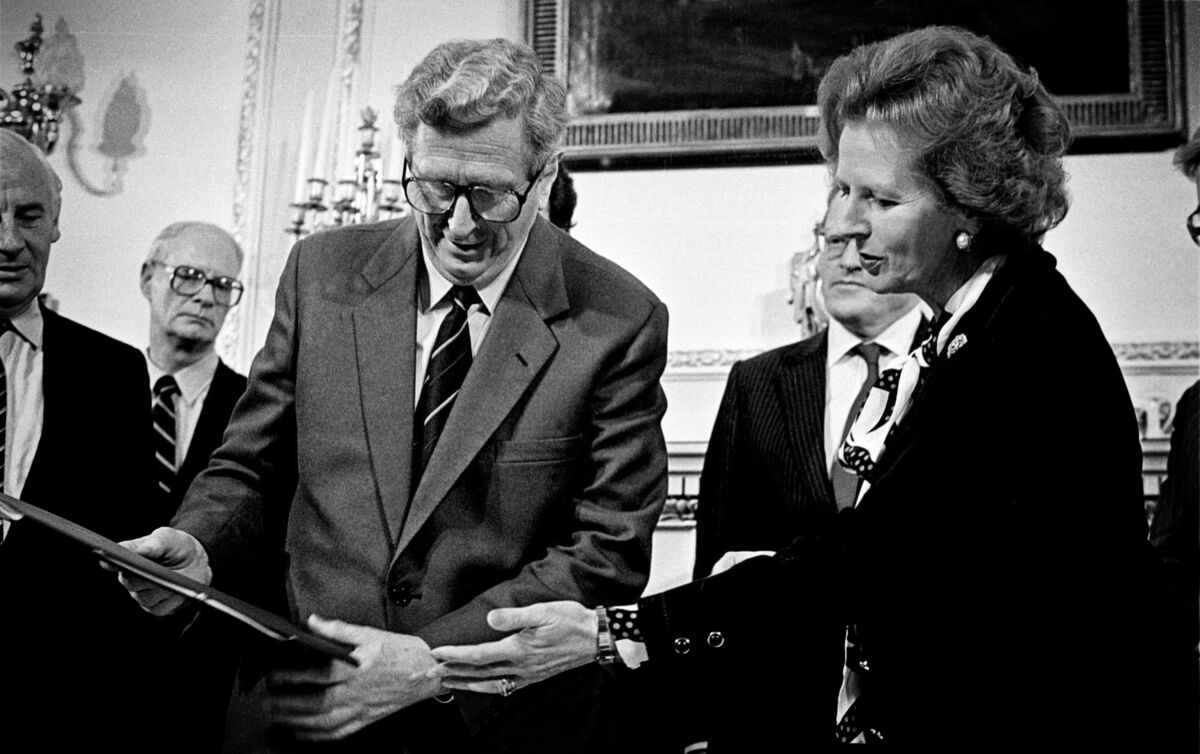
After a controversial beginning when he refused to meet the families of the H-blocks hunger strikers, FitzGerald’s major achievement in office was undoubtedly the Anglo-Irish Agreement in 1985, which was the forerunner of the Downing Street Declaration of 1993 and subsequent ceasefires in the North.
It is impossible to ignore his great failure on the economy while as Taoiseach between 1982 and 1987. Indeed, current Fine Gael leader Leo Varadkar compared then taoiseach Brian Cowen to FitzGerald in the Dáil 11 years ago.
During a Dáil debate, Varadkar told Cowen he was no Seán Lemass, no Jack Lynch but was like Dr FitzGerald, who he contended had tripled the national debt and had effectively destroyed the country.
He also suggested to Cowen that he should “enjoy writing boring articles in the in a few years’ time”, a reference to FitzGerald’s weekly column in the newspaper at the time.
But aside from that failure, there is no doubting the impact FitzGerald had on his party, on this country and the fullness of time has shown the extent of that positive impact, and that is worth remembering.
CONNECT WITH US TODAY



Be the first to know the latest news and updates