Do more to end attacks on women - Domestic violence in Ireland
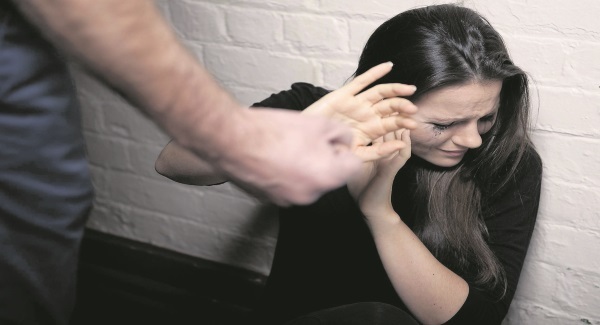
There are may ways in which a society can judge itself. 

Do more to end attacks on women - Domestic violence in Ireland

There are many ways in which one can decide if it’s decent, if it’s a genuinely caring culture, if it’s a place where its weakest members feel safe. How a society’s most vulnerable citizens are treated, how it welcomes or rejects immigrants, how it treats minority groups, or how it discharges its responsibilities to the natural world essential for life on this small, finite planet are all revealing, accurate criteria.

So too is how a society confronts domestic violence — the shorthand of our time for attacks on women or children. Does it see domestic violence as unacceptable in every circumstance? Does it challenge its causes and perpetrators? Or, does it regard domestic violence as an inevitable consequence of human dysfunction and proclivity for violence? Maybe, like some societies, it regards domestic violence as a natural expression of male — usually, but not always — dominance? Does it apply the resources needed to protect those who are regularly abused in their homes? Does it sanction the aggressors in convincing, effective way? Does it make its opposition to attacks on women or children proactive through funded policies and readily available services?

These questions are always relevant but on the UN Day Opposing Violence against Women — which falls today — they deserve special consideration. To mark the day, and to bring the issues to the very fore of public debate, Women’s Aid Femicide Watch publishes some of the findings of a 20-year study of domestic violence in Ireland. It makes for sobering, if not entirely unsurprising, reading. It confirms that murdered women are most likely to die in their homes and by the hand of someone they know, someone they are in a relationship with or were once in a relationship with.

In the last 20 years, 209 women have died violently in Ireland and almost two-thirds of them — 131 women — were killed in their homes. In cases where the attacker was identified, at least 54% were killed by a partner or a former partner, while another 33% were killed by a male relation or an acquaintance. Just 21 were murdered by strangers. Rape or sexual violence played a part in 22 deaths and, in seven cases, the women were involved in prostitution.

Some of the last women forced to give up public service jobs when they married — the marriage ban was only lifted in 1974 — are now grandmothers. Just as their world is unimaginable to their grandchildren, today’s world is utterly unimaginable when looked at through the prism of 1970s Ireland. Virtually every senior position in our justice system is held by a woman, our national broadcaster and our stock exchange are led by women. There are many, many more examples of this great, welcome, empowering change, even if our politics still seem inordinately male-dominated.

We can take some pride in this but the Women’s Aid disclosure that last year they heard over 22,000 — more than 60 a day — disclosures of abuse against women or children suggests we need to do far more before we can truly say this society protects all citizens equally. Domestic violence belongs in the past and we must do much more to make that a reality.

x

More in this section

Revoiced

Newsletter

Sign up to the best reads of the week from irishexaminer.com selected just for you.

Cookie Policy Privacy Policy Brand Safety FAQ Help Contact Us Terms and Conditions

© Examiner Echo Group Limited