Howlin’s challenge is not just political
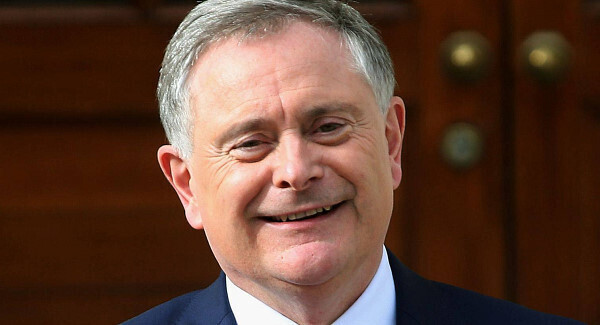
BRENDAN HOWLIN becomes the 12th leader of the Labour Party at not just a challenging moment for Labour but for all those who, through politics, trade unionism, or social activism, argue for the kind of social democratic principles that honour the empowering and inclusive social contract that has sustained the West since World War II.
Howlin’s challenge is not just political

That humane and uplifting commitment to try to make egalitarianism real has been under attack by neoconservatism and the very worst excesses of unfettered, conscience-free capitalism for decades. The philosophy is in danger of losing its capacity to inspire and lead change, a capacity behind nearly all the social and material advances made by workers in the last century.

Trade unions have more or less retreated — or been driven back — to public sector redoubts in many western countries leaving a great number of private sector workers in something like an every-man-for-himself dogfight. This has had a profound impact on employees’ job security, access to pension and health benefits, paid holidays, and even the basic capacity to plan a normal life underpinned by a moderate degree of work-life stability.

This has, in turn, radicalised trade unions. This hardening, by Irish standards at least, is expressed through ventures like the Luas dispute, Impact’s plan to pursue a 30-hour working week for public sector workers or the ASGI decision to march on the Dáil. It achieves little or nothing for those directly involved but alienates those who might support a political party representing a labour movement better rooted in everyday life. Just yesterday this mindset provoked the suggestion that Luas trams should be automated to make the threat of industrial action — and the tram drivers — irrelevant.

Remaking this connection between moderate workers happy to contribute to a society that recognises their needs and protects their interests must be a driving ambition for Labour if the party is to ever get beyond the seven per cent vote and seven seats it got in the election. This is not just a challenge for Labour but for all of those who regret the loss of so many of the hard-won workplace protections in the name of competitiveness — or a race to the bottom if you prefer. It challenges all of those who want to counterbalance the power of too-big-to-fail corporations be they banks or international businesses happy to use every opportunity to legally minimise tax bills. These excesses also create a dangerous void people like Donald Trump and political parties like Britain’s UKIP or Poland’s reactionary Prime Minister Beata Szydlo are all too happy to exploit. It is a tragic irony that an unrealistic left seems to energise an even more unrealistic right.

A new era begins for a bruised Labour Party, a party that paid a disproportionate price for making the hard decisions that many of those elected to seats once held by Labour representative shy away from. The party’s perspective was never more important as inequality grows and workers become disposable. How it faces that challenge and communicates its core values will decide on its success or failure — and so much, much more.

More in this section

Revoiced

Newsletter

Had a busy week? Sign up for some of the best reads from the week gone by. Selected just for you.

Cookie Policy Privacy Policy Brand Safety FAQ Help Contact Us Terms and Conditions

© Examiner Echo Group Limited







