MacBride’s martyrdom ended Yeats’s dreams
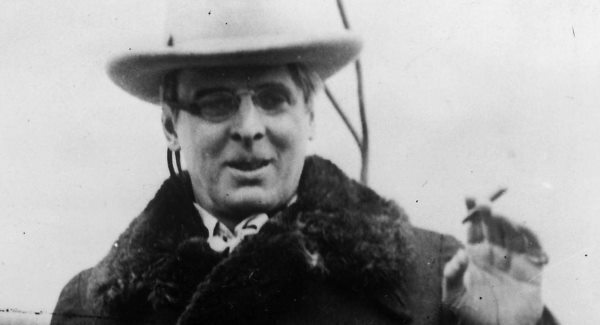
It is a many-layered work, but is, essentially, a love poem to Maud Gonne, whom the poet still hoped to capture. Maud rejected the poem in a famous letter to Yeats, writing: “No, I don’t like your poem, it isn’t worthy of you and above all it isn’t worthy of your subject.”
She objects to the line ‘too long a sacrifice can make a stone of the heart’, which references the Rising, but also herself.
Scholars have concentrated on this metaphor, but omit the other plainly stated reason she rejected the poem further along her letter.
Maud had sought a rapprochement with her husband John MacBride in 1910, but was rebuffed. Following his execution, there was no obstacle, though Yeats’s unwelcome poem stirs the old feud.
She tells him and posterity: “As for my husband he has entered eternity by the great door of sacrifice which Christ opened and has therefore atoned for all so that in praying for him I can also ask for his prayers and ‘a terrible beauty is born’.” Maud herself may well have been atoning for all to her late husband, John MacBride, in this remarkable sentence.

CONNECT WITH US TODAY



Be the first to know the latest news and updates