Sorry mums, but your children were not born to be problems
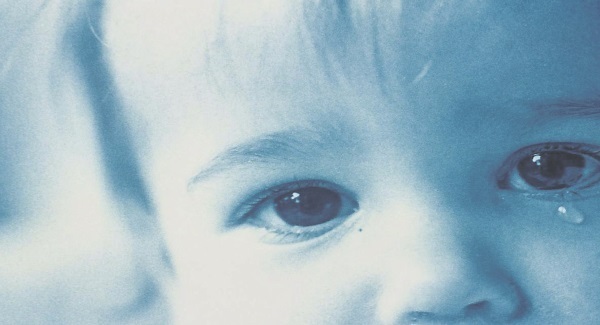
Every radio programme has an ‘expert’ giving advice to mums worried about their children, writes Terry Prone

Sorry mums, but your children were not born to be problems

WASN’T he marvellous, all the same? We’re agreed on that much, anyway. The 10-year-old whose sister was snatched in front of him by the paedophile simply wasn’t having it.

He ended up being dragged along by the paedophile’s Jeep. It was a foolhardy and dangerous thing to do, but as it turned out, it was exactly the right thing to do.

His actions bought his sister enough time to escape and escape she did.

One 10-year-old managed to stymie an experienced adult in an attempt to abduct a minor, and, in the process, demonstrated not just heroic courage but also altruism: The capacity to care for another before caring for oneself.

Now, we’ve no idea what this kid’s name is, which in one way is a pity, because it should go into the annals of child bravery, which are pretty extensive.

But his parents have decided that their daughter was so traumatised by the event that they want no part of Ireland and have gone back to live in the US, taking the daughter plus the 10-year-old brother and all his potential with them.

Maybe at some point in the future, that bright brave young fellow, as an adult, will read the newspapers of this week to find out how Ireland viewed the incident.

If he does — hi, adult version of kid hero — he should be told that we were sorry to lose him. We need kids like him.

We need kids like him pretty urgently, because at this point in Irish history, we have developed a peculiar positioning for children in popular culture.

First of all, they’re a stressor. A really bad stressor. So bad a stressor that one baby food manufacturer has transmuted its initials into Supporting Mums Always, thereby confirming a helpless and troubled status for mothers (who are now to be known as Mums) and a new hardship attached to motherhood — sorry, mumhood — which requires a commercial firm to support them. This is not support required now and again. Nope. It’s infinite. They’re Supporting Mums Always.

You have to hand it to the advertising copywriter who came up with the concept. Here they are flogging powdered milk to mothers and the copywriter has managed to elevate their role into a version of the Red Cross or Accord, the marriage counselling service.

It’s all about support. Why? Since when did women get broken by having babies? And furthermore since when were mothers so asinine as to be flattered by being told by an advertisement that they’re “doing great?”

It’s even lousy grammar. Since when were mothers happy to be shepherded into a new category called “mums”?

Mothers in the past had their babies and were back working in the fields by sunset.

Before you cast your eyes to heaven and suggest we live in different times, haul down those eyes and riddle me this. When thousands of mad yokes decide to go out in the rain and run a marathon, the media world practically kneels down at the finish line to watch them finishing and being put in tinfoil that makes them look as if they should be stuffed and roasted. These women are working harder than their ancestors worked in the fields, so why, when they then pop a sprog, does that sprog become such a challenge?

Babies are great survivors, and the best fun and generally, once they nail the sleep thing, an addition to the lives of their mothers. Sorry. Mums.

This portrayal of children as threatening and negative has to stop. They’re not evil and they’re not out to get us. Even when they are out to get us, they’re funny.

At the weekend, I overheard a conversation between a four-year-old and her female parent in the supermarket where the female parent was content that her daughter was going to do Halloween as a princess.

Sorted, they were. Tiara. Satin. Bling. And then the child spoke.

“I want to be a dead princess.”

“What?”

“A princess that is dead. Completely.”

“Why?”

This flummoxed the child.

“Why is the princess dead?”

“Just.”

“I don’t think it would be a good idea.”

Big mistake on the part of the parent. It provoked a lecture from the child about the significance of All Hallows Eve that would shame Wikipedia while causing a minor traffic jam in the aisles, because the rest of the shoppers got so interested. Then the mother did what mothers have always done. She postponed the evil hour.

“We’ll talk about this at home,” she said decidedly. The rest of us were kind of disappointed, because the four-year-old looked like she’d be an impressive negotiator for her right to be a dead princess rather than a live one. The point is that this wasn’t a Mum and she didn’t need support, always, when dealing with her youngster.

Think about it. Whenever we read about children or hear them mentioned on radio or TV, it’s as challenges or problems. Every radio programme has an expert giving support to mums worried to death about their kid crying or not crying, sleeping or not sleeping, eating or not eating, swearing or not swearing.Nine out of 10 of the queries to these experts establish that the child being worried about is doing pretty much what any sensible child would do in the circumstances in which they find their little selves. However, the pseudo-medicalisation of their issues infantilises their parents. Who, in the main, are mums who even describe themselves as mums.

Add to that context all of the umbrella bodies demanding that children get their eyes tested, get orthodontics and get watched for cyber-bullying symptoms, and what you get is a portrayal of children as problematic. The only time they appear as heroic in coverage is when they are “bravely fighting” cancer. The overall impression is that children are sent to try us, and they seriously do it, before becoming teenaged hormones on the hoof, at which time the company that claim to be Supporting Mums Always shrugs its corporate shoulders and leaves mums to it.

It’s as if children are to be cherished, supported, defended and protected, but never found intrinsically interesting. Normality is not celebrated. The fact that about half the parental work is done by the handing on of DNA is ignored. Every TV network makes or buys television series about the mating habits of the killer whale or the morality of tickling the slow loris, but much less coverage is devoted to the wonders of the normal baby, the bog standard toddler, the plain vanilla pre-teen. Yet any research that requires the quiet observation of children is riveting, whether it’s the Marshmallow Test or the study that showed children as young as 12 months are capable of altruism.

A study of the bravery of young children, which has quite a history, would make great television. It might not be good, though, to include a re-enactment of the 10-year-old’s heroic rescue of his sister. That’s definitely a “do not try this at home” episode.

x

More in this section

Revoiced

Newsletter

Sign up to the best reads of the week from irishexaminer.com selected just for you.

Cookie Policy Privacy Policy Brand Safety FAQ Help Contact Us Terms and Conditions

© Examiner Echo Group Limited









