An anachronism that revives the dark ages
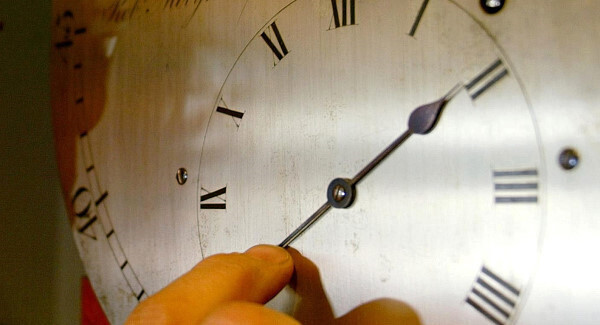
In 1916 Germany and Britain, though they were at war, introduced Daylight Saving Time (also known as British Summer Time for those excited by the prospect of 1916 celebrations) with the wartime objectives of increasing productivity and saving energy. As a consequence, we will move our clocks back an hour early tomorrow and pull the shutters down on what lingers of a beautiful ocher and gold autumn.
Basically, a huge swathe of Irish people are, from Monday morning, condemned to go to work in the dark and go home from work in the dark until spring. This may mean little or nothing to some, but to many others it represents a sad closing in of the world; a narrowing of our window on life- cheering brightness. And it is an utterly contrived imposition; it is a steam-age anachronism, throwing a shadow, literally, over our digital age. We should change it.


Read

Listen

Watch

Play
CONNECT WITH US TODAY



Be the first to know the latest news and updates




Revoiced
Newsletter

Had a busy week? Sign up for some of the best reads from the week gone by. Selected just for you.

Check out our diverse library of newsletters and get the best of the Irish Examiner delivered straight to your inbox
Most Read
Thursday, October 1, 2026 - 11:00 PM
Thursday, October 1, 2026 - 1:00 PM
Thursday, October 1, 2026 - 7:00 PM