Wasps’ craving for sugar
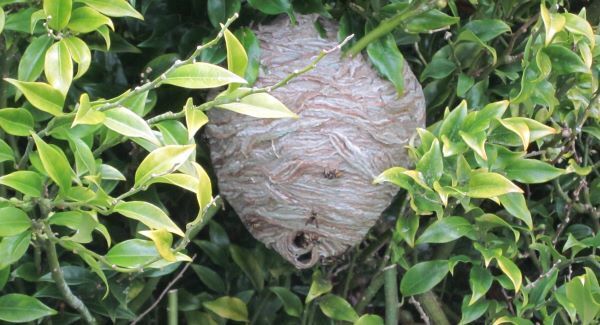
And for some reason, probably related to the weather, there seem to be more of them than usual this year. Wasps are unpopular but ecologically invaluable animals and to understand why they become annoying in late summer you have to understand their life cycle. And understanding it will also provide a few hints about what to do and what not to do when a wasp is annoying you.
The common wasp is a social insect but, unlike the honey bee, it hasn’t evolved a method of food storage to allow the colony to survive the winter. The only survivors are young, fertilised queens that hibernate and emerge in the spring to build small nests, about the size of a walnut, in which they lay 10 to 20 eggs. The queen feeds the larvae that hatch out until, usually some time in May, they become mature workers.
The queen then concentrates on egg-laying and the workers feed the next generation of larvae and enlarge the nest, made of wood pulp. By this time of year the nest has grown to around 40cm in diameter, sometimes much larger, and contains 4,000 to 10,000 wasps.
Then a dramatic change takes place. The queen stops laying eggs, apart from a few that will become future queens and males to mate with them, and stops releasing the pheromone that makes the workers work. In effect, they become redundant and rapaciously hungry.
Wasps are carnivores. They eat meat, mostly other insects they kill with their sting and some carrion. But they also love sugary things like over ripe fruit and fizzy drinks and their craving for sugars becomes intense towards the end of their brief lives. This is when they become annoying.
But the redundant workers have their own pheromone, developed to help them protect the nest from attack earlier in the year, which is a rallying cry sent out to other workers along the lines of “get over here quickly with your stings ready, we need to attack!”.
If you swat a wasp that is buzzing around it’s liable to send out this chemical message and a lot more very aggressive wasps will start arriving. People who panic in the presence of wasps and try and brush them away or kill them are much more likely to be stung than people who remain calm around them.
It’s also good to bear in mind that without wasps it’s probable that human life would not be able to survive on the planet. Without their role as predators we would be overrun by smaller and even more insidious insects like aphids and caterpillars. For the last few months that worker wasp has been keeping the place habitable. Now it’s going to die. Let it have that last sugary meal.


CONNECT WITH US TODAY



Be the first to know the latest news and updates