UK set to turn with Cameron to the right
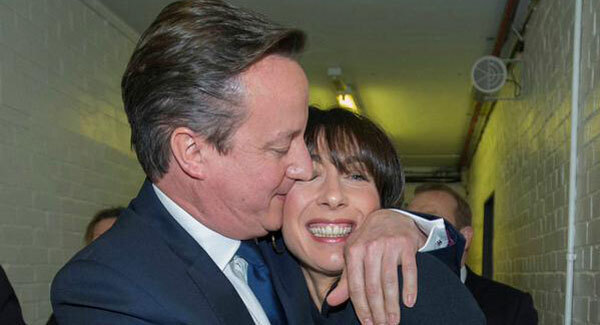
Cameron was keen to capitalise on the surprise of his shock majority victory with a raft of measures designed to appease the Tory right such as moves to water down human rights legislation, and press forward with plans for an in-out referendum on the EU.
After wipeout in Scotland and a failure to come close to the Tories in England, Labour is reeling as contenders for the leadership emerged. It was vacated by Ed Miliband soon after the partyâs poor showing in the election became known on Friday.
Former television historian Tristram Hunt is a frontrunner along with shadow home secretary Yvette Cooper, former health minister Andy Burnham, and rising star Chuka Umunna. However, little known Liz Kendall was the only candidate to officially declare.
As the party looked for reasons for its worst defeat since 1987, architect of New Labour Peter Mandelson accused Miliband of making âterrible mistakesâ by abandoning the centre ground from which Tony Blair had won three elections.
Mandelson ridiculed the Miliband approach. âWe were sent off in 2010 on a sort of giant political experiment in which we were sent out to wave our fists at the nasty Tories and wait for the public to realise how much they missed us. They werenât missing us. They didnât miss us â instead they ripped the stripes off our shoulders,â he said.
Blair also spoke out over the weekend, praising Milibandâs strength in the face of âsavageâ personal attacks. However, he warned that he had dragged the party too far to the left.
Umunna said the party was âdown but not outâ as he rejected claims that Labour faces being locked out of power until at least 2025. âWe can do this in five years as long as we make the right decisions,â he said.
âYou can change the leader but unless you get the message right we wonât win.â
With Labour in disarray, Cameron was set to seize the political initiative with a radical legislative programme, known as the Queenâs Speech, which he plans to lay before parliament on May 27.
However, the freshly invigorated SNP, which swept the board in Scotland, taking 56 of the 59 seats, insisted it could no longer be âbusiness as usualâ at Westminster.
SNP leader Nicola Sturgeon called for full fiscal autonomy for Scotland, but insisted she did not see the partyâs record showing as a green light for independence. âWhat we will argue for is priority devolution of powers over business taxes, employment, the minimum wage, welfare, because these are the levers we need to grow our economy to get people into work paying taxes and lifting people out of poverty,â she said.
Cameron, meanwhile, plans to neutralise opposition to majority Tory rule by changing constituency boundaries in order to make it far harder to dislodge the Conservatives in 2020.