Pipi scoops bat of the year title
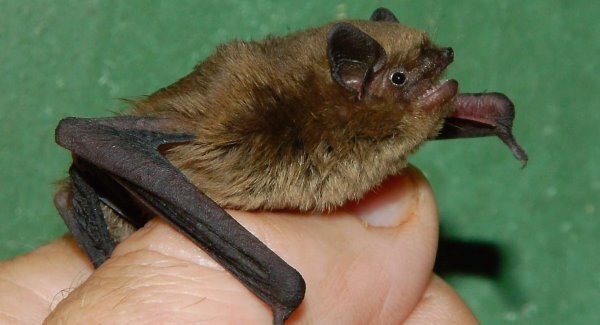

The species was unknown in this part of the world until comparatively recently. ‘Only seven (bat) species occur in Ireland’ declared Fergus O’Rourke in his Fauna of Ireland, published in 1970. ‘The pipistrelle, the smallest of our bats, is by far the most abundant’, he added. No wonder it was so numerous; three species, it turned out, were masquerading as one. ‘Pipistrelle’ is derived from Latin meaning ‘little squeaker’; children, whose hearing is better than adults’, can just detect some of its calls.
Like all insect-catching bats, pipistrelles transmit powerful high-pitched pulses which bounce off objects around them, sending echoes back to the sender. From these, the bat builds up a ‘sound picture’ of its surroundings, as detailed as the ones our eyes provide in daylight. Luckily, bat pulses are transmitted at frequencies much too high for us to hear; they are so loud that, were we able to detect them, we would be deafened.

CONNECT WITH US TODAY



Be the first to know the latest news and updates