Season for mice and men
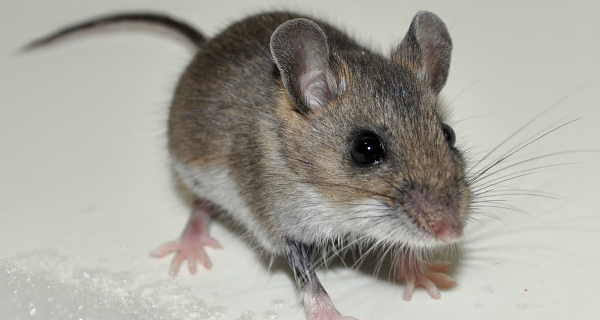
This started a conversation in the shop and it emerged that practically everyone was suffering from a plague of mice. They couldn’t remember an autumn when so many of them had invaded their houses.
The house mouse is what biologists call a commensal rodent. Commensal literally means ‘sharing the same table’ and indicates the rodent can’t exist through the winter without ‘sharing a table’ with humans. The brown rat is also largely commensal and the black rat was up until relatively recently, though it is now extinct or practically extinct.
The population dynamics of rodents is a widely studied topic. The internet is crammed with books and papers on the subject. Unfortunately a quick scan of the literature didn’t provide a definitive reason for a plague of house mice in our locality. It’s almost certain that several factors contributed to it but that one key element was the weather. Mice, and other rodents, have a phenomenal capacity to breed. A female house mouse can have five to 10 litters a year and the average litter size is six to eight young. Simple arithmetic shows that one mother can produce between 30 and 80 offspring in a year.
Bad weather and a lack of food, which is connected to bad weather, are two factors that control this explosive birth rate and prevent us being overrun by mice. It seems likely that the spring and summer of this year were warm enough and dry enough to prevent baby mice from dying of hypothermia but also wet enough to provide plenty of natural mouse food in the form of green shoots and ripe seeds. The result was greater than usual productivity — and now they all want to come indoors to escape the cold.
There are other factors that control house mouse numbers during the months when most of them live outdoors. One of these is predation. Lots of other creatures eat mice, making them an important link in the ecological chain. Probably the most significant predator in Ireland is the domestic cat, though every Irish carnivorous mammal eats mice. Badgers seldom catch adult mice but they dig out nests of young. Foxes have a specialist mouse-catching technique which involves locating them by sound and pouncing on them with a straight-legged jump. Stoats, pine martens and mink hunt them regularly.
Kestrels, buzzards and owls eat a lot of mice, though short-eared owls don’t because they are winter visitors when the mice tend to be indoors. Even herons like a meaty morsel as a change from their usual diet of fish.
But the question of whether predators control the numbers of a prey species or whether it’s the other way round is another topic that’s much debated by ecologists.
(Branta bernicla)
The brent is a small brown and white wild goose, not much bigger than a large duck. They are winter visitors and largely confine themselves to coastal locations. It is the only truly wild goose that regularly tolerates the presence of humans. There are three main races. The pale-bellied race breeds in north-eastern Canada, the dark-bellied in Siberia and the black brent in Alaska. The birds that visit Ireland in the winter belong to the pale-bellied race, though occasional stragglers from the other two races turn up. Their long migration to and from Ireland is broken by a rest stop in Iceland.The bulk of the population lands in Strangford Lough in the autumn and then spreads along the coast.

CONNECT WITH US TODAY



Be the first to know the latest news and updates