Insect book that promises not to bug you
IF you have a vegetable garden May and June are the months when the weeds try to take it over. They seem particularly aggressive this year, probably because May was rather wet and the soil is still holding a lot of moisture. So I’m spending time using the hoe, or on my knees hand-weeding the spots where the hoe is too indiscriminate a weapon. This year, however, I have a new interest. I’m looking out for the forget-me-not shield bug.

Insect book that promises not to bug you

There are several species of wild forget- me-not in Ireland, plus cultivated varieties, but the field forget-me-not is one of the worst weeds in my garden. It is one of the dowdier members of the family with tiny blue flowers and hairy, slightly grey, leaves. It is also the host plant for a sap-sucking insect called the forget-me-not shield bug.

The interesting thing about the bug is that it has only been recorded from counties Kilkenny and Kildare and it hasn’t been seen since 1920. My garden full of forget-me-nots is in Co Kildare so, as I’m down on my knees weeding, I fantasise about rediscovering the rarest of Ireland’s 17 species of shield bug. I reckon that the reason it hasn’t been spotted in nearly a century is that there aren’t too many people with the knowledge, or even the inclination, to recognise it. It’s black and somewhat beetle like and only 7mm to 9mm long. So I’ve familiarised myself with its distinguishing characteristics although, on going back to the reference sources, I’ve discovered that I’m a little bit premature because it’s seldom seen before July.

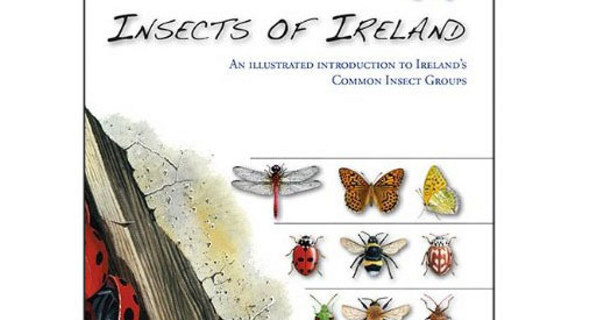
I’d never heard of the forget-me-not shield bug until a few days ago when I got a copy of a book published earlier this year. It’s Insects of Ireland by Stephen McCormack and Eugenie Regan with illustrations by Chris Shields and published by the Collins Press.

For an amateur naturalist like myself this book is one of the best things that’s happened in years. Of course, it doesn’t cover all the insects of Ireland, there are far too many of them (11,400 species, and the number is still growing). But it does do a thorough and excellent job on the seven groups of insect that are of most interest to people like me — butterflies, dragonflies, ladybirds, bumblebees, shield bugs, grasshoppers and earwigs.

It’s greatest value lies in the fact that it’s Irish. Working with British reference books and field guides can be very confusing, though there are a couple of excellent Irish websites.

I don’t really expect to re-discover the species, my sight isn’t good enough, but the publication of this book makes it much more likely that someone will.

SPECKLED WOOD

( Pararge aegeria)

This medium-sized butterfly is one of our commonest species. Although originally a woodland butterfly it is widespread along hedgerows and in gardens from April until early October. It’s brown spotted with cream with three small eye-spots on each hind wing. Females are larger than males but the colouration is the same. Speckled woods seldom visit flowers for nectar, they mostly feed on aphid honey-dew. Their most characteristic piece of behaviour is fights between males over territory. They can become so engrossed in the fight that they lose all sense of caution and become easy prey for birds or large dragonflies. They have several broods in a year and can over-winter as either caterpillars or pupae. The food plants of the caterpillars are several species of coarse grass, usually couch grass or cock’s foot grass. In spring the females seek out sunny spots to lay their eggs. , in summer they seek shade. In dappled sunlight in woodland, the original habitat of the species, the wing markings provide good camouflage.

More in this section

Revoiced

Newsletter

Had a busy week? Sign up for some of the best reads from the week gone by. Selected just for you.

Cookie Policy Privacy Policy Brand Safety FAQ Help Contact Us Terms and Conditions

© Examiner Echo Group Limited










