Changing politics - Come clean on possible alliances
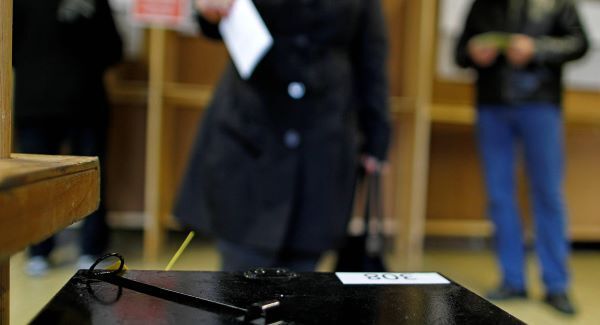
If the local and European voting trends accelerate — or even stay steady — the dominance of the staid, conservative, self-contented, centrist, establishment-orientated political parties will be consigned to history.
The two or three groupings described until now as the main parties will have to court, and compromise with, disparate individuals or groupings; some ambitious, evolving political parties, others looser collectives of independents. The potential for instability far outweighs the prospect of stability. Fragmentation may be the new order of the day in Leinster House. These are not circumstances that will make our parliament more effective or adventurous.
Because of our one-or-the-other history of governance — sometimes supported by temporary little arrangements — our political system is very poorly structured to cope with this kind of democratic multiculturalism. Unlike other European countries we do not, just like an almost ungovernable Italy, have minimal vote requirements — say 4% of the national vote — before a party can take a seat in parliament. Though this might mark the end of the road of our almost unique enthusiasm for independents, it would guarantee a degree of parliamentary stability and make the prospect of getting things done stronger than it might be in other, free-for-all circumstances. Set dates for elections are also a part of this rationale as they prevent governments going to the country when it suits them.
Before last month’s elections, it was reasonable to assume that the next election could be kicked down the road for another 20 months or so, but the prospect of a chastened Labour party under a new leader becoming less comfortable in coalition changes that timetable. Even if the coalition parties cling to each other like flotsam-and-jetsam sailors on a sinking raft, no one can promise that this Government will see out its term.
The report from the European Commission on Monday that insists we follow the plan — new taxes, reduced services — to try to live within our means adds to the pressure on a government already bruised by an electorate more than fed up with reduced, and still falling, living standards.
All of this brings us to an almost novel point, a new, untried ford across the Rubicon as it were. Come the next election, every candidate and party will promise what it is they think we want to hear but when the votes are counted a new, entirely predictable period of horse-trading, and probably a retreat from the promises made before voting, will begin. This process will involve attempts at alliances once thought profane much less considered viable. This match-making will confirm one of politics’ eternal truths... the appetite for power is never diminished, never sated or even deflected by circumstances. Because of this, we may find that our vote becomes a negotiating chip, a token to be bargained for rather than a mandate offered in full knowledge of what we are voting for. This brings a new obligation to our politicians though they will be coy about observing it. Before a vote is cast, each party, each candidate, should say who it is prepared to share power with, which party it will support or oppose. If they do not, they will demean our democracy further and lay the foundations for the kind of chaos this battered society does not deserve.
CONNECT WITH US TODAY



Be the first to know the latest news and updates