Climate change report - Necessary change must follow
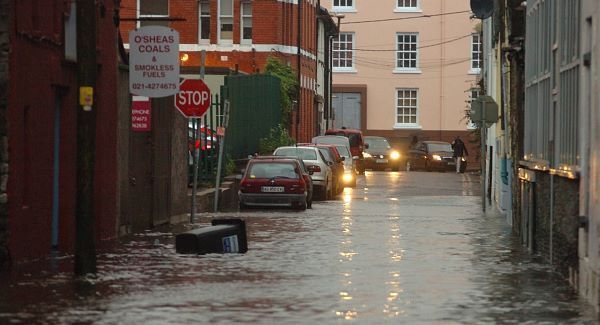
As a result of leaked information, it is confidently expected that the report will confirm that global warming is largely manmade.
A draft report leaked in June suggested the IPCC now believes it is “extremely likely” that man has been responsible for half of the global warming since 1951. In a 2007 report the IPCC concluded this was just “very likely”.
Leading scientists from various fields are more confident than ever that mankind is responsible for global warming. They believe that carbon — spewed into the atmosphere from the burning of coal, oil and gas — traps heat and this generates the greenhouse effect, which they believe leads to global warming.
They say they are as sure of this as they are sure that smoking kills people, or that vitamins have a beneficial impact on people’s health. In 2007 they were 90% sure, and now they are 95% sure, which explains the difference between “very likely” and “extremely likely”.
As the scientists still do not claim that they are certain, some people will argue nothing should be done until they are 100% certain. Most people would probably not get on an airplane, if they were told the airline was only 95% sure they would reach their destination safely. Hence the scepticism will continue.
Arctic ice reached a record low last year and the IPCC asserts that sea levels have risen by 7.5 inches since 1901. Hurricane Sandy ravaged New York and New Jersey last year, while Mexico suffered simultaneous hurricanes in the Gulf of Mexico and on its Pacific coast last week. They devastated towns and cities in their wake.
A massive tornado ripped through Oklahoma City in May of this year, while a tornado was recorded in Donegal in June of last year. Floods have wreaked havoc in China, and there have been droughts in the United States, Russia, and many of the developing countries.
Those were all natural phenomena, but some scientists attribute their intensity largely to climate change. The potential is truly frightening, so the dangers should not be underestimated.
Necessary energy changes are being resisted, however, because the international scene has not yet recovered from the financial crash of 2008. There has been a sharp increase in the use of coal, the dirtiest of all fuels in terms of spewing carbon dioxide into the atmosphere.
The World Bank and the European Investment Bank has sought to tackle the coal problem by cutting off lending to high-emission coal plants. The problem certainly needs to be tackled, but it would probably be more effective to put the emphasis on the need for governments to promote economic growth, expand markets, and generate jobs, by reducing carbon emissions.
CONNECT WITH US TODAY



Be the first to know the latest news and updates