Infernos offer a hard lesson on crisis plans
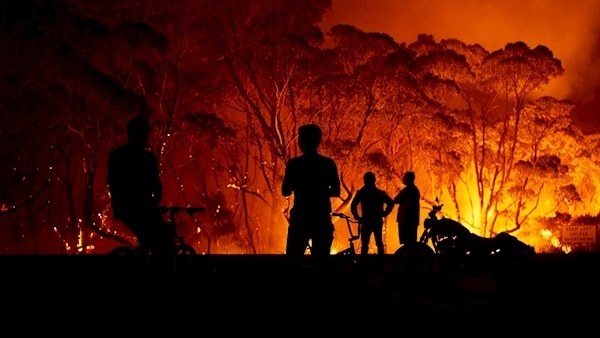
The scale of Australia’s fires is biblical. They are beyond anything experienced, or at least widely highlighted, in modern times.
Fires across vast ares of Siberia in recent years were on a par but they gripped areas with a far lower population density than Australia’s inferno states, so they may not have made the same impression on world consciousness.
The impression created by Australia’s fires — at least 27 people killed and tens of thousands caught in an endless rearguard action, more than 25.5m acres scorched and up to a billion animals burnt alive — is increasingly distressing.
Yesterday’s decision by authorities in Victoria to encourage nearly 250,000 people to evacuate homes will sharpen that feeling, a mixture of awe, fear and unfortunately, a large degree of helplessness.
That such an advanced country should be so overwhelmed by nature must at least raise questions about our capacity to withstand a similar event.
We are unlikely to face an ordeal by fire but scientists have, for many years, warned about rising sea levels.
As the majority of cities on this island are built on tidal estuaries those warnings cannot be discounted unless of course we, like Australia’s prime minister Scott Morrison, dismiss the science.
But, as Australia’s tragedy shows all too clearly, that can have only one outcome — a runaway disaster deepened by a lack of preparation despite the unequivocal and persistent warnings of science. We still have time to act.