Dieselgate scandal two years on: Still paying lip-service
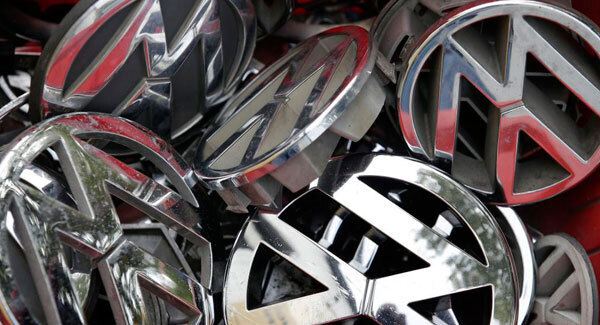
Some of the world’s most powerful corporations are involved in this mass fraud and the scandal is still unfolding. The final cost is unknown but the scandal sounded the death knell for diesel cars as many cities are about to ban them.
Just last Friday Volkswagen added provisions of around €2.5bn to its mounting clean-up bill, which stands at around €20bn. Its share value fell by 3.1% after the announcement. The company rigged something like 11m vehicles but the brand, just one of many involved in fake tests, remains in the top three on the Irish sales chart. Dieselgate, and growing concerns about the long-term impact PCP car financing might have on the economy, underline the risks involved when profit targets trump ethical policies.
Despite that, the world is dependent on car manufacturers to devise cars that represent a far lower threat to climate stability than those we use today. And the race is on. China, a third of the world’s car market, will end sales of fossil-fuel-based vehicles in the lifetime of most people driving cars today. Norway, France and the UK have similar plans.
Despite the urgency, and despite the establishment of a task force by the Department of Transport, we are very much at the lip-service stage in trying to reduce the 21% of greenhouse gas emissions generated by transport every year.
CONNECT WITH US TODAY



Be the first to know the latest news and updates