Lies, damned lies, and statistics on childcare
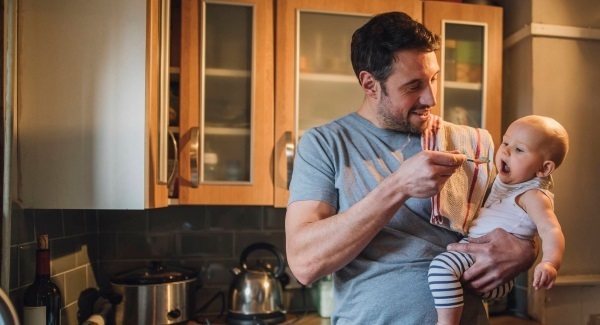
THEYâRE a âwaste of human capitalâ in the words of the OECD. Theyâre wasting their education. Theyâre wasting our resources. Theyâre wasting our time.
The eradication of the stay-home parent is not happening as quickly as weâd hoped, however. The Quarterly National Survey for July to September of last year has just been published and while it shows a drop in the number of children being cared for at home by a parent as against the figure for 2007 itâs only 5%.
Weâre still looking at 70% of babies and primary school kids being cared for by a parent. Crudely spelled out that means 70% of young children are monopolising the care and attention of an adult who might otherwise be doing something worthwhile.
He or she could be working in a factory or in a shop instead of âsitting on her hands drinking coffeeâ to quote one politician from the time of tax individualisation. He must have been thinking of a woman who could reach her lips with her feet and could otherwise have made a good career for herself in the circus.
Sixty-two percent of preschool children are cared for at home by a parent as against 64% in 2007 â a decrease of 2%, despite the Early Childhood Care and Education Scheme which provides three hours of free childcare to each child between the ages of three and five during the school year.
While preschool is counted as childcare, school isnât and that no doubt partly accounts for the fact that primary school children are described as more likely than preschoolers to be cared for by a parent at home: 74% as against 81% in 2007.
Thereâs no denying those recalcitrant stay-home parents of schoolkids have good excuses not to work outside the home. Primary school hours are all over the place. School is demanding and many parents say they need to keep someone at home to help with homework and after-school activities and playdates.
Whatâs galling, however, is that some of these parents say they enjoy this period of their lives. They say they make friends with other parents at the school gate. They can sometimes be observed slipping off for cups of coffee which they drink sitting on their hands.
Surely most of them would opt to work full-time and have their kids in crèche if they got half a chance? Look at that headline statistic in the new Quarterly National Survey results on childcare which shows 44% of parents would like to change their childcare arrangement to crèche care!
The Stay-At-Home Parentsâ Assocation, who must have lots of time on hands mostly used for sitting on during coffee mornings rang the Central Statistics Office and found out that the 44% didnât refer to 44% of all parents surveyed but rather 44% of those who wanted to change their childcare type.
Only 18% of those surveyed wanted to change their childcare arrangement, of which 44% would opt for crèche care. Thatâs less than 9% of the total 100%.
Thankfully these are alternative facts which donât make good headlines. Can you imagine a news story on the fact that 9% of parents would change to crèche care if they could get it? Or a headline saying that 82% of parents of young children are happy with their childcare choice, including the 70% of parents who are at home with their kids?
No and no again. The lies, the damned lies and the statistics will have to continue until the number of parents who care for their own kids goes down. Every kid will have the same upbringing, no matter where they live, what their needs are or what their parents want to do with their lives. Oh, happy day.
Septemberâs More Affordable Childcare Scheme will make a good start on this work by massively incentivising crèche care over care by parents, relations and child-minders. As weâve said, parent care has gone down by 5% since 2007 but care by unpaid relations and friends has ballooned from 9% to 16%.
This is bigger than the increase in crèche/playgroup care , which has gone up by 4%, despite two government investment schemes in the 2000s worth more than âŹ1bn between them and the ECCE preschool scheme. Childminder care is up by 1% in the same time.
A working group has been set up with the aim of including childminders who mind less than four children in their own homes in the More Affordable Scheme but this is likely to take two years. Meanwhile only the few childminders who mind four or more unrelated children can apply.
Clever, isnât it? You canât get financial support for offering one-to-one or two-to-one care. You can only get financial support for three-to-one care if a baby is between six months and a year old when the ratio goes up to six-to-one. In addition you can only get the full whack of childcare support â a maximum of âŹ1,040 a year as a universal payment and âŹ145 a week for parents on means-tested State support â if your child is in crèche care more than five hours a day, five days a week.
Crudely spelled out, care is incentivised according to how unsuitable it is for babies and toddlers and how suitable it is to the employers who have use for their parents.
There is more to it than that, of course. Keeping the ratios high and the facilities large should be cheap for the exchequer especially as crèche workers are paid a pittance. However âŹ18 million has already been ponied up for ânon-contact timeâ and this includes huge amount of time that crèche managers will spend processing supports for low income families because a dedicated âparentsâ portalâ has not yet been set up.
THE scheme should make childcare cheap enough for parents that they canât justify staying home. But the subsidy is being paid directly to the childcare providers and some may not pass on the payment to parents by way of reduced fees. We have already heard of two creches in Co Galway who plan to absorb the payment.
At least itâs money going to childcare providers, not to the building industry, which pocketed 54% of the âŹ500m allocated to the Equal Opportunities Childcare Programme (2000 to 2006). But itâs not guaranteed to lower childcare costs for everyone.
Which may keep parents at home wasting the OECDâs human capital. Is it time to implement the OECDâs suggestion from Babies and Bosses in 2005 and take Child Benefit off parents who refuse point-blank to do their duty by the State and work outside the home?