We should be honest about death - End-of-life issues avoided
ONE of the abiding but unfortunate practices in Irish life is that if you must say something say nothing. 

We should be honest about death - End-of-life issues avoided

That dishonest sidestepping is at play in the Fine Gael leadership race. The vaguest, feel-good generalities are offered in a way that ensures any audience can interpret those promises in almost any way they might wish. Specifics are verboten. Detailed policies are seen as hostages to fortune rather than targets to be pursued rigorously and with courage. It may be unfair to level that charge at the contenders because they are doing no more than observing one of our cultural defence systems — avoid confrontation, avoid challenging issues, defer and delay. We are so good at it that the process has been honoured in the vernacular — “we kick the can down the road”.

We’ve done it for decades on abortion, even if the Citizens’ Assembly might have brought that issue to a head. We do it on immigration because we don’t want to be silenced by accusations of racism or Islamophobia. We will dodge that hard but inevitable conversation until it is too late — if it is not so already. We occasionally get animated about white collar crime but the fury abates and nothing changes.

Saying nothing becomes doing nothing.

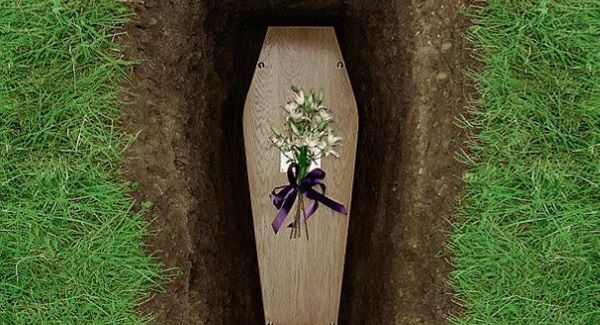
Another of the hard issues we pretend we don’t have to face is how spectacular advances in medicine that help prolong life, even a life without independence or dignity, mean we need to reconsider end-of-life practice. Principles that were unquestioned even a generation ago now sometimes seem inhumane. Sometimes the price, physical or emotional, on sustaining life for a short period is too high for the dying person and their family who can only look on as a loved parent slips into the twilight zone between life and death, becoming an unrecognisable, incommunicable and distressing husk.

Between 2010-2012, life expectancy at birth was 78.4 years for Irish men and 82.8 years for Irish women. Less than a century ago, in 1926, men could, on average, hope to live for 57.4 years. Women had a slightly higher ambition — they were expected to reach 57.9 years of age. This spectacular advance — more than 20 years in little more than one lifetime — has been made because of improved lifestyle and huge advances in medical science and its delivery. This is one of the primary drivers of population growth. It is also at the root of the looming crises around pensions and funding issues around the support many of us will need in old age.

Today we carry an interview with neurosurgeon Henry Marsh (see Feelgood) in which he reflects on some of these issues, especially the sometimes very difficult decision around whether the trauma of a difficult operation is balanced with the possibility of improving his patient’s quality of life. “If we operate on everybody (as some surgeons do), without any regard to the probable outcome, we will create terrible suffering for some of the patients, and even more so for their families ... We are told that we must not act like gods, but sometimes we must, if we believe that the doctor’s role is to reduce suffering and not just save life at any cost.”

Death is a certainty but the manner of its arrival is not. We should not kick this can any further down the road.

More in this section

Revoiced

Newsletter

Sign up to the best reads of the week from irishexaminer.com selected just for you.

Cookie Policy Privacy Policy Brand Safety FAQ Help Contact Us Terms and Conditions

© Examiner Echo Group Limited