A sad day alive with possibility - Britain triggers EU divorce
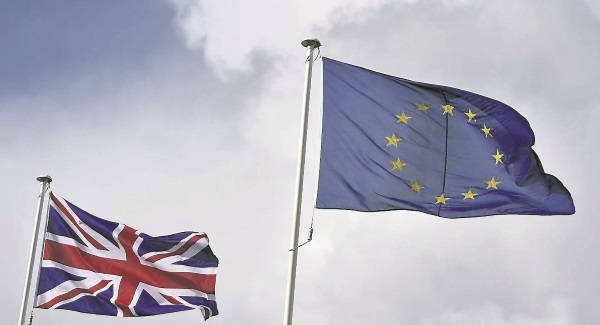
Alliances that benefitted millions of people economically, secured unprecedented peace and social progress will shrink when UK Prime Minister, Theresa May, triggers Article 50 to begin Britain’s withdrawal from the European Union.
It is a terribly sad day for those who, despite many deepening problems, believe the European project is an ideal worth reforming so it might be made more relevant. Obviously, that sadness will not be shared by those who campaigned, by fair means or foul, for Brexit. Both camps, however, must view Brexit negotiations with apprehension. They are a step into the unknown. No one can predict how our world might change. That positions have hardened since the June 2016 vote adds to that apprehension. The anger of those who feel that the margin of the “Leave” vote — 52% against 48% — is insufficient to justify what they see as a coup by emotional, empire-nostalgic, right-wing Tories has deepened. The triumphalism of the “Leave” camp has been goading rather than conciliatory. Neither attitude augurs well.
The European Council must approve a mandate for EU negotiator, Michel Barnier, who has suggested Britain might face a €60 billion divorce bill. There is no possibility of that figure being agreed and if it is sought negotiations may falter at the first hurdle. No Tory prime minister would survive such a capitulation, especially as Britain is a net contributor to the EU. Mr Barnier has also insisted that this island’s border conundrum and EU citizens’ rights must be resolved before less challenging issues are considered. This stance will be characterised as the EU’s determination to punish Britain by those whose mendacity has brought Britain to this sorry pass but it is not. Why waste time, why pretend that there are not very difficult issues to resolve? Why spend three years trying to agree on tulip imports or levies on widgets made in Yorkshire while core issues remain unresolved?
At this point, the character of the negotiations seems almost as important as their objectives. Taoiseach Enda Kenny will be alone, apart from the support of a single official, at the EC meeting to finalise Mr Barnier’s mandate so he may struggle to have his voice heard. Should that mandate not reflect our concerns those who advocated Brexit will have won another skirmish in their war on Europe. Sidelining our real and, for once, unique concerns would play into the hands of those who want to end the greatest economic and peace project in modern history. That Ireland was so very shabbily treated by the ECB when it put investors’ bets before this Republic’s citizens’ security sowed a seed that would sprout in fertile ground if our difficulties were relegated to collateral damage status. The EU faces many great challenges, so too the euro. Though it may seem counter-intuitive to suggest it this sad morning, Brexit negotiations offer an opportunity to re-energise the principles that made the EU such a positive force. They may be a last throw of the dice for the liberal, collegiate, supportive alliance that did so much for Ireland but the negotiations are also a process alive with possibility.

CONNECT WITH US TODAY



Be the first to know the latest news and updates