Inspirational resilience - Lazarus species rewrite science
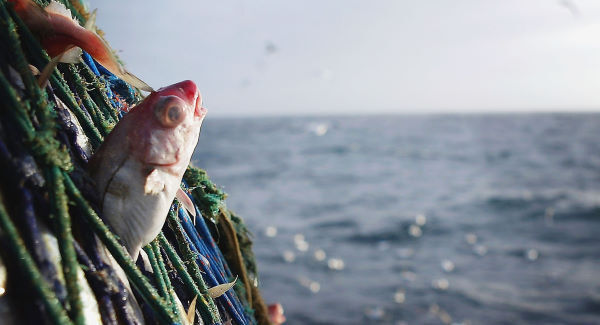
Less than a century ago we believed the coelacanth, a fish related to lungfishes and tetrapods had been extinct since the Cretaceous period — 66m years ago, give or take the length of a public inquiry or two. Not so. Angler, Hendrick Goosen, fishing off the east coast of South Africa in December 1938, caught one. Many have been caught since. Before 1938 we knew the fish through fossils but indifferent to our loss the species endured in life. Without our by or leave, or most importantly, our interference, the species did what coelacanths do.
We may be on the cusp of another coelacanth moment. There have been “plausible” sightings of Tasmanian tigers — “old stripey” — in north Queensland even though the dog-like animal was thought lost 80 years ago, just two years before Goosen rewrote natural history. This is a good time for species thought extinct in Australia. There has been a rediscovery — photographed — this month of a night parrot, long believed to have gone the way of the dodo.
There is a preposterous anthropomorphic conceit around celebrations inspired by the “rediscovery” of these Lazarus species but at a moment when the president of the most “advanced” country in the world prepares to undo climate protection measures, the resilience of a fish, a parrot, and a stripey dog so long out of sight is inspiring. However, the prospect of becoming a fossil because of climate change is not.

CONNECT WITH US TODAY



Be the first to know the latest news and updates