Parents in Southeast Asia bring their children to be sexually abused for 'paying customers' in Ireland
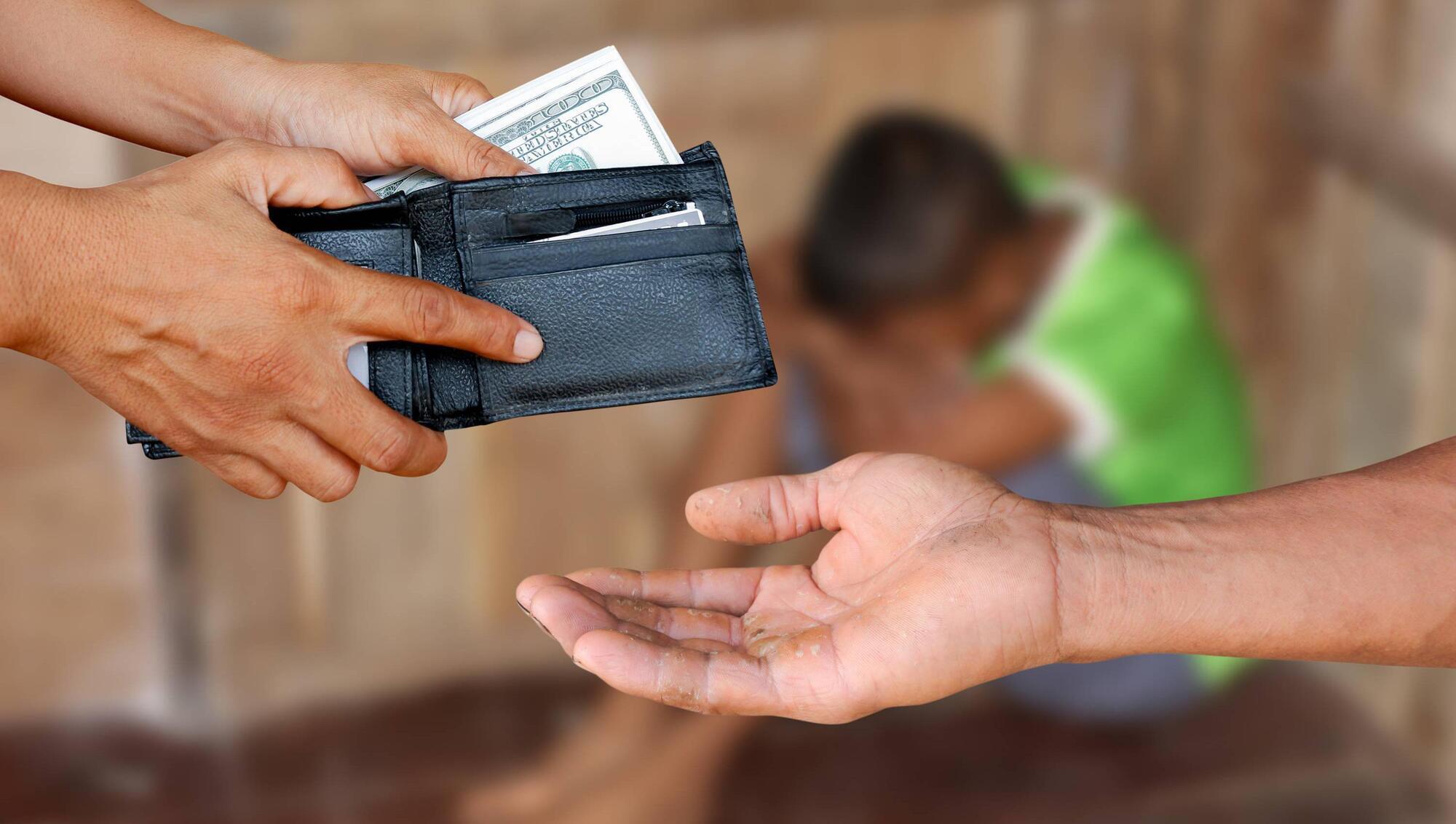
There were 18 children identified as victims of human trafficking in Ireland last year. They are among 38 children who have been identified as victims of the crime here since 2024.
In a shanty town in the Philippines, one building stood out. Set against a backdrop of homes made from cheap building materials and discarded items was an impressive standalone internet cafe, built of stronger, more lasting materials.
In a backroom of the brick building was a studio used for filming. It was to that building families came regularly, parents bringing their young children from their poverty-stricken homes to be filmed for Western men, who were paying to watch the children engage in sexual activities in a live stream.
For Mick Moran, now the chief executive of the Irish Internet Hotline, the knowledge of what was happening in that building, with the full involvement of the parents of young children, was an eye-opener.
During his visit to that village in 2011, he was a Garda on secondment to Interpol, working against human trafficking.
He uses that visit to highlight what has become known as remote child sexual abuse, including during a seminar on the use of technology in human trafficking in Cork last week.
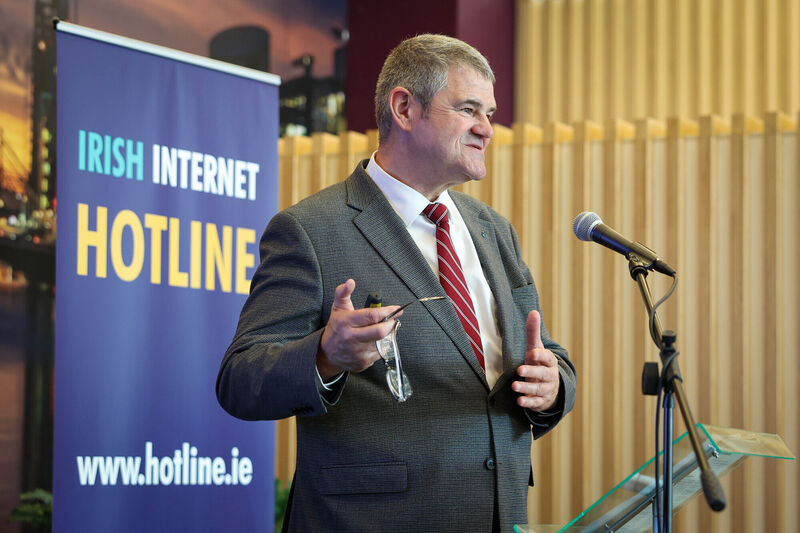
“This cannot take place without the internet, ICT, webcams, and the exploitation of poverty and vulnerability — and that is remote child sexual abuse" he said. "It is a very difficult crime, and we have had only a couple of convictions here in Ireland in relation to remote child sexual abuse.
He said this typically occurs in parts of Asia, including the Philippines and Cambodia, as well as Vietnam. He explained payment is made through online payment systems.
“The vast majority of the offenders [the paying customers] come from Ireland, England, Canada, the US, the European Union.”
Read More
He said the family member could be paid a fee and told what abuse is to be carried out on the child on camera.
“Law enforcement is very challenged with this one because it is live-streamed, so there is no evidence unless the person records it themselves.”
While it typically happens when a person is based in Ireland and viewing through the internet, there have been examples of Irish people travelling to areas of Asia to engage in sexual abuse of children.
Mr Moran points to the case of Irish man Kieran Creaven, who filmed himself sexually abusing a young child in the Philippines while other children were in the room. In that case, the identity of the victim was never established.
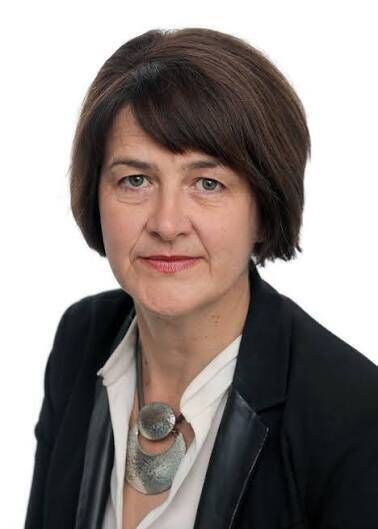
Outgoing UN special rapporteur on human trafficking, Siobhán Mullally, said: “Trafficking is a serious human rights violation, but it is also a serious crime and where a child is involved as a victim, it is an aggravating circumstance, and that needs to be recognised. It is the same whether it happens through the use of technology or not.
"As a State, we have a responsibility that there is effective action to criminalise what is happening with regard to the perpetrator who is here in this State, or where the technology company or the platform that is facilitating it is domiciled and registered here.
"There also needs to be identification of the victim, assistance and support given in that follow-up, and that means international cooperation with a prioritisation of the rights of the victim as well.”
Closer to home, there were 18 children identified as victims of human trafficking in Ireland last year. They are among 38 children who have been identified as victims of the crime here since 2024.
Project manager with anti-trafficking organisation Mecpaths JP O’Sullivan said it “gets phone calls from social care workers who have concerns about vulnerable young girls in particular arriving back to residential care units with expensive handbags, make-up they can’t afford, vouchers, perfumes, and new clothes, of which they cannot explain the source".
He added social care teams also worry about “the young lads in their caseloads who have scooters, hoodies, tracksuits and mobile phones and the community respect of their peers and don’t know how to explore the potential exploitation behind the rewards they carry proudly”.
He said there was a language of blame laid at the feet of young people, including “absconding from care”, “risky sexual behaviour”, “thugs”, “young offenders”, and “scumbags”.
But he said “children never present with risky sexual behaviour — they are raped, they are abused, and they are trafficked for exploitation”.
He added: “We have to keep in mind the definition of child trafficking; we have to keep in mind that whilst the State may be challenged in arriving at prosecutions for child trafficking, that is not a child’s responsibility. It should not be a child’s burden to assist in securing a prosecution, as per the recent Fagin’s Law requirement.”
The Criminal Justice (Engagement of Children in Criminal Activity) Act 2024 — known as Fagin’s Law in reference to the character in Charles Dickens ' Oliver Twist who recruits children as thieves — was introduced in May 2024.
It makes it an offence for an adult to either force or encourage children to engage in criminal activity.
Those found guilty of the offences could face imprisonment of up to 12 months on summary conviction, and up to five years on indictment.
However, the legislation has been criticised because it requires the child victim to give evidence against the accused.
Mr O’Sullivan said: “It is a child’s right to be safeguarded by the State, and to be safeguarded from exploitation and trafficking.”
He said the “vast majority” of child victims identified in Ireland last year were Vietnamese, a trend which has also become evident in adults, according to Detective Superintendent Derek Maguire from the Garda National Protective Services Bureau.
Detective Superintendent Derek Maguire of the Garda National Protective Services Unit said: “In 2025, there was a huge increase in Vietnamese — that has continued into 2026. Our main nationality used to be Nigerian, predominantly in the sex industry. That is now overtaken by Vietnamese and Southeast Asians. Some are in the sex industry but also some in labour exploitation and forced criminality. I am talking adults and children.”
He said children were also used to carry drugs on public transport “but it is very hard to recognise and identify”, particularly in Ireland.
He pointed to nail bars as also being used for labour exploitation of Vietnamese and Southeast Asians, while the carwash sector is also suspected of being used by traffickers for forced labour.
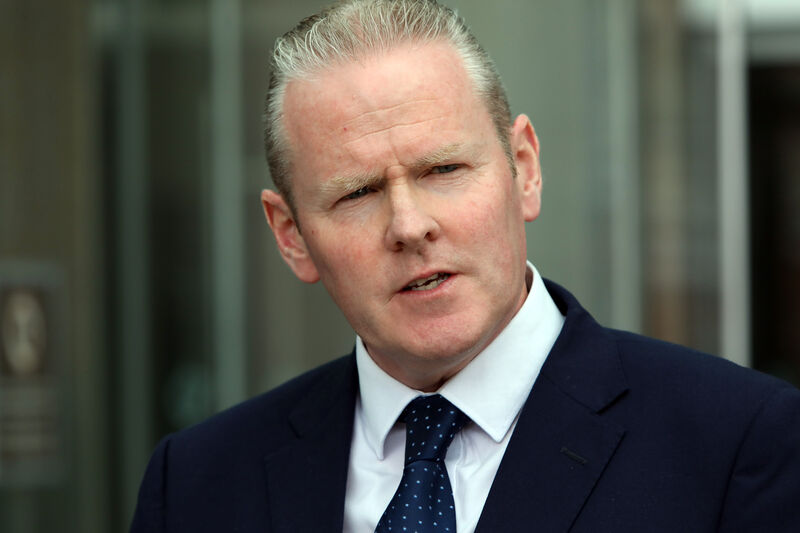
He said in the area of sexual exploitation, some do know they are travelling to Ireland to work in the sex trade but “others don’t”.
He added however, even in cases where people do know, “everything changes when they arrive here — their identity documents are taken, their finances are controlled, they are told where to go and what to do, how long to work for, no days off, moving around Ireland".
While human trafficking convictions in Ireland are rare, he cited a recent court case in Donegal where two men were convicted of the crime. Georgijs Poniza from Latvia and Armen Pogosyan from Uzbekistan, but of Armenian nationality, pleaded guilty to human trafficking, money laundering and forgery offences between December 2020 and October 2023. Both men were sentenced to 13 years in prison, with the final two years suspended for Pogosyan.
Mr Maguire said the victims told gardaí they worked in horrendous conditions but said “it was better than what they came from”. They initially did not realise they were victims of human trafficking. The traffickers were acting as agents, telling companies they could find employees.
“They were targeting vulnerable people with addiction issues in their own country, bringing them over, keeping them in captivity and beating them regularly. Those two people pleaded guilty, which was very rare.”
Mr Maguire urged people to be the “eyes and ears” of the gardaí in their communities and be alert for anyone who may be the victim of human trafficking.
“There are 80 people advertising sexual services in Cork today — that is happening in your community,” he said.
- If you are affected by any of the issues raised in this article, please click here for a list of support services.

CONNECT WITH US TODAY



Be the first to know the latest news and updates