'It doesn't feel like it can get any worse': How Irish families in Cuba are navigating a country in crisis
'Everyone wanted to come to Cuba. Everyone was making money.'
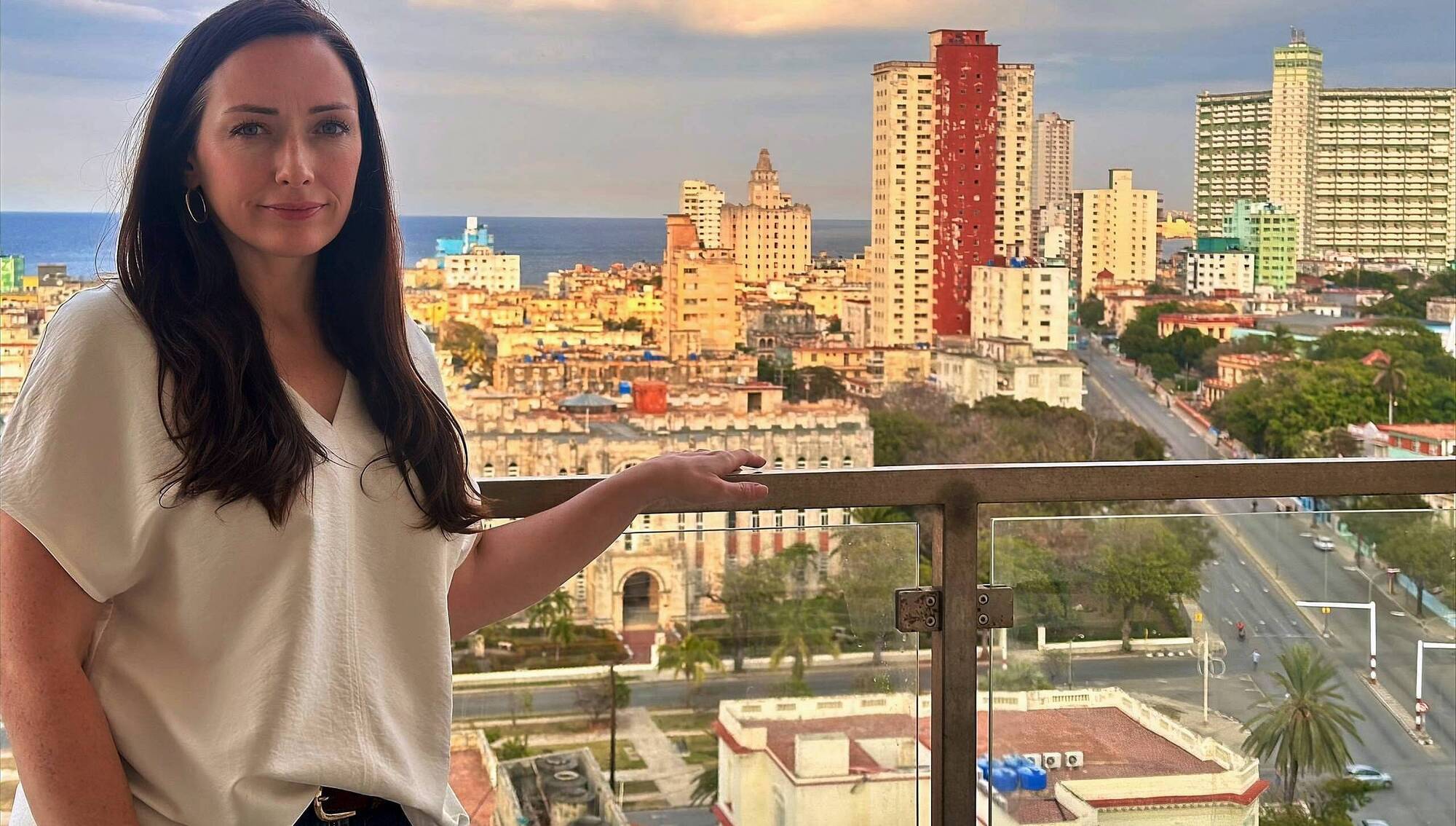
“I came in 2015 and you couldn't keep up with the work,” says Rita McNiff, who lives in Havana’s Vedado neighbourhood with her partner Jeff and their young daughter.
“Everyone wanted to come to Cuba. Everyone was making money. All of a sudden there was this amazing middle-class emerging.”
After that first visit to Cuba, McNiff returned to New York where she was raised by two Irish parents from Drumkeeran, Co Leitrim. “We spent two months every summer in Ireland on my granny's farm.“
McNiff posted a few pictures from her Cuba trip online and said everyone she knew was asking her questions about how to visit.
The Caribbean island experienced a tourism boom after relations with the US were normalised under US President Barack Obama and Cold War-era relations thawed.
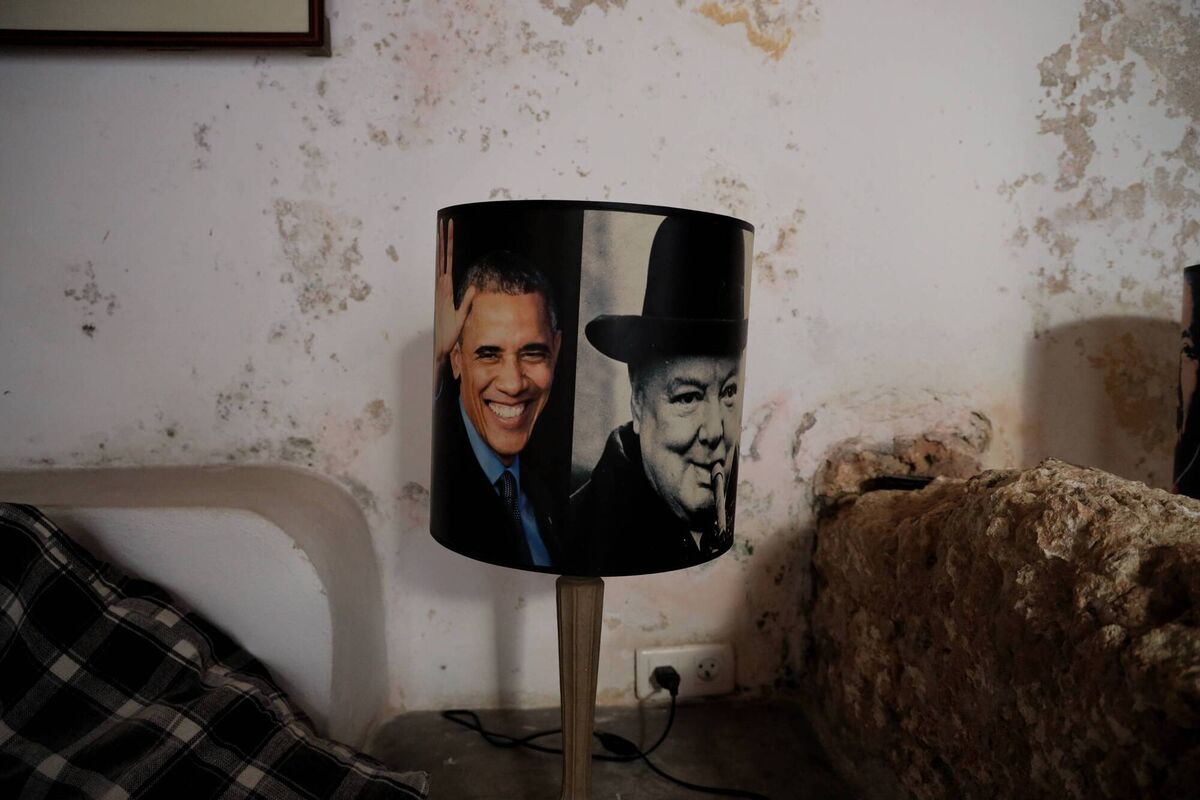
“Before I knew it, I was back in Cuba because [my Cuban friend] was so overwhelmed with everything that was going on and all the clients that were coming,” says McNiff.
Osniel Diaz, a 34-year old Cuban who drives 1950s vintage cars for tourists visiting Havana, looks back fondly on “the Obama years” from 2015-2016 when he used to make $300-$400 per day.
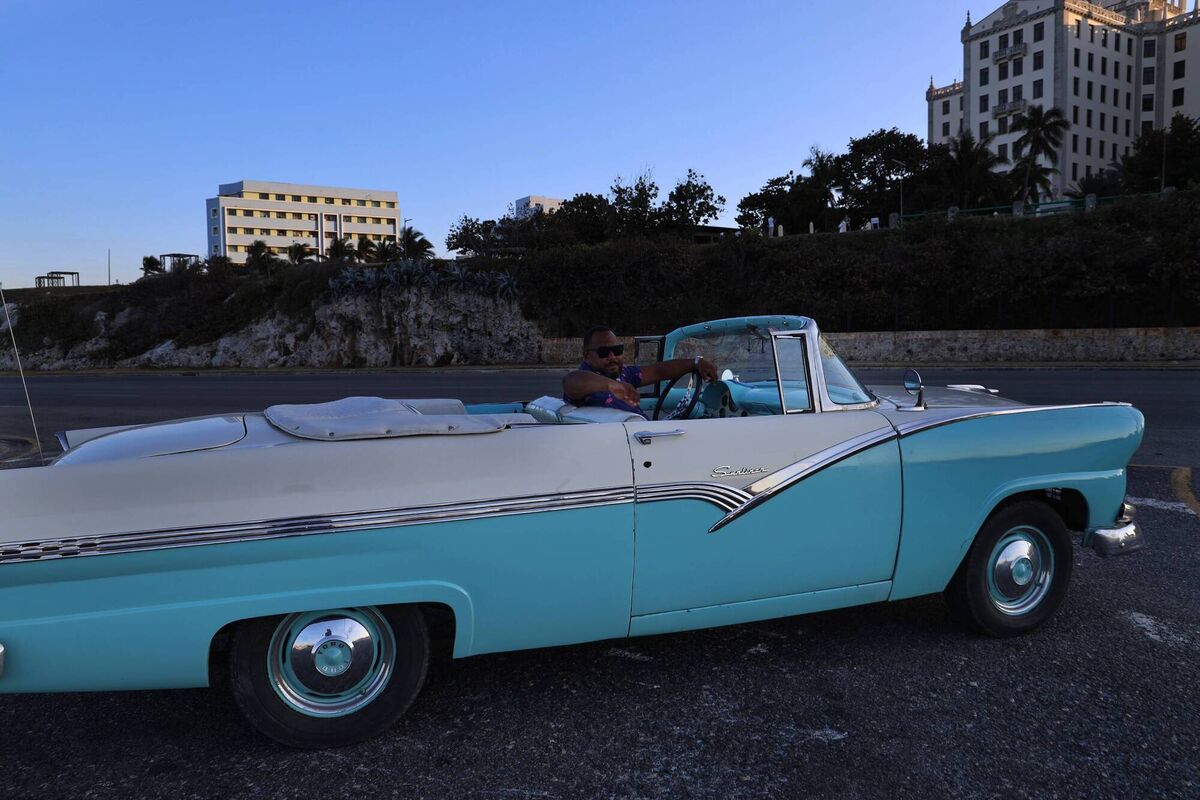
“Americans and Europeans like the same things,” says Diaz. “The only difference is the Americans pay more.”
The tourism boom started to slow under measures imposed by Obama's successor as US president, Donald Trump, while the covid-19 pandemic dealt the sector another blow.
Before the pandemic, Lauren Martin, 35, a single mother of one, was earning around $20 per day at a souvenir store. “There was lots of tourism, lots of parties, and lots of money for food.”
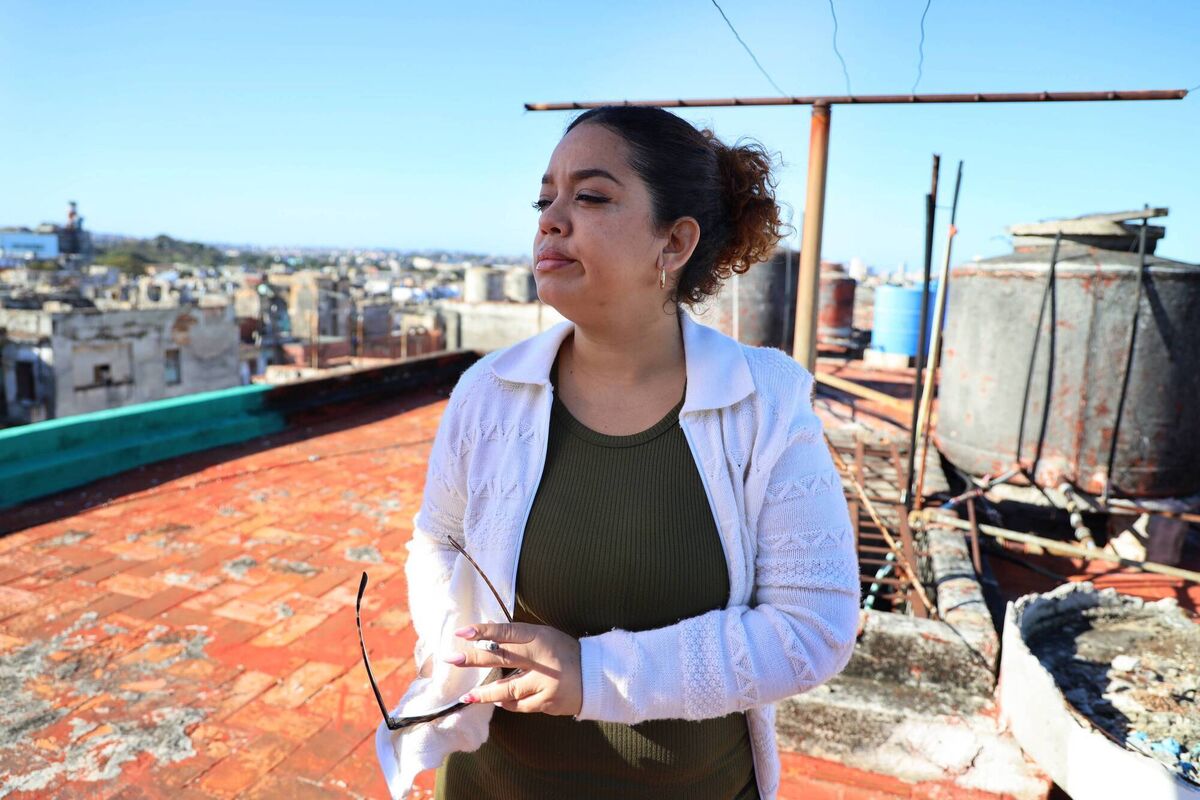
After tourism dwindled during the pandemic, she is now earning around $3 per day working at a fashion and hair store while raising her six-year-old son on her own, without any help from her mother, who died in 2022.
“Living here as an adult without children or pets or anything is difficult,” she says. “With a child, it’s worse.”
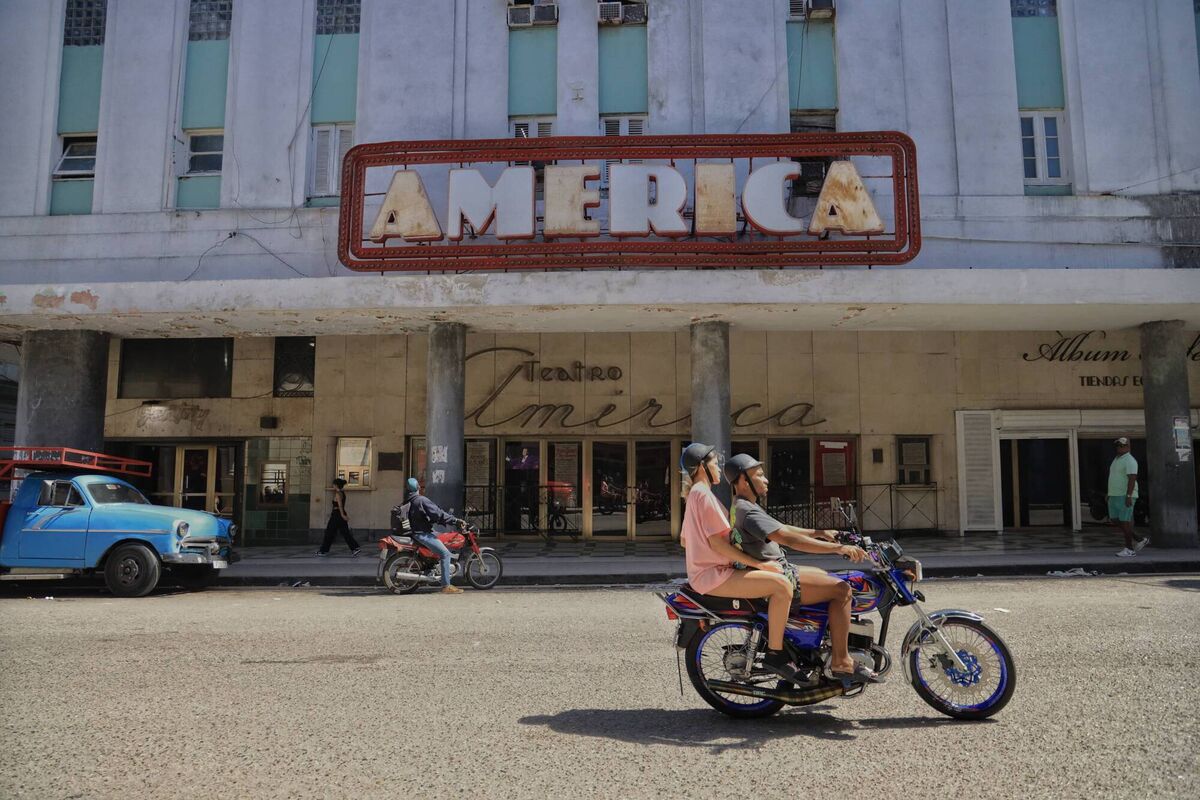
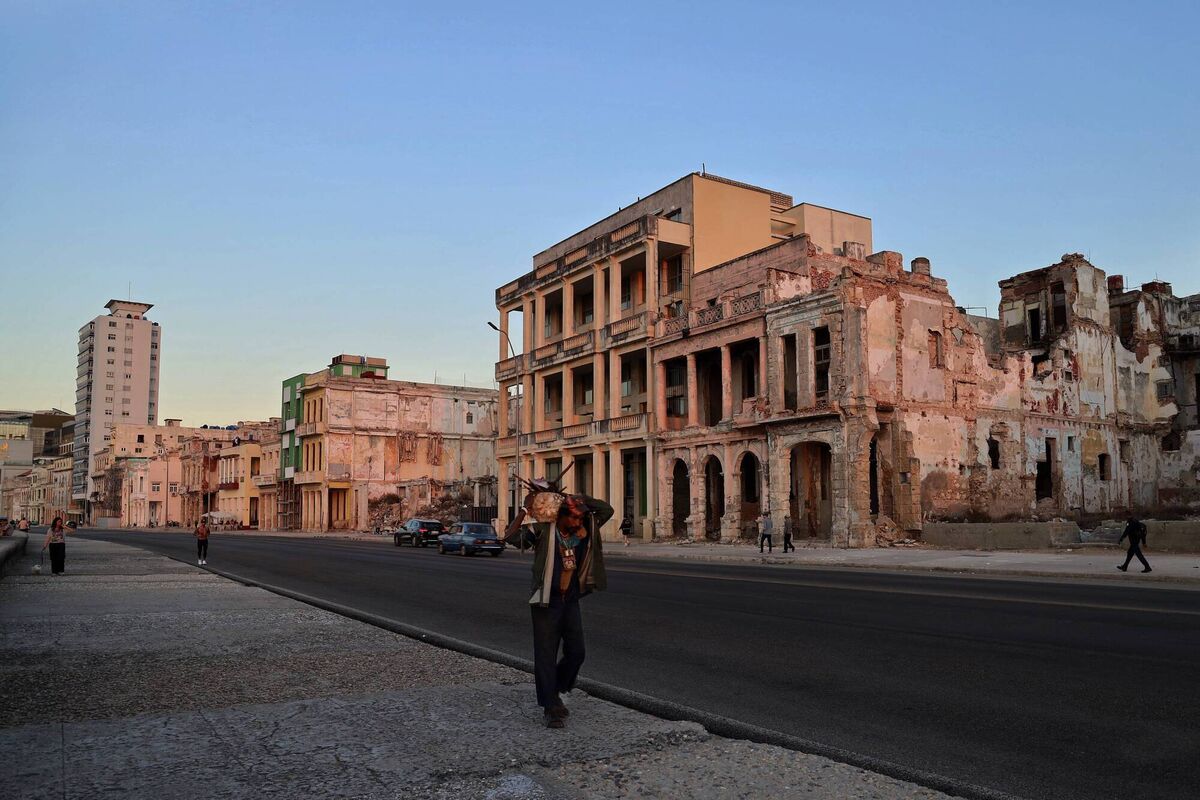
McNiff says there has been a gradual deterioration in recent years, with increasing blackouts across the country.
“People really suffered last summer,” she says. “The heat was crazy, and there were a lot of blackouts.”
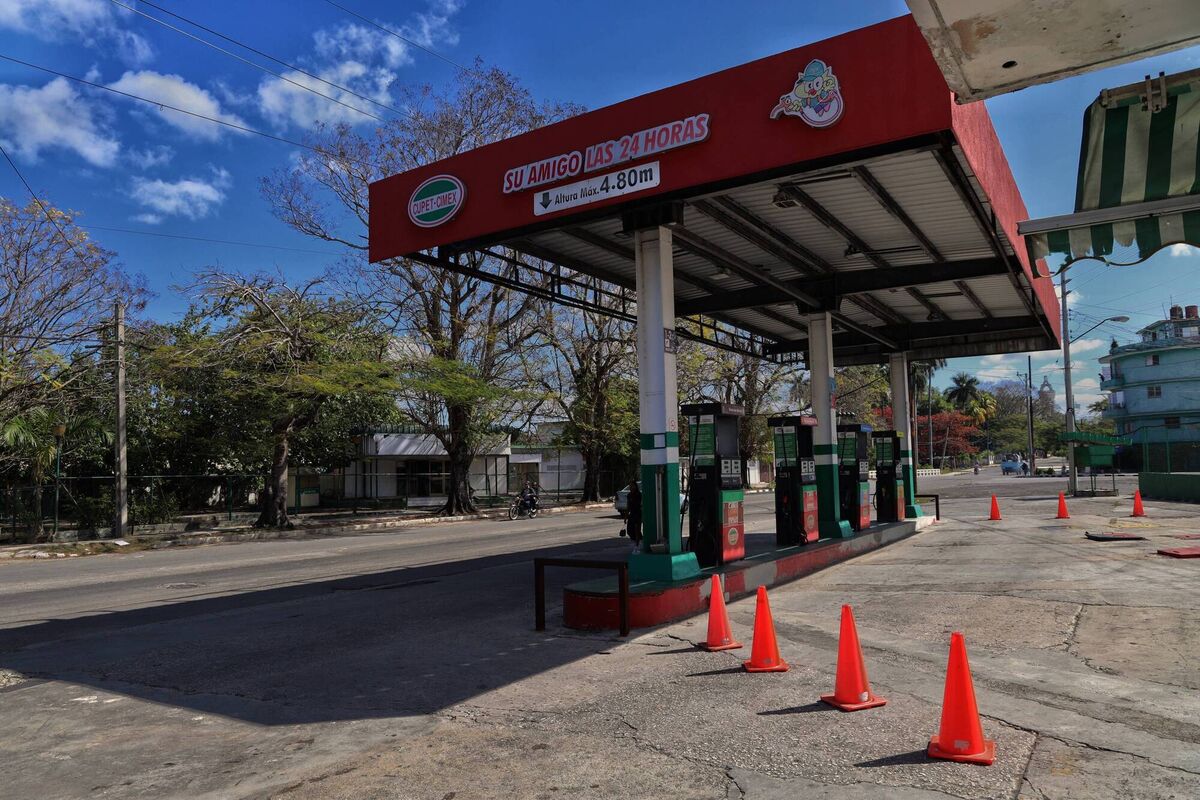
The fuel crisis appears to be worsening, with some black market sellers now charging close to €8 per litre, says McNiff, who recently closed down the bar and art space she ran with her partner.
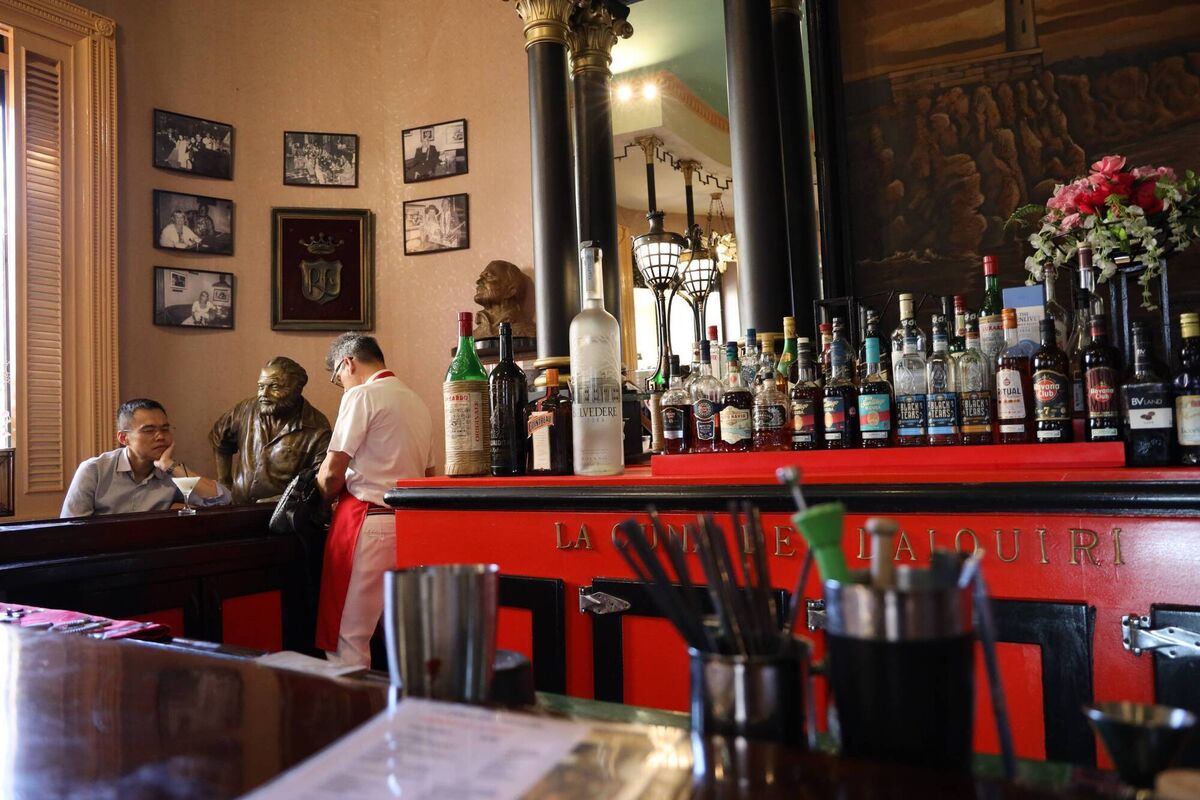
It was where the couple welcomed Ireland’s ambassador to Mexico (who is accredited to Cuba) in 2024. "We plan to open when things get better."
McNiff's daughter attends one of the few private schools in Havana which caters to foreign citizens and diplomats.
“A few of the families have already left,” she says. “This week, there was another wave of goodbye parties with the kids...
"Some families have said they’re aiming to get through the school year but said ‘we're not coming back next year'.
"There's just so much uncertainty. Nobody knows how this is going to go,” says McNiff, who says she will go to Leitrim if she needs to evacuate.
“My family called the other day and said there's room in the local school,” says McNiff, adding that she would not return to the US — “the States is just nuts.”
Her daughter’s classmates include Cubans whose families returned from abroad to set up businesses during the rapprochement under Obama.
“The Cubans who came back to build these businesses were giving Cuba a second chance, and they were excited by this new sector of private businesses opening up,” says McNiff.
“They were coming back with energy to restart their lives in Cuba, and I think this has been the breaking point for a lot of them.”
"The Cuban people are tired, everything is a battle," says Mairéad Maguire, an Irish teacher living in Havana.
"Cuban schools will perhaps have to shorten the school week as they cannot provide lunches, and possibly shorten the school year. Universities are struggling to hold classes.
"I have heard of teachers being bussed in from the provinces to give classes but they themselves are in urgent need of aid."
Free healthcare and well-trained doctors have long been a point of pride for the increasingly authoritarian Cuban government which has governed according to a socialist ideals since 1959, while faced with wide-ranging US economic sanctions.
McNiff says: “The whole medical system has collapsed.”
When she accompanied her partner for routine ear surgery last week, the hospital staff told the couple they’re not doing surgeries any more “unless it's life or death” because they don’t have supplies.
“Anyone who is taking regular heart medication or blood pressure medication or [who has] diabetes are in a very dire situation at the moment,” says McNiff.
“Medicine is not affordable, by any means, to anyone who's a normal Cuban.”
“Sometimes I have to choose between food and medicine,” says Teresa, aged 55, who works at the Gorria Workshop and Gallery in Old Havana and has a brain tumour.
“I have to work, even though I have a medical condition.”
She pays $13 every month for several injections to manage her condition. Teresa says she receives little attention at the hospital in Havana that she attends unless she brings “a little gift, like two soaps” for the doctor.
She would like to help her daughter who is planning to emigrate to Mexico with her only granddaughter, but Teresa says she has no money left after buying her medicine each month.
When Cubans require treatment for prostate cancer, the medication is often purchased for thousands of dollars in Miami and flown to Cuba.
On a recent phone call, a relative of McNiff’s partner said her grandfather died after not taking medication for his high blood pressure for six months. “He gave up buying it because it was either that or put food on the table.”
As the supply of imported medicine dwindles, state pharmacies are stacking their shelves with medicinal medicine manufactured in Cuba such as tinctures of canandango which is used to treat cancer, diabetes and urinary tract infections, despite a lack of scientific evidence.
McNiff says her friend’s sister, who had a high-risk pregnancy, had to travel from one hospital to another while in active labour, as the first hospital she attended had no room for her.
“Luckily, they had money to get a taxi and it was before this latest gas crisis,” says McNiff. “When they arrived [at the hospital], they had to pay off somebody just to get her seen.”
There was one woman in labour who had been advised that she would require a caesarian section to deliver her third baby.
“They were not attending her at all," says McNiff. "They were only attending to people who were paying, and this woman had no money.”
“People are crying out for a change and they're looking to their government for help,” says McNiff.
Cubans want “an economic shift that makes their lives better, because it just doesn't feel like it can get any worse.”
Maguire says: "Cubans are hopeful of a change to how life has been the last 60 years."
She notes that protests against the government of Miguel Díaz Canal are happening more frequently due to the lack of electricity.
Belfast rap trio Kneecap announced this month that they are joining an international 'Nuesta América' aid convoy to Cuba.
Kneecap wrote on Instagram: “The Cuban Revolution is a beacon of hope. Since 1959, Cuba has supported national liberation movements around the world — while sharing its medical expertise with over 130 nations.”
The rap group said: “The Trump administration is strangling the island, cutting off fuel, flights, and critical supplies for survival.”
They said the convoy will "challenge Trump’s imperial aggression, defend national sovereignty and stand up for the cause of Cuban self-determination.”
“All that propaganda about the Cuban revolution is a big lie that has been maintained for more than 60 years,” says one young Cuban artist in Havana, when asked to comment on Kneecap’s post.
“We could spend years talking about the Cuban dictatorship and its influence on other countries that also ended up in misery.”
For many young Cubans, the only sustainable future they see is through emigration and many young couples’ romances have fractured under the strain of departures and long distance.
When Deyanira Novoa left Cuba to work as an au-pair in China, she struggled to maintain her relationship with her girlfriend Gabriel who remained in Havana studying architecture.
The 13-hour time difference and the frequent blackouts in Cuba made video calls difficult for the young couple.
“Usually, the calls happened when it was night for me and day for her,” says Novoa.
“The lack of electricity was also a problem because sometimes I wanted to talk to her and couldn't because there was no light.”
The couple broke up before reconnecting when Novoa returned to Havana at the end of last year.
Novoa plans to return to China this year while Gabriel is hoping that eventually they will live together in the same country and somewhere she can work as an architect.
“Many couples break up because one wants to leave and the other wants to stay,” says Martin.
“I’m focused on leaving and then we'll see where I want to go,” she says. “I have friends who have emigrated alone, and I'm going to as well.”


CONNECT WITH US TODAY



Be the first to know the latest news and updates