'We were treated for rape-related injuries and still sent back into his care'
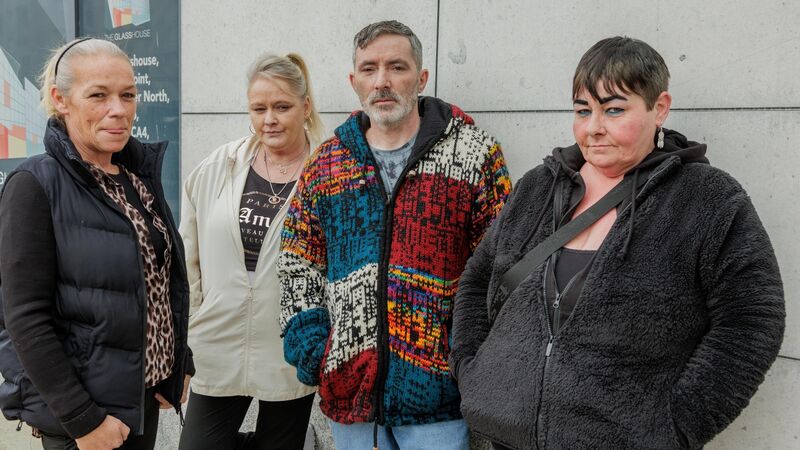
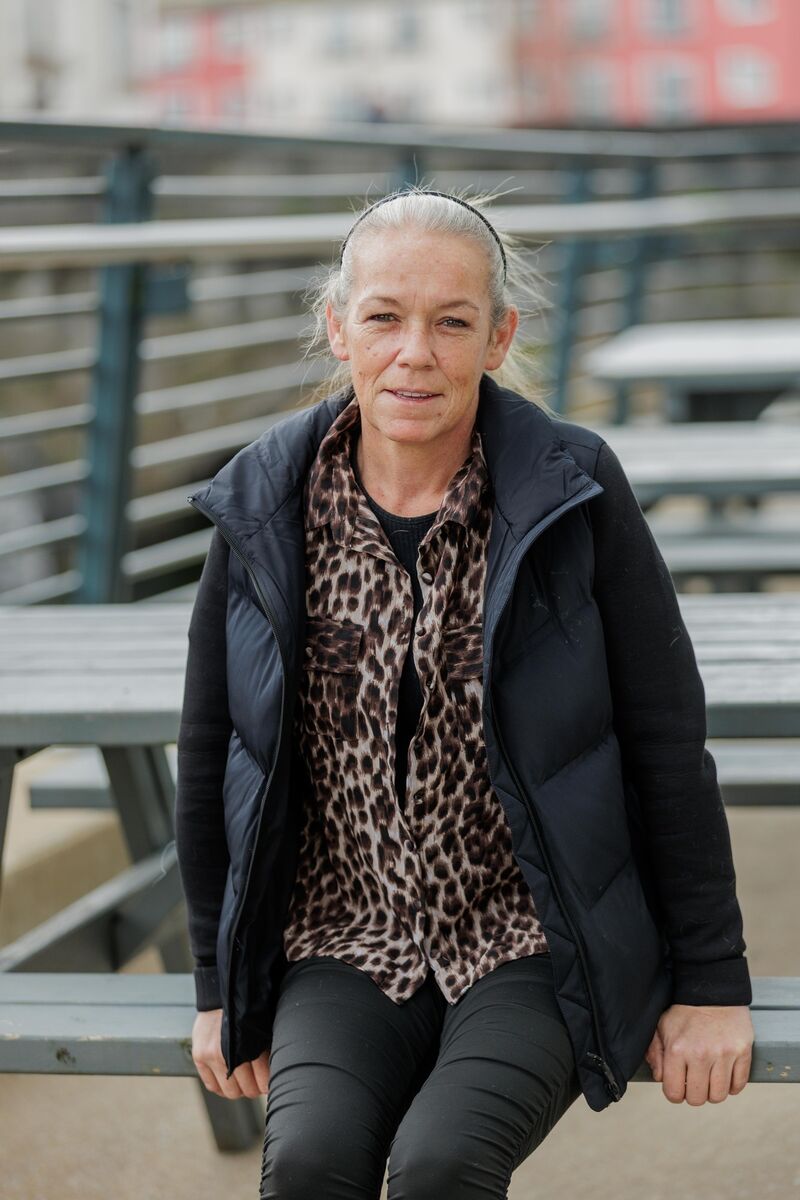
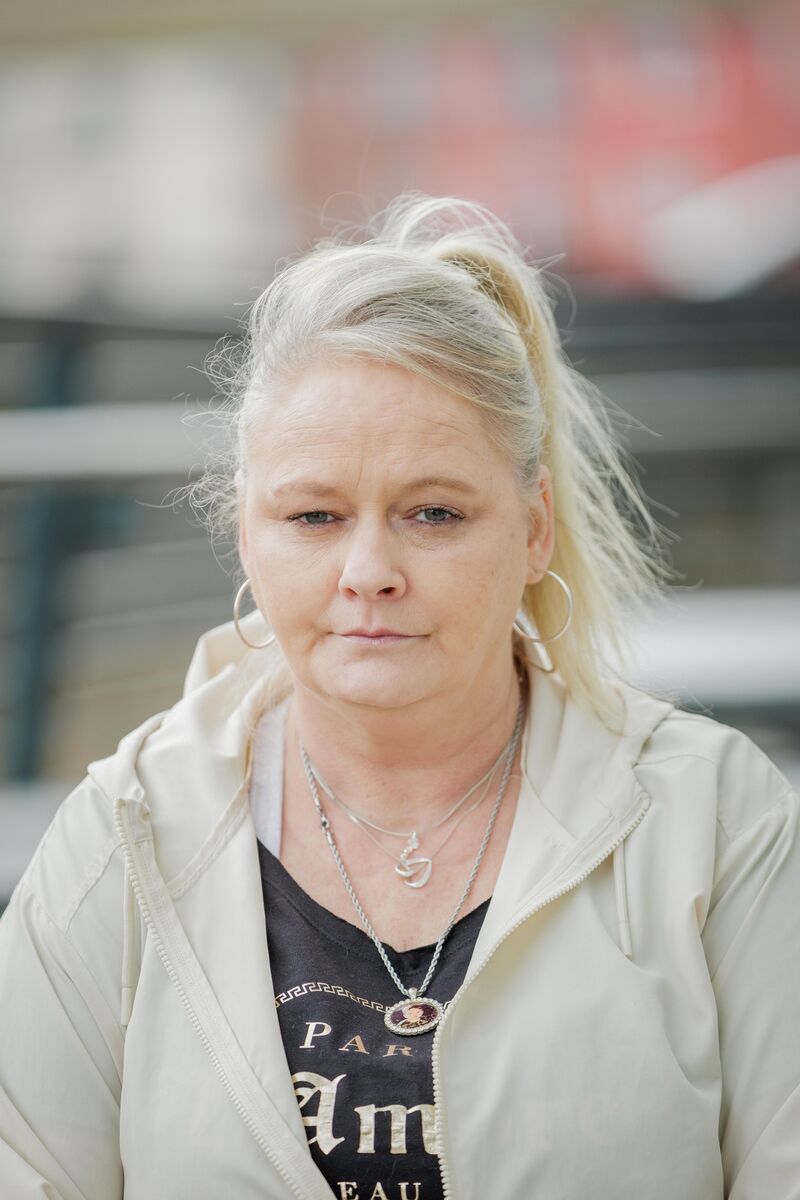
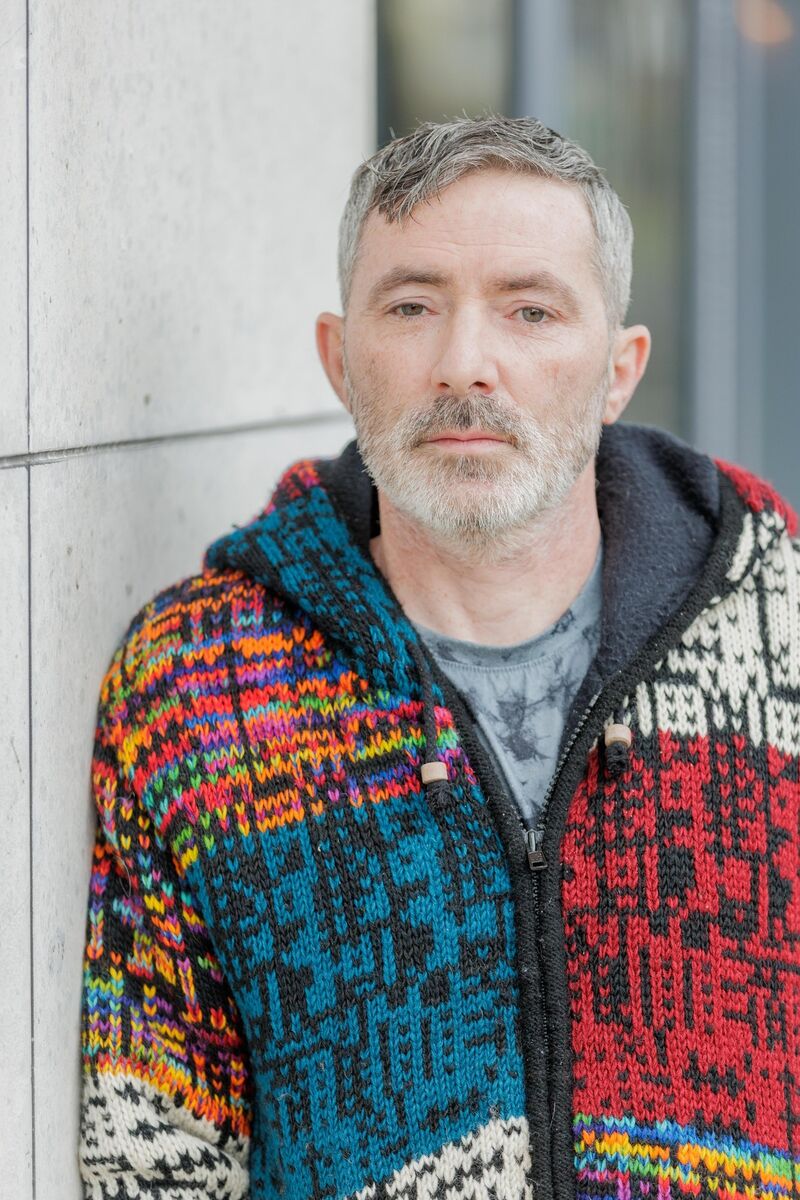
Siblings, Jessica, Helen, Christopher and Amanda Farrell, who suffered horrific abuse at the hands of their father in Sligo. Pictures: James Connolly
"We were treated for rape-related injuries and still sent back into his care.”
Those are the words of four siblings who say they fell through the cracks of the State that failed to protect them from years of sexual abuse, violence, and neglect at the hands of their father.
Last week, Noel Farrell, aged 70, from Co Sligo, was jailed for 20 years at the Central Criminal Court after pleading guilty to multiple counts of sexually abusing his children over two decades.
The court heard harrowing evidence of neglect, including the children often going hungry, being locked in a room for days and, at times, being forced to drink urine to survive. They were also subjected to rape, sexual assault, and digital penetration.
Farrell initially faced 109 counts of abuse but pleaded guilty to three counts of rape against three daughters, and 19 counts of indecent assault and sexual assault relating to all five complainants.
Four of his five victims — Christopher, aged 47; Jessica, aged 48; Helen, aged 50; and Amanda, aged 54 — have waived their right to anonymity so Farrell can be publicly named.
This week, they spoke to the , describing how opportunities to intervene “across the community” were repeatedly missed.
They say “nobody questioned anything”, not when they were missing from school, not when they were allowed out of care for weekends with their father, who was abusing them, and not even when they were treated in hospital for injuries from sexual assaults or violence.
“They just put it all down to our poor mother,” said Christopher, affectionately known as ‘Black’ from working on the coal rounds.
Today, all four live with the lasting impact of that trauma. Despite helping to put their “monster” father behind bars, their journey to recovery, they say, “is miles away".
“It doesn’t end with him going to jail,” said Jessica. “It’s only starting. I’ve never even been in therapy.”
Over a two-hour interview, the siblings — once “confused and frightened and not knowing we were being abused” — clearly described the suffering that still affects them to this day. They endure nightmares, waking in cold sweats, uncontrollable crying, depression, anxiety, suicidal thoughts, and self-harm.
All are on medication for severe mental health difficulties arising from what they describe as a childhood “in hell”.
Despite the challenges, they say they have some relief in finally finding their voices. Each sibling has processed their experiences differently, showing how sexual assault affects survivors in individual ways.
Jessica says that while she fully accepts that her father’s actions were wrong, she believes the State's failures were, in some ways, even more devastating. Over time, she tried to forgive him.
“I don’t hate him. I love my dad,” she said.
“But what he did was absolutely wrong. I made a statement because he didn’t admit what he did until the last minute. He should have been arrested back then when it happened, not now when he’s older. I did allow him back into my life when I got older, and we formed a bond.”
Her siblings accept her feelings, but they do not share them.
Sitting beside her, Helen pulled up the sleeves of her jumper to reveal scars from self-harm. She explained how, on one occasion, her trauma became so overwhelming she severed a major artery and had to be resuscitated.
“I hate him,” she said. “He messed me up hugely, and he deserves all he got.”
All four were taken into care as children, the abuse having occurred between the ages of two and 17. Amanda was the last to be taken into residential care at age 10, though the abuse began when she was five.
Life changed for the better once Amanda entered a unit in Dublin.
“Don’t get me wrong, I loved it,” she said. “It was the best place I ever went. I got to live as a child — that’s why I loved it.”
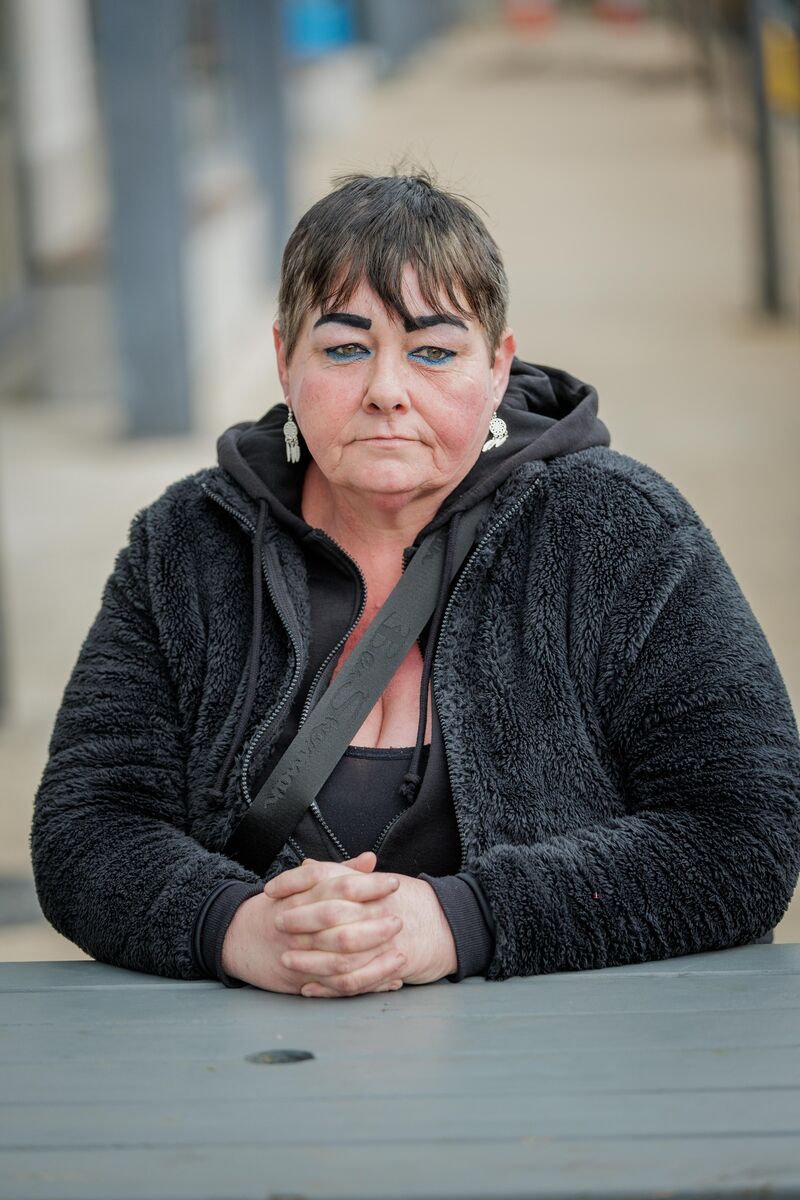
All three sisters were raped and abused. They dote on their younger brother Christopher, the “family peacemaker,” and agree he suffered the worst violence.
“There were loads of times I wanted to attack him,” he said of his father.
“But I didn’t. I don’t wish him harm, but my wife will tell you — some days I couldn’t get out of bed. I’d be awake all night. I’m on every medication you can think of.”
Christopher said he was frequently in trouble with gardaí when he was younger — a way of acting out.
Helen said she remained haunted by memories of hearing her brother screaming in his room.
“I didn’t know what it was,” she said.
“I was five. I know now he was raping him. That destroys me to this day. You always feel like you could have done something.”
Christopher always tried to reassure her. “He told me, ‘It’s not your fault,’” she said.
Though their feelings about their father differ, the siblings are united in their love for their late mother, Teresa “Tessie” Farrell.
The mother of 12 was a vulnerable lone parent when she first met Farrell, a musician.
“He married her to get to us,” Amanda said. “He knew exactly what he was doing. That’s how men like him operate.”
“Our home was a breeding ground for him,” said Christopher.
“Mam was badly struggling when she did try to speak out; she was very badly let down too,” said Helen. “Nobody would listen to her.”
“Nobody helped her,” added Christopher. “He plied her with drink to keep her sedated so he could rape and beat us.”
The siblings say people knew he was sexually abusing the children, but with a drink problem, it was easier for others to ignore her.
“She came home one day and caught him in bed with me,” said Amanda. “She phoned the guards, but it went nowhere. Nobody believed her. When she had a drink on her, she’d shout it out, but she was brushed off by everyone. She and Granny tried to help us.”
Whenever her name is mentioned, the siblings soften. They want their mother’s name cleared.
“She was a victim too,” Amanda said. “Of everyone who ignored what was happening to us, our mother did try.”
Tragically, Tessie died from alcoholism 17 years ago and was found with pneumonia and cirrhosis of the liver in an abandoned house in Sligo when she was just 54.
Sitting upstairs in a Sligo hotel this week, the siblings suddenly stood when the conversation turned to their mother, pointing out the window.
“That’s the house where she died,” they said quietly.
Jessica and Helen had gone to the property after receiving a phone call expressing concern for her. “The guards were there, and they said it was her,” said Jessica.
That memory still weighs heavily.
“He was a manipulator,” said Amanda. “He ruined her”.
They say it took years to understand the grooming process — isolating a child, filling them with affection, then abusing them.
“I was a daddy’s girl, so I didn’t know it was abuse,” Jessica said. “It was confusing. He was lovely at times, but he was always doing what he did."
“He told me that if I ever spoke out or told anyone, he’d kill them and come back and kill me,” said Helen.
They suffered in silence but decided to speak publicly after the sentencing, not only to ensure their father’s crimes are known, but to highlight what they believe were systemic failures that allowed the abuse to continue for years.
“We’re only finding our voices now,” said Christopher. “We want people suffering in silence, the way we did, to ask for help. There will be someone to listen. We’re online too — we want to help even one person.”
“Nobody did anything to tell us what was going on was wrong,” said Helen and Amanda.
“I don’t remember anyone sitting us down and explaining it to us,” added Jessica.
Instead, one by one, the children were taken into care from ages three to 10, Amanda being the last.
“We were dragged out of bed sometimes at midnight and put into different foster homes,” said Helen.
During that first referral to foster care, when Tessie saw her husband abusing Amanda, the siblings said they were all put back in the house afterwards.
But by 1981, they had all gone into care.
“We were locked up in care before he ever saw a prison cell,” said Jessica. “We never spent Christmas together. He was abusing the older ones and working his way down through the family, while we grew up learning how to survive. We’ve known each other at certain points in life, but we’ve never sat at a Christmas table as a family,” she said.
Helen added: “Even when our mam had supervised access to us in care, he was abusing us — and he could still take us out.”
As the children grew older, they ran away from care. Whenever they returned home, their father was still there — and the abuse continued.
They lived with their shame until eight years ago, when Christopher walked into Sligo Garda Station and said, “I need to talk to someone.”
“I was around 39,” he said. “I told the girls we had to do it. I couldn’t live like this anymore.”
Jessica had already confronted her father; he told her he had served two years in jail for the abuse — something she later learned was false.
“He never said sorry or showed any remorse. He only pleaded guilty at the end,” they all agreed.
“There was a sickness inside me keeping it all inside,” said Christopher. “I knew it was wrong. I reached a stage where I was either going to hang myself or take that first step. I was in the station for three days making a statement. The guards were lovely.”
That was the beginning of their path to some form of peace.
“We wanted him off the streets,” said Christopher. “I had to get it off my chest. I encouraged one or two more of them by trying to explain that everything that happened to us — everything we’re still dealing with — is because of him.”
Tusla and the HSE North West have been contacted.
- If you are affected by any of the issues raised in this article, please click here for a list of support services.


CONNECT WITH US TODAY



Be the first to know the latest news and updates