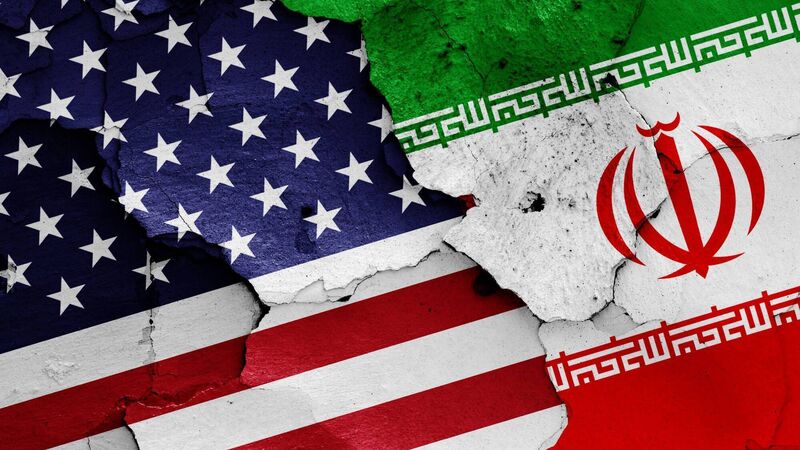
For more than four decades, relations between the United States and Iran have been defined by hostility, suspicion, and periodic confrontation.
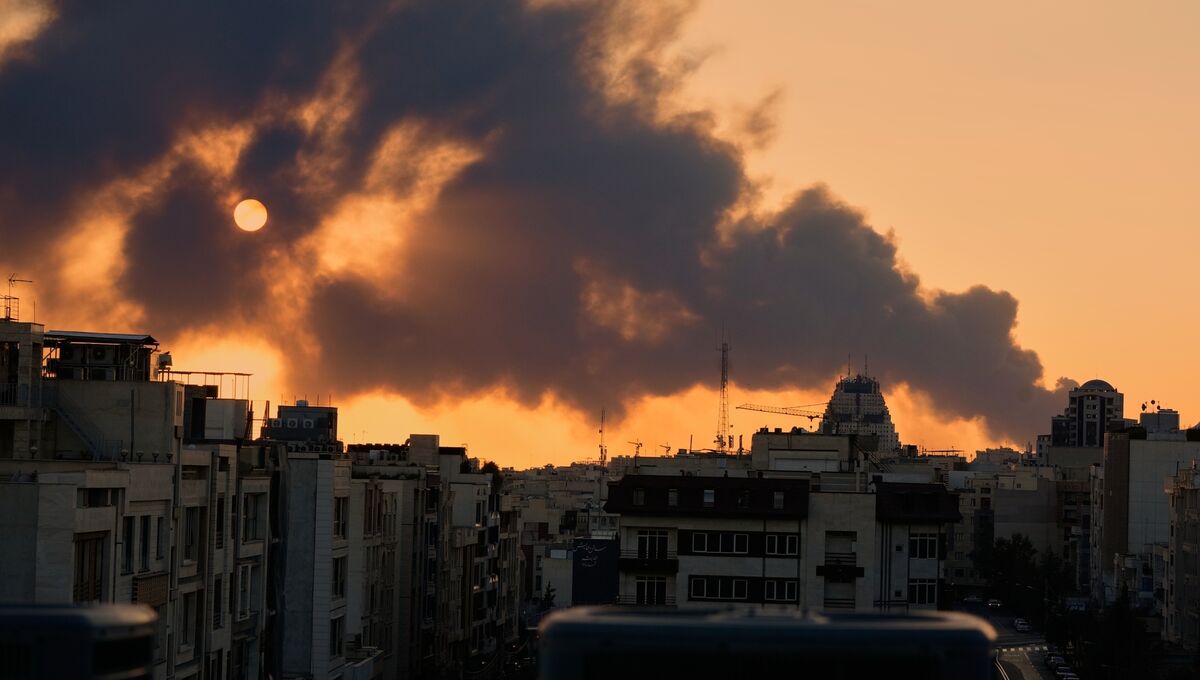
From sanctions and nuclear negotiations to proxy conflicts across the Middle East, the two countries have remained locked in one of the most complex power struggles in modern geopolitics.
Yet, this antagonism is relatively recent in historical terms. As late as the mid-20th century, Washington and Tehran were close allies, bound together by Cold War strategy, oil interests, and shared opposition to Soviet influence.
The shift from co-operation to confrontation was not the result of a single event but a sequence of turning points — most notably the 1979 Iranian Revolution and the hostage crisis that helped reshape American politics at the end of Jimmy Carter’s presidency.
To understand how the relationship deteriorated so dramatically, it is necessary to go back well before the revolution that transformed Iran in 1979.
American involvement in Iran dates back to the early 20th century, but it intensified after the Second World War.
Iran’s geographical position — bordering the Soviet Union and sitting astride vital oil routes — made it strategically significant to Washington as Cold War rivalries took shape.
Covert operation
That strategic importance became clear in 1953. Iran’s prime minister, Mohammad Mossadegh, had nationalised the country’s oil industry, challenging British interests, and alarming Western governments already wary of instability near the Soviet border.
In response, the CIA and British intelligence helped orchestrate a covert operation that removed Mossadegh from power and strengthened the authority of Shah Mohammad Reza Pahlavi.
For Washington, the coup ensured that Iran remained firmly within the Western sphere during the Cold War. Over the following decades, the US supplied military equipment, economic assistance, and political backing to Pahlavi’s government.
By the 1970s, Iran had become one of America’s most important partners in the Middle East. It acted as a regional counterweight to Soviet influence and a major supplier of oil.
However, the alliance masked deep tensions inside Iran. Pahlavi’s rule became increasingly authoritarian, relying heavily on the security services to suppress dissent. Rapid economic and social change created political strains that left many Iranians alienated from the monarchy and suspicious of the country’s close ties with Washington.
Those pressures erupted in the Iranian Revolution of 1979. A broad coalition of clerics, secular activists, students, and workers mobilised against the Pahlavi’s regime, leading to months of mass demonstrations and political upheaval.

When Pahlavi left Iran in January 1979, the revolutionary movement quickly consolidated around the cleric Ayatollah Ruhollah Khomeini.
The revolution also marked a decisive shift in Iran’s foreign policy outlook. The new Islamic Republic was founded partly on opposition to foreign influence in Iran’s politics, particularly that of the US, which many revolutionaries associated with decades of support for Pahlavi.
For Washington, the sudden collapse of a key regional ally was a strategic shock. However, the relationship deteriorated even further later that year in an event that would permanently scar relations between the two countries.
In November 1979, Iranian students stormed the United States embassy in Tehran. They took 52 American diplomats and staff hostage. The students demanded that Pahlavi, who had travelled to the US for medical treatment, be returned to Iran to face trial.
The crisis lasted 444 days and dominated international headlines. For Iran’s revolutionary leadership, the seizure of the embassy symbolised defiance against what they saw as decades of American interference in Iranian affairs. For Americans, the images of blindfolded diplomats and nightly television updates created a powerful sense of national humiliation.
Maintaining pressure to release hostages
The hostage crisis quickly became the defining foreign policy challenge of president Jimmy Carter’s administration.
Carter devoted enormous diplomatic and political effort to securing the hostages’ release, working through international intermediaries while attempting to maintain pressure on Tehran.
In April 1980, the US attempted a daring military rescue mission known as Operation Eagle Claw.
The operation ended in disaster in the Iranian desert. Helicopters malfunctioned and a collision between aircraft killed eight American servicemen. The failed mission further deepened the sense of crisis surrounding the standoff.
As the ordeal dragged on into the 1980 presidential election year, it increasingly overshadowed Carter’s presidency.
Nightly news broadcasts tracked the number of days the hostages had been held, turning the crisis into a daily reminder of American impotence abroad.

The hostages were finally released on January 20, 1981 — the day Ronald Reagan was sworn in as president — following the signing of the Algiers Accords.
Although Carter’s defeat in the 1980 election had multiple causes, the prolonged crisis played a significant role in shaping public perceptions of his leadership. Relations between Washington and Tehran remained hostile throughout the 1980s.
Iran’s revolutionary government frequently denounced the US as the “Great Satan,” while American policymakers increasingly viewed the Islamic Republic as a destabilising force in the Middle East.
Yet, geopolitics sometimes produced unexpected contradictions. During the Iran–Iraq War, which began in 1980, the US tilted toward Iraq under Saddam Hussein.
At the same time, however, elements within the Reagan administration quietly explored back-channel contacts with Iran.
Iran-Contra affair
Those efforts eventually evolved into what became known as the Iran–Contra affair. Beginning in 1985, senior US officials secretly facilitated the sale of weapons to Iran despite an existing arms embargo.
The plan was partly intended to encourage Iranian assistance in securing the release of American hostages held by militant groups in Lebanon.
The operation became far more controversial when it emerged that profits from the weapons sales had been diverted to fund the Contra rebels in Nicaragua, who were fighting the country’s left-wing Sandinista government. Congress had explicitly prohibited such funding.
When the scheme became public in 1986, it triggered one of the most significant political scandals of the Reagan presidency. Congressional investigations revealed the extent of the covert network involved, raising serious questions about executive authority and oversight.
Although Reagan maintained he had not authorised the diversion of funds, the affair damaged the credibility of his administration. It underscored the complexities of dealing with Iran even during periods of official hostility.
Iran has remained central to American foreign policy calculations for several reasons. Geography is one of them. The country sits at the crossroads of the Middle East, Central Asia, and the Persian Gulf, close to some of the world’s most critical energy routes.

Its size and population also make it a major regional power. With more than 80m people and a long history as a dominant state in the region, Iran plays an influential role in political and military developments across the Middle East.
Since the revolution, Iran’s leadership has frequently positioned itself in opposition to American influence in the region
Support for groups such as Hezbollah in Lebanon, the Houthis in Yemen, and various militias in Iraq has been a continuing point of contention with Washington.
Iran’s nuclear programme has added another layer of tension in recent decades. Western governments have long feared that Iran could eventually develop nuclear weapons capability, while Iranian officials insist their programme is intended solely for civilian energy purposes. (The International Atomic Energy Agency assessed that Iran does not currently have a nuclear weapon).
Years of negotiations produced the 2015 nuclear agreement, known as the Joint Comprehensive Plan of Action, although the US withdrew from the deal in 2018.
The antagonism between Iran and the US is therefore rooted in overlapping historical experiences that continue to shape how each country views the other.
For many Iranians, the memory of the 1953 coup remains a powerful symbol of foreign interference in their political system.
For Americans, the hostage crisis of 1979 remains a defining moment in the breakdown of relations and a reminder of the dangers posed by revolutionary upheaval in the region.
More than four decades after the revolution, mistrust between the two governments still runs deep.
While the circumstances that first drew Washington’s attention to Iran — from Cold War strategy to modern concerns about regional security and nuclear proliferation — have evolved over time, the country’s importance in American foreign policy has never entirely faded.
The result is a relationship defined as much by history as by current events, one in which past grievances continue to influence present calculations on both sides.

Cancel anytime
CONNECT WITH US TODAY
Be the first to know the latest news and updates