The search for the Irish women who have gone missing in the Vanishing Triangle
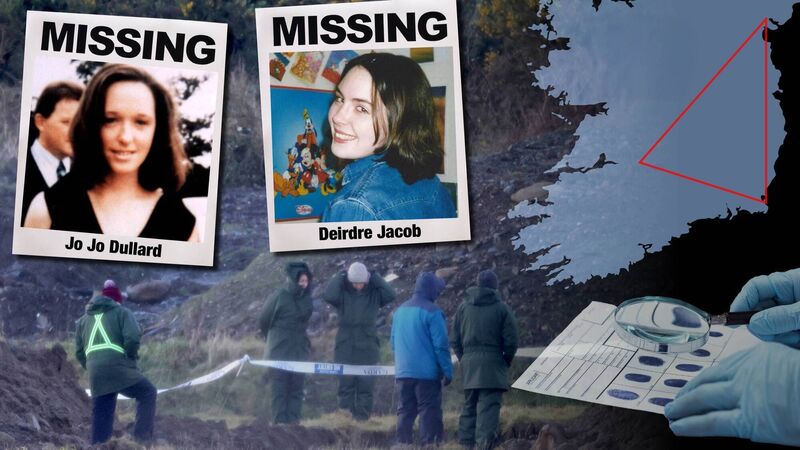
The term ‘Vanishing Triangle’ has been applied by the media to the part of Leinster from where the women disappeared in the 1990s.
Patricia Doherty was the first to vanish. The 30-year-old mother-of-two, who worked as a prison officer in Mountjoy Jail, disappeared two days before Christmas 1991.
She had earlier spent much of that day purchasing presents in The Square shopping centre in Tallaght. It was six months later that a man out cutting turf in the Dublin mountains found Patricia’s buried body.

She was identified by dental records and rings she wore. Her front door house key was found close to her body. Patricia was one of two women whose bodies were recovered six months after they had vanished.
The other case was Marie Kilmartin, who disappeared from Portlaoise in mid-December 1993. For 176 days Marie’s body lay submerged in a watery grave. A large concrete block which her killer had placed on top of her chest, ensured her body stayed rigid beneath bog water at a remote spot on the Laois-Offaly border.
Just like Patricia Doherty’s case, Marie Kilmartin’s body was only found by chance during turf cutting. Just like Patricia’s case, Marie’s case remains unsolved. Marie’s daughter Áine continues to campaign for the State to do more to solve her mother’s case and all such cases.
The other six women to vanish in unexplained circumstances in the 1990s have never been found. They are all murder cases, gardaí now acting on the belief that all six missing women were killed and their bodies hidden in places which have never been located.
The term ‘Vanishing Triangle’ has been applied by the media to the part of Leinster from where the women disappeared. I’ve never liked the term (I don’t know why), but I have come to accept it.
It’s true there is a geographical concentration of misery brought about by killers who have hidden their victims. If you link the dots that join Dundalk to Tullamore to Wexford and back to Dundalk, it does concentrate the mind.
Read More
Within that triangle not only did 17-year old Ciara Breen vanish from Louth, and expectant mother Fiona Pender disappear from Offaly, and mother-of-one Fiona Sinnott go missing from Wexford — but Annie McCarrick, Jo Jo Dullard and Deirdre Jacob also disappeared from within that shape.
Six women missing without trace, all murdered. Six killers getting away with murder, unless of course two or more of the cases are linked, and a serial killer was targeting women in the 1990s.
These troubling matters have long been parsed by gardaí, but it’s the families who have had to endure the decades of real turmoil.
I’ve written books and broadcast TV documentaries about these cases. It’s my job to try and sum up the enormity of the scandal that killers were able to roam Irish roads in the 1990s and abduct, murder and hide women.
I still struggle to find adequate words. But quite simply it is shocking that it happened, and it is deeply disturbing that these cases have not been solved.
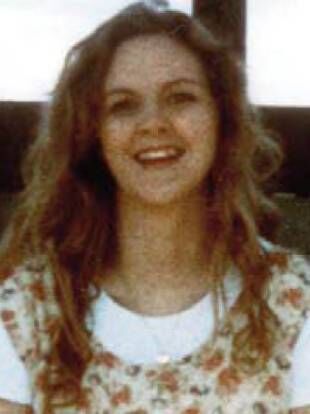
Hopes have been raised so many times that breakthroughs were imminent. I remember standing outside Tullamore garda station in 1997 after five people were arrested in connection with the disappearance of Fiona Pender.
All day I waited for news of a development, but eventually all five were being released without charge.
In 2014, I stood at a forest in the Slieve Bloom mountains where trees were being felled in preparation for an excavation of an area in a search for Fiona.
Gardaí had received information Fiona might have been buried in soil where saplings had later been planted. But after a number of weeks that search ended without success.
Last summer, I sat for hours in my car outside a house in Clondalkin, west Dublin, which was being searched for the body of Annie McCarrick. Those currently living at the house had no link to the case, but their back garden was being excavated by garda search teams chasing down a lead that a body might be buried there since 1993.
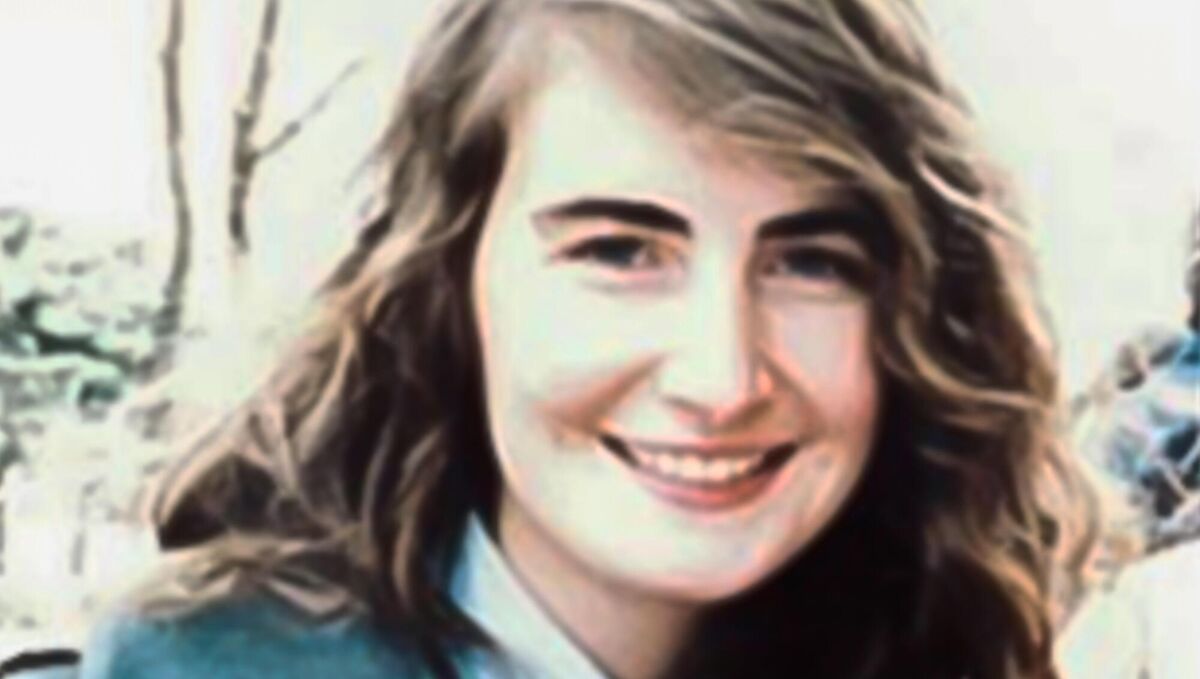
I watched as cadaver dog Fern, who had been part of the search which recovered the body of Tina Satchwell in her home in Youghal, was brought to the house in Clondalkin. It’s a matter of continuing controversy that gardaí still don’t have their own cadaver dog, and have to borrow Fern from the PSNI.
Fern gave no indication of anything at the house search in Clondalkin, and gardaí eventually announced the search had ended with no trace of Annie being found.
Gardaí have searched in all types of terrain for the missing women. Officers have been waist deep in bog water in Dundalk searching for Ciara Breen. Ciara was only 17 when she vanished. She’s labelled as one of the missing women, but she was just a child.
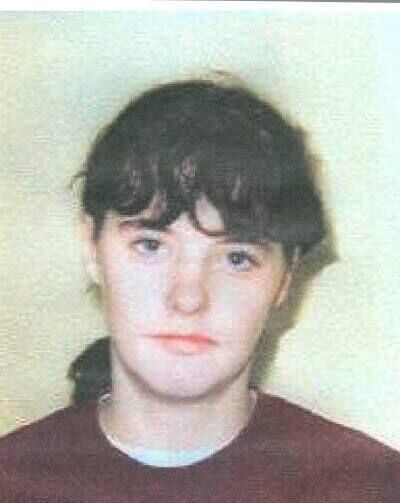
Searchers have excavated vast acres of farmland for Jo Jo Dullard. They’ve drained a man-made lake in Co. Wexford looking for Fiona Sinnott. They’ve excavated a pet cemetery in Co. Wicklow looking for Annie McCarrick, all without success.
But sometimes families want gardaí to search locations, and officers either don’t do it, or are too slow. Sometimes families have conducted their own searches.
Fiona Sinnott’s family excavated the foundations of a house extension looking for Fiona. It’s both admirable and somewhat numbing to think of Fiona’s uncle and brothers searching the ground for her body.
More recently the Sinnott family were heartened by a fresh Garda search in south-east Co. Wexford, but again no trace of the murdered woman was found.
Some of the investigations have led officers to believe some missing women knew their killers, and that the cases are isolated crimes.
In others, such as Jo Jo Dullard and Deirdre Jacob, it’s long been believed the women were murdered by random attackers, but now it’s clear from this week’s search of a quarry in Co. Wicklow that gardaí are following a theory that the same killer may have targeted both women.
Jo Jo disappeared late at night from a phone box in Moone, Co. Kildare, in November 1995. Deirdre vanished from the gate of her home in Newbridge in the middle of a bright afternoon in July 1998.
Abductions happen in a split second. I know from reporting other attacks down the years that an attacker might punch a victim hard in the face without warning to stun them and then immediately force them into a vehicle.
Within seconds the victim has vanished from where last seen. Within minutes they can be many miles from their last known location. And for decades their bodies can then remain hidden.
As long as there are searches underway there is hope. Search techniques and equipment are vastly different today than in the years when Jo Jo and Deirdre vanished. And there are new investigative tools which also might assist.
Amid the tens of thousands of leads that have been amassed in the cases, the onset of AI could be very useful in trying to find any possible links between any of the missing women.
So many women’s murdered bodies lie hidden in Leinster. So many killers escaped justice. I’d venture a guess many of those killers are still alive, going about their daily lives today.
That angers me. I can’t imagine how the families of the women feel.
- Barry Cummins is the author of

CONNECT WITH US TODAY



Be the first to know the latest news and updates