Marion McKeone: Judgement day for social media platforms
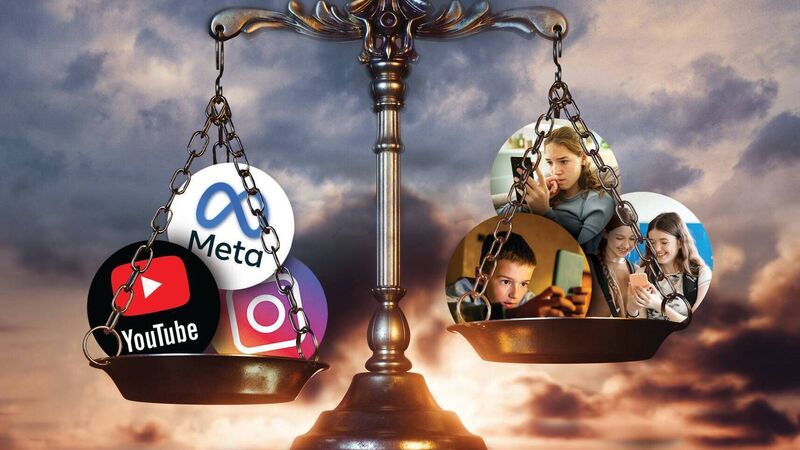
Big Tech is facing a class action in the US over the addictive design of online apps
Marion McKeone: Judgement day for social media platforms

At its core, the case that will play out before a Los Angeles jury over the next six to eight weeks is about two things; whether Instagram and YouTube designed their platforms in a way that could cause children to become addicted to social media.

The Stanley Mosk Courthouse in downtown Los Angeles is no stranger to boldface names in civil actions; in November 2021 thousands of Britney Spears fans, most of them dressed in pink, thronged the plaza to celebrate the end of her legal conservatorship. 

Other famous civil cases involved George Harrison, Kim Basinger, Aaron Spelling, and Lee Marvin. 

Brad Pitt and Angelina Jolie were regulars during their protracted divorce proceedings.

Mark Zuckerberg, who has never been burdened by a surfeit of public adulation, is the latest addition to its roster of rich and infamous defendants. 

There’s rarely a good time to be on the receiving end of a multibillion-dollar lawsuit, but from Zuckerberg’s perspective the timing could hardly be worse.

At its core, the case that will play out before a Los Angeles jury over the next six to eight weeks is about two things; whether Instagram, which is owned by Zuckerberg through his company Meta Platforms, and YouTube, which is owned by Google, a subsidiary of Alphabet Inc, designed their platforms in a way that could cause children to become addicted to social media, knowing that they would suffer serious mental health consequences as a result?

As the first test case got under way, it emerged that corporate tax breaks ushered in by US president Donald Trump last year reduced Meta’s 2025 liability from $16.5bn (€13.9bn) to just $2.8bn on a record $79bn income. Alphabet, its co-defendant, saved $18.4bn on profits of $141bn.

Meta and Alphabet are awash with cash, so much that between them, they’ve earmarked upwards of $320bn for AI capital expenditure in 2026. 

Both Instagram and YouTube generate enormous revenues for their owners. 
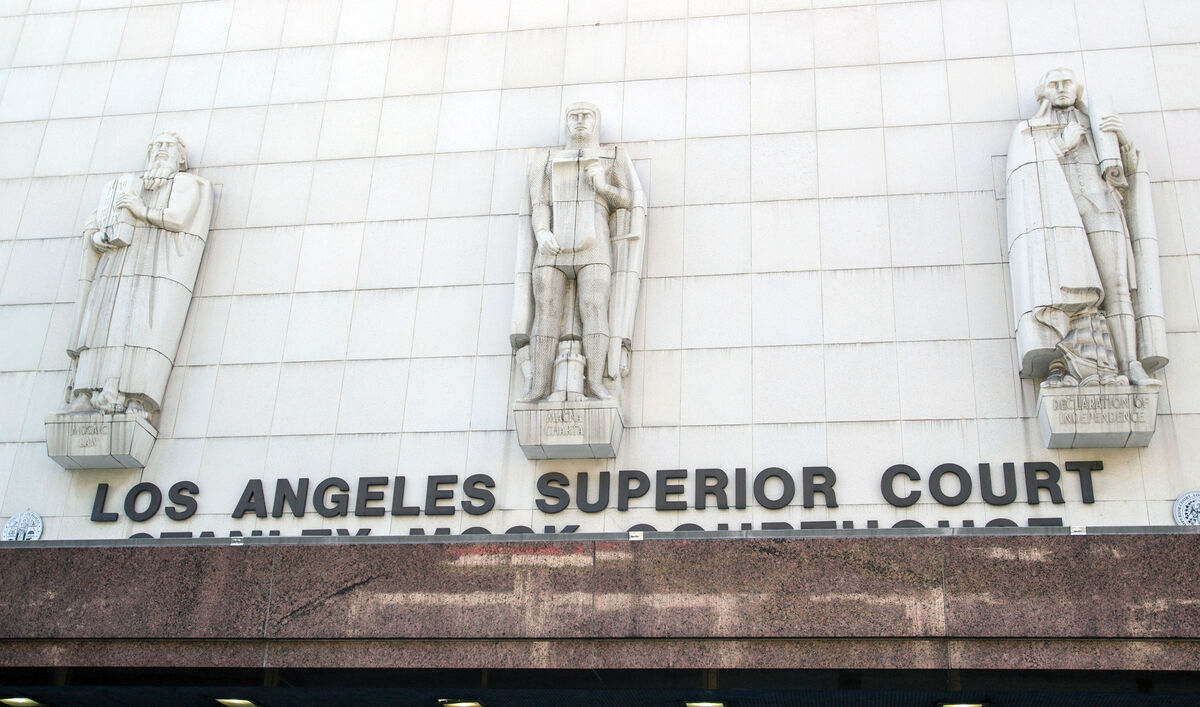
The central district Stanley Mosk Courthouse in Los Angeles.

Zuckerberg paid $1bn for Instagram, which is now worth around $110bn. 

YouTube has been valued at between $475 and $550bn; last year it generated $60bn in revenues from ads and subscriptions.

California was one of the first states to ban the use of mobile phones in public schools. 

By June this year all school districts will have to have policies in place that prohibit or severely restrict phone use by students.

The Los Angeles test case is the tip of a legal iceberg that could inflict massive financial damage on Big Tech. 

It’s a consolidated case with 1,600 plaintiffs claiming damages for a range of adverse consequences stemming of social media addiction, from depression and eating disorders to self-harm.

Many of the plaintiffs are parents who claim their children committed suicide because of their addiction to social media. 

Some 250 school districts have joined as plaintiffs, claiming the social media mental health crisis forced them to divert funds meant for education and learning to emergency counselling and treatment services.

The Los Angeles test case is the tip of a legal iceberg that could inflict massive financial damage on Big Tech. It’s a consolidated case with 1,600 plaintiffs claiming damages for a range of adverse consequences stemming of social media addiction, from depression and eating disorders to self-harm.

They’re being represented Mark Lanier and Matthew Bergman, veteran litigators who have secured tens of billions of dollars in previous class action settlements. 

It’s gearing up to be what Sacha Haworth, executive director of the Tech Oversight Project describes as “the legal battle of our generation”. 

The number of parents or educators amongst the 12 jurors and six alternates who were selected from an initial jury pool of 450 has not been revealed. 

But almost half of the potential jurors questioned expressed serious concerns about the impact of social media on their children.

At first glance, the plaintiff doesn’t appear to present the strongest of test cases winding their way through California and New Mexico’s legal pipelines. 

The 20-year-old, identified only by her initials KGM claims she experienced a decade of emotional, physical, and mental harm after becoming addicted to social media by the time she was 10 years old. Her mother is a co-plaintiff in the case.

Lawyers for Meta and Alphabet’s argue that the plaintiff was diagnosed with mental health issues before she had access to social media and those problems stemmed from the parental abuse and neglect she experienced as a toddler, rather than her excessive use of social media. 

Their denying that social media platforms can be addictive, arguing the only recognised behavioural addiction is to gambling.

A second line of defence suggests that if there is a causal connection between mental health and social media use, it stems from the third-party content on platforms, rather than the design of the host platform. 

It’s the third-party content that causes children to spend hours on their platforms, not the other way around, they say.

For three decades, Big Tech has relied on a combination of the First Amendment’s robust protection of free speech and Section 230 of the 1996 Communications Decency Act to ward off civil lawsuits. The Section 230 firewall stipulates the owners of online platforms are not legally liable for third party content.

Adam Mosseri, the head of Instagram got off to a shaky start in the witness stand on Wednesday, when he tried to persuade the jury that the plaintiff’s use of Instagram for up to 16 hours in a single day sounded more like ‘problematic use’ than an addiction. 

The platform’s top executive also conceded he hadn’t been aware the plaintiff had made more than 300 reports to Instagram about bullying.

Mosseri’s testimony was undercut by internal Google documents in which executives refer to their platforms as slot machines and ‘attention casinos’, noting ‘the house always wins’. YouTube strategy memos also stress the importance of focusing on under-13s.
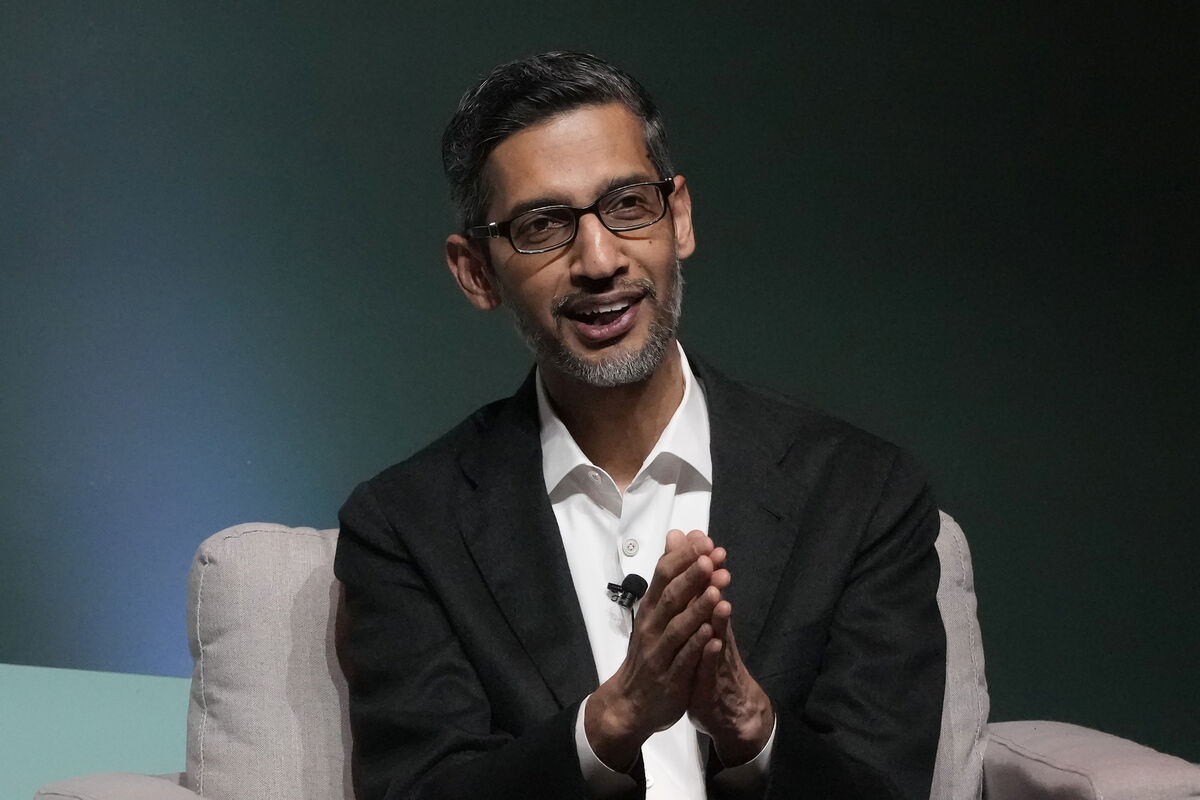
Google and Alphabet CEO Sundar Pichai. Picture: Jeff Chiu/AP

Zuckerberg, who has proven nimble at rebutting allegations of Meta malfeasance during multiple appearances before Congress, is expected to testify next week.

He may find it more difficult to convince a jury that Meta shouldn’t be held liable for Instagrams’ addictive design. 

Evidence that has already been unsealed includes exchanges between Instagram executives who compared the app to a drug and joked “lol, we’re basically pushers”. 

More troubling is the Meta ‘Project Myst’ study, a study conducted for internal purposes which revealed children who had suffered trauma or stress were more vulnerable to addiction and parental controls were less effective in such cases.

While Meta insisted publicly there was no connection between Instagram use and negative mental health outcomes, it privately conducted research that found a causal link between the two.

Zuckerberg’s cosying up to US president Donald Trump has been the subject of much derision in the state that has been his home for two decades. 

Los Angeleans in particular have been on the receiving end of Trump’s anti-immigration policies. 

It emerged last week that Zuckerberg’s moving from Palo Alto, a tech hub 360 miles north of Los Angeles, to a $200m home on ‘Billionaire’s Bunker’, a man-made island off the coast of Miami with just 41 homes. 

His new neighbours will include Jeff Bezos, Jared Kushner, and Ivanka Trump.

Meta CEO Mark Zuckerberg is moving from Palo Alto to a $200m home on ‘Billionaire’s Bunker’, a man-made island off the coast of Miami. 

More pertinent perhaps is Zuckerberg’s decision to gut Meta’s protections against disinformation and hate speech on its platforms, which allowed incidents of bullying and harassment to go unchecked.

In a separate case that started in New Mexico on Tuesday, New Mexico attorney general Raul Torrez claimed newly unsealed findings would show Meta researchers predicted “on the order of half a million instances of child exploitation per day” on its platforms. 

While the Los Angeles case is focused on whether Meta and Google misled the public about the safety of its platforms and the impact of addiction on the mental health of minors, the New Mexico case accuses Meta of knowing and concealing the risk levels of child sexual exploitation on its platforms.

Tech giants scoff at attempts to draw parallels between the Big Tobacco cases of the 1990s or the Big Pharma opioid addiction cases of the 2020s. 

Lawyers for the plaintiffs claim there is one key similarity; that Big Tech, like the Big Tobacco and Big Pharma, deliberately made its platforms addictive as part of its strategy to maximise profits — without any regard for the consequences.

In 1998, Big Tobacco agreed to a $208bn settlement with 47 states when internal documents showed the big four cigarette manufacturers were deliberately targeting minors as part of a profit maximising strategy.

In 2024, Big Pharma manufacturers and distributors of synthetic opioids were forced into settlements totaling more than $60bn, when it emerged they were aware they were manufacturing and marketing highly addictive painkillers while claiming they were non-addictive.

When the extent of the opioid addiction pandemic became apparent — there were 300,000 fatal overdoses between 2019 and 2022 — the Sackler family became Big Pharma’s avatars of greed and treachery. 

After years of evading multi-billion-dollar awards through appeals and bankruptcies, they were forced to pay $8bn in damages and relinquish ownership of Purdue Pharma. 

A cautionary tale for the Big Tech broligarchy.

More in this section

Lunchtime News

Newsletter

Keep up with stories of the day with our lunchtime news wrap and important breaking news alerts.

Cookie Policy Privacy Policy Brand Safety FAQ Help Contact Us Terms and Conditions

© Examiner Echo Group Limited