Ireland has seen this movie before — and small parties always steal the scene
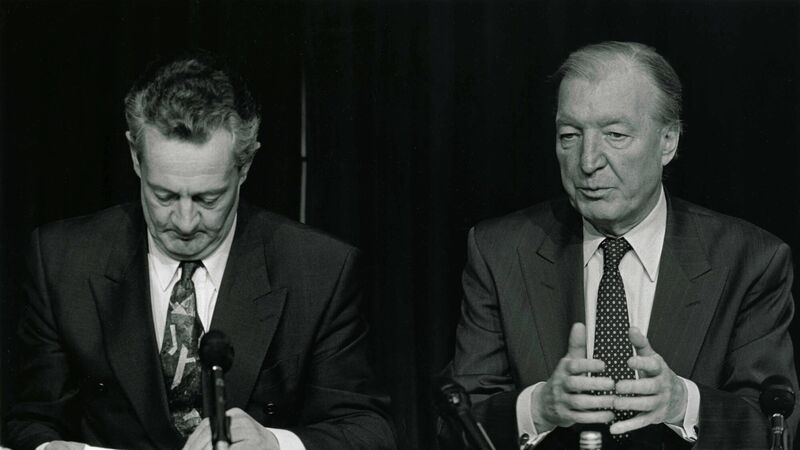
Leader of the Progressive Democrats Des O Malley with Fianna Fáil leader Charles Haughey in 1991. Picture; Eamonn Farrell/Photocall Ireland
The Cork Progressive Association (CPA) was ahead of its time. Way ahead of its time.
The CPA was formed in the aftermath of the Civil War, presenting itself as a political entity that would tackle the big issues being ignored by mainstream politics.
There was a focus on improving the environment for business, but it also concerned itself with issues across society, and particularly public housing.
By July 1923, the CPA appeared to be sucking diesel.
At a meeting, the honorary secretary John C Foley said that applications from membership were pouring in and it was time to appoint official organisers.
HISTORY HUB
If you are interested in this article then no doubt you will enjoy exploring the various history collections and content in our history hub. Check it out HERE and happy reading
The , as it then was, reported on the meeting.
“The feeling amongst the people of all classes and creeds who had any stake in the country was that such an organisation as theirs is very badly needed, on the head received congratulations from many large centres and being the first to take up seriously the questions of safeguarding the interests of Commerce and Industry in the coming elections.”
Two TDs were elected under the CPA banner at the following general election, Richard Beamish and Andrew O’Shaughnessy.
Thereafter though, things went south. It just wasn’t happening for them. The two TDs threw their lot in with Cumann na nGaedheal, the forerunner to Fine Gael.
Over 60 years later a party that had echoes of the CPA was formed and went on to have a major impact on politics.
The Progressive Democrats was born in 1985 out of frustration with both the leadership of Fianna Fáil under Charlie Haughey and the direction the country was going in.
Between 1989 and 2011, the party was in government for all but five years.
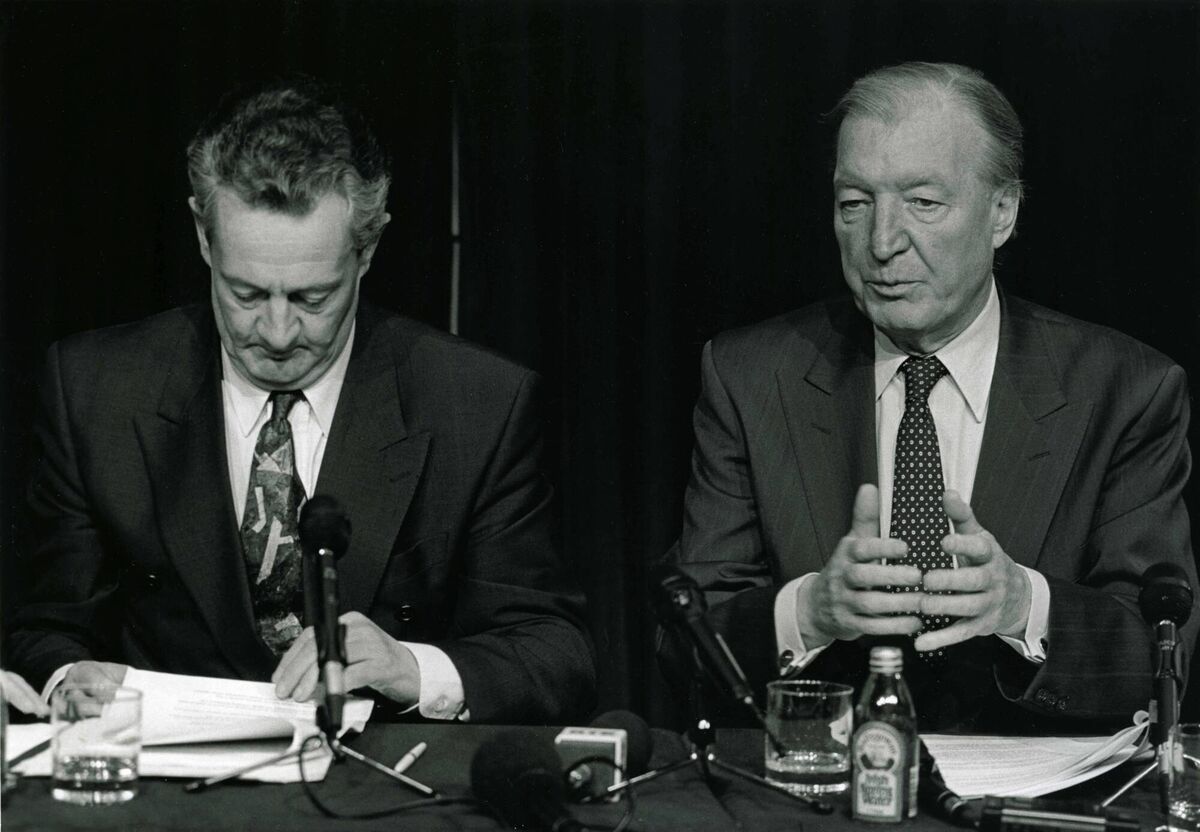
Its influence on the economic direction of the State, and to a lesser extent the social agenda, was huge.
The PDs surfed an international wave, led by Margaret Thatcher and Ronald Reagan, for giving business its head, or, as some would have it, the instigation of a neoliberal agenda.
This was captured at one point in a comment by former Labour TD, Pat Rabbitte.
Referencing a particularly aggressive strategy by the business owners group, Isme, Rabbitte said the organisation represented “the paramilitary wing of the PDs”.
Then, finally, the PDs went the way of all small parties so far, and self combusted.
Today, waiting in the wings, are a few small parties which are beginning to look well placed to trod the same path, albeit from different political philosophies.
Their emergence comes at a time when there is apparently once more a fed up attitude to "politics as usual" from a chunk of the electorate.
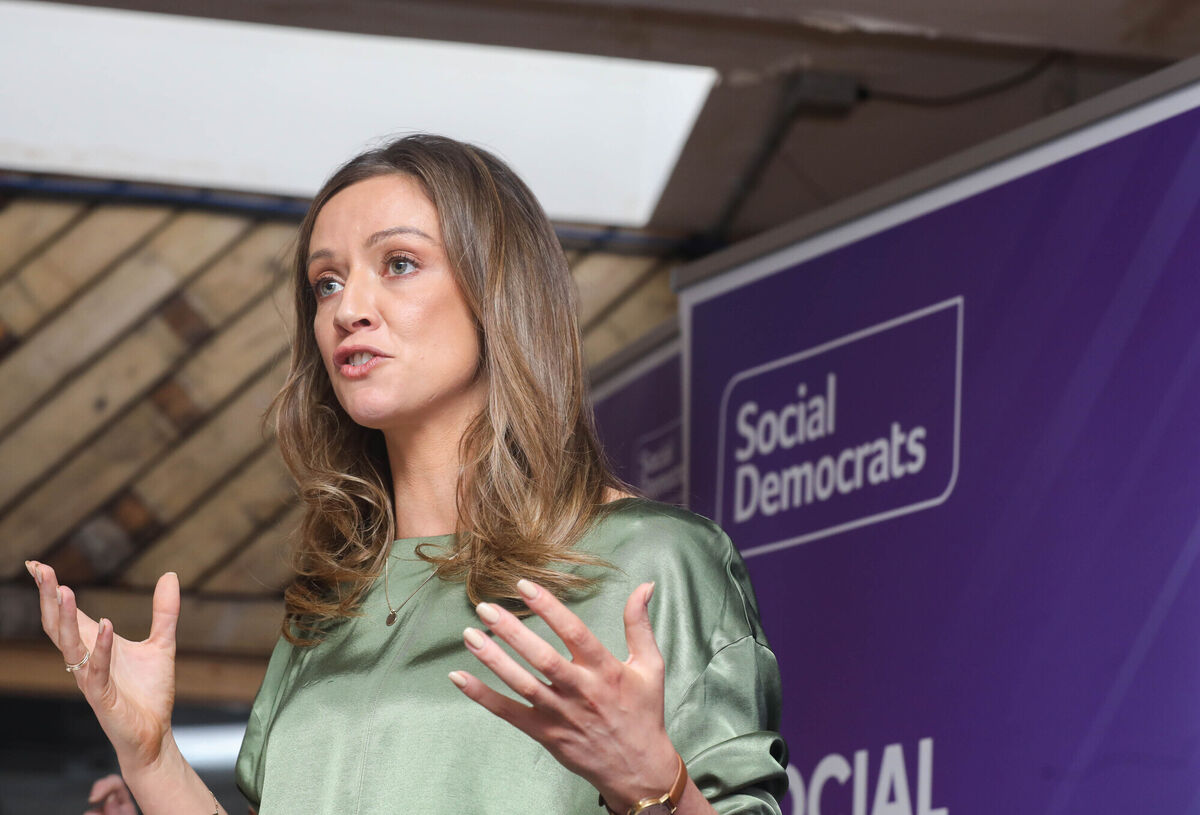
In a poll in the in recent days, the Social Democrats were coming in at 10%.
Its leader Holly Cairns is polling as the most popular political leader also.
This, as polster and political scientist Kevin Cunningham pointed out in the paper, could be the opening of a path to government for the Soc Dems.
“If the Social Democrats become a bigger piece of the government formation jigsaw, there is the possibility of a trickle of voters shifting their allegiances from Sinn Féin to the Social Democrats becoming a flood. It’s certainly one to watch,” he wrote.
That jigsaw could get even more complicated with the emergence of both Independent Ireland and Aontú, both on 6%.
Notably, these three are polling better than both of the traditional small parties of government, Labour, on 4%, and the Greens on 3%. (These figures differed in an poll later in the week, but a trend for the Soc Dems in particular is obvious).
If the trend continues for the Soc Dems, it will raise the party to the status of kingmaker, between Fianna Fáil and Fine Geal on one side, and probably Sinn Féin on the other.
So what of the prospects for a new direction in Irish politics, a further fragmentation where small parties will have more influence? What we do know from the past, with Clann na Poblachta in the 40s and 50s, the PDs as outlined above, and the Greens in the last 20 years, is that small parties can have a disproportionate influence on government once they take the plunge.
Clann na Poblachta was formed, like all small parties, on a wave of disillusionment. Elements in Fianna Fáil were discommoded at the direction of the party, what they saw as Eamon DeValera’s abandonment of Republican ideals.
A particular blow to them in this respect was the Chief’s overseeing of the execution of IRA men during the Second World War.
The new party was led by Seán McBride, a lawyer, former IRA man and a son of John McBride who was executed in 1916.
McBride would later go on to co-found Amnesty International.
Tom Clarke’s widow Kathleen was also a member. But probably the real big Cahuna was Noel Browne, a man of integrity and vision, but lacking in political nous.
In the 1948 general election, the party won 10 seats and entered government as one of five elements in a coalition.
These were Fine Gael, Labour, Clann na Poblachta, Clann na Talmhan and the National Labour party.
That, as can be observed, was a high water mark for small parties in government.
Browne made huge strides in his few short years in office in eliminating TB, a personal crusade for him, but he came a cropper with his proposed Mother and Baby Scheme, and was forced to resign. After leaving government the party faded into oblivion.
There are echoes of Clann na Poblachta in the Soc Dems. The latter is on the left of the political firmament and in general terms many would have no problem being associated with Browne and his compass.
It was formed as a result of disillusion with one of the established parties, Labour. Where it appears to differ is in a thirst to actually achieve power in order to implement an agenda.
Perhaps because one of its founders Róisín Shortall had left government disillusioned, maybe there is a weighted caution at the prospect of going back in, particularly with the civil war parties.
Equally, there appears to be a reluctance to make common cause with Shortall’s former Labour party, as if the latter is somehow unclean and unworthy of allegiance.
If the Soc Dems continue to maintain and grow their popularity the escape route from actually entering government will narrow, and might close off. That will be interesting to watch.
What is clear is that the party has struck a chord. In the current fragmented political environment, it represents a genuine alternative to the current government in a way that Sinn Féin does not.
Then, coming up on the outside, we have Independent Ireland. The party is doing well, mainly on the back of articulate people like Michael Collins, Michael Fitzmaurice, and Ken O’Flynn. Richard O’Donoghue is their fourth TD.
In some ways Independent Ireland has traces of the DNA of Clann na Talmhan. This party was founded in 1939 due to fragmentation of the farming lobby.
Within a few years, it had gathered a bit of traction.
A profile in the History Ireland magazine summed up its early brightness.
“By 1943 Clann na Talmhan had become a dynamic and densely organised grassroots movement, many of whose leaders had been active in Fianna Fáil. Its rhetoric was anti-establishment and populist, stressing the importance of and seeking to restore a sense of dignity to ‘the man who lives and works on the land’.”
Like others of its ilk, it wasn’t long after exiting the interparty government that it ended up in the ditch.
Throw in a few adjustments for societal changes, such as the inclusion of women and appealing to a broader constituency than exclusively small farmers, and Independent Ireland is appealing to a similar base today as was that Clann in yesteryear.
Unlike the Soc Dems, the smart money says that Independent Ireland would have no problem in getting into bed with the civil war parties in particular if the price was right.
Equally, however, without a nailed down political philosophy, the smart money would go on the party fading fast if it doesn’t enter government.
Aontú has historical echoes all over the shop. The party has an articulate and able figurehead in Peadar Tóibín, who would undoubtedly be one of Sinn Féin’s leading lights today if he hadn’t left the party.
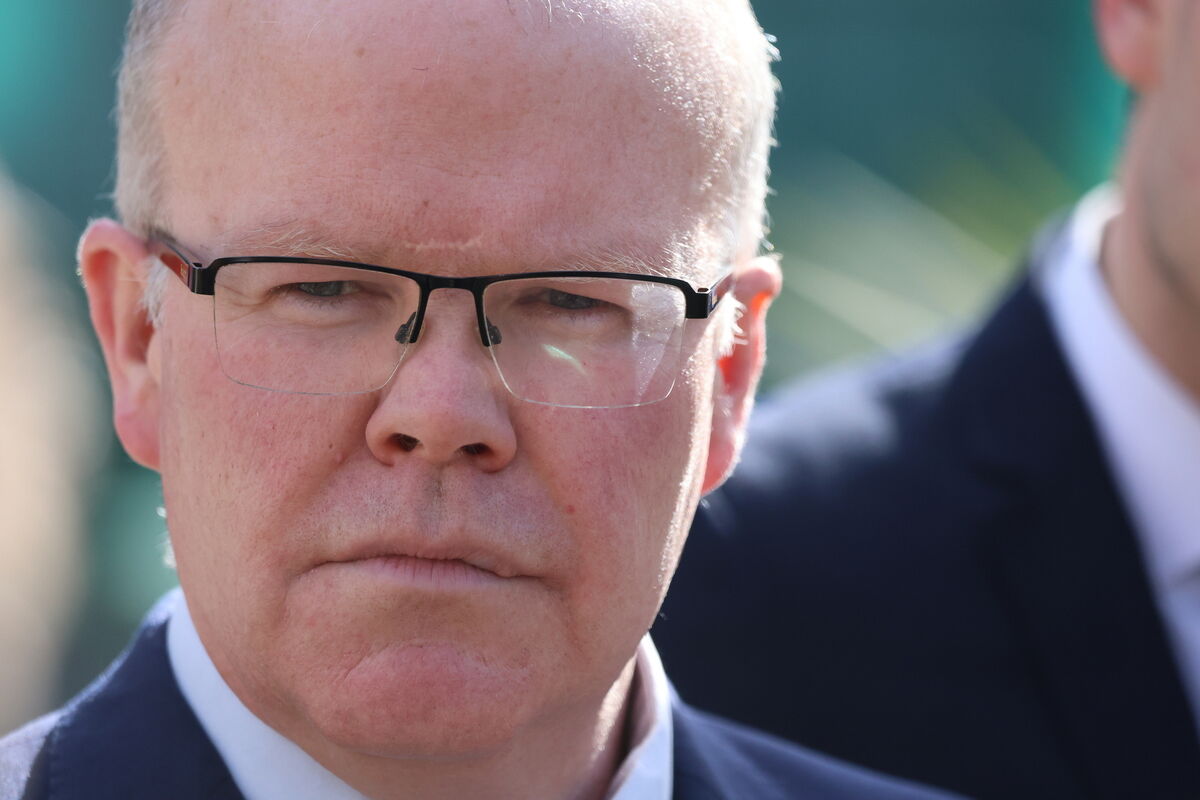
His beef with his former party was its stance in favour of repealing the eighth amendment on abortion.
Tóibín has retained his seat at every election since and added another, Paul Lawless, at the last one. Aontú has the first requirement for a new party, a strong leader. As of now, that alone has not attracted the multitudes to its standard.
The only distinguishing policy feature with Aontú is its stance on abortion and other life issues.
But even when the state was a defacto theocracy, there has never been a major appetite for religion in politics.
Beyond that, Aontú’s republican credentials are a diluted version of Sinn Féin’s.
The two small parties currently languishing in the polls are the pair who have both served in government.
Labour has done so going back 50 years, and has always paid a price. It has also achieved goals that have advanced a social democratic agenda, but eaten bread is soon forgotten.
Similarly, the Greens got a lot done during their stints in office, but the tide has now gone out, not just on the party, but the wider agenda.
If the current disillusionment with the statis in government continues, we can expect to see a lot more small parties having an outsized influence, for good or ill.
CONNECT WITH US TODAY



Be the first to know the latest news and updates