'My daughter was distraught and scared, but she was more ashamed' after sexual assault

A mother describes an 11-month wait for counselling after her teenage daughter was sexually assaulted, highlighting gaps in State support services
'My daughter was distraught and scared, but she was more ashamed' after sexual assault

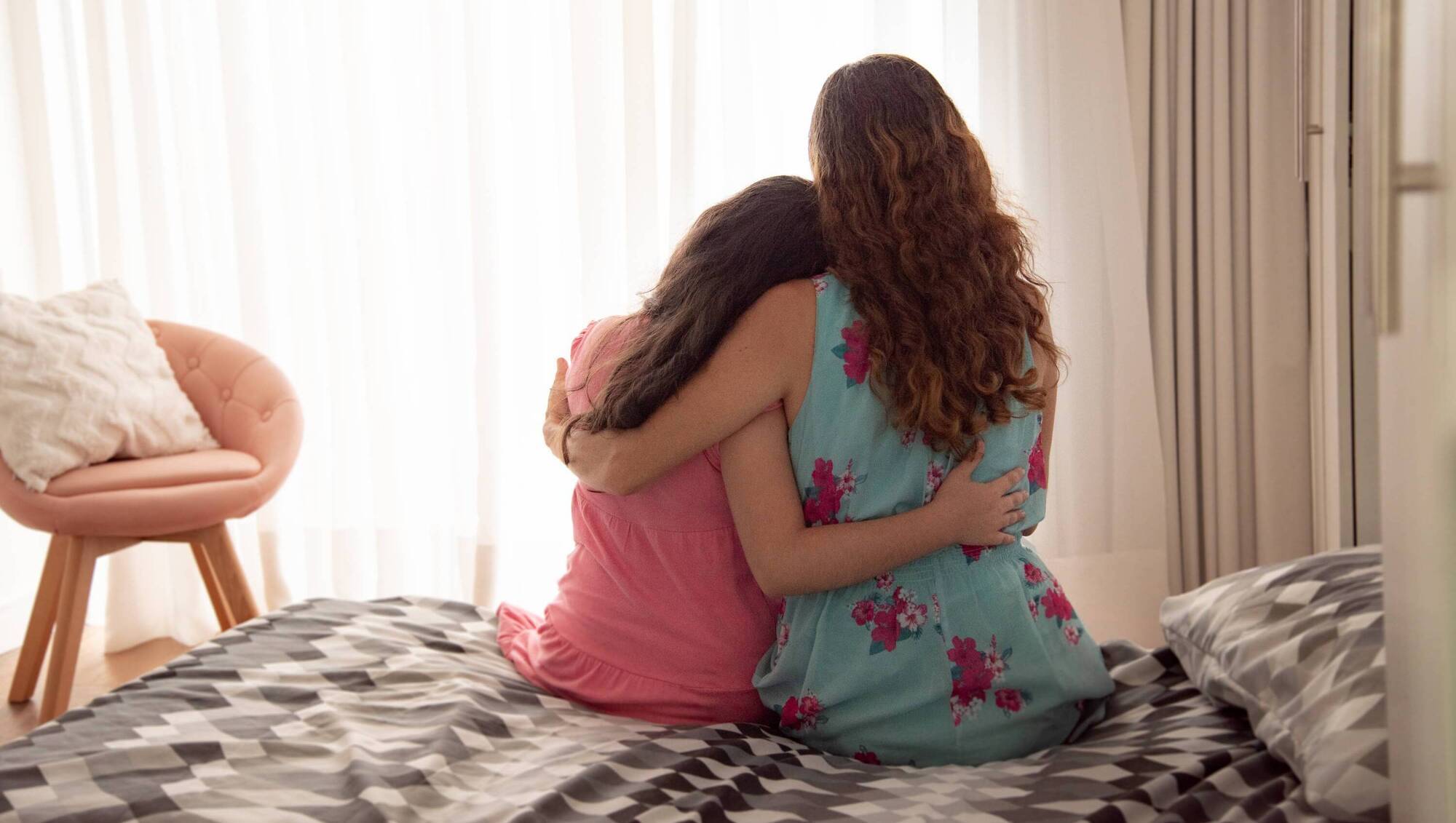
For 11 months, Mary and her daughter received no counselling or therapy. File picture

Every second or third day, Mary* was on the phone looking for help for her daughter after she was sexually assaulted, on her birthday, by four boys.

Mary spoke to Barnahus, the State’s specialist child sexual abuse service, but it said it didn’t have the resources to provide counselling.

She rang Tusla and left messages, but she never heard anything back.

For 11 months, Mary and her daughter received no counselling or therapy.

“I needed support for her and for us, to try and deal with this and just to manage day to day,” Mary told the Irish Examiner.

All the while, she watched helplessly as Elizabeth*, 15, struggled to cope.

“She was not eating. She was not leaving her room, not going to school, and not wanting to go out,” Mary said.

“She just locked herself away. We got concerned she might do harm to herself because she was so isolated.”

Mary said one day her daughter went to the bathroom and locked the door. They couldn’t get through to her, and they became more and more concerned.

“We had to break the door down,” Mary said, the act of remembering taking understandable strain.

“When you have to think about it and tell someone,” she said, “I feel like it’s happening again.”

Birthday nightmare

She can’t forget the day their world turned upside down, the day Elizabeth was celebrating her 15th birthday.

“It was a rainy Sunday,” Mary said. “She asked me to drop her into town to meet friends in a takeaway.

“There, she later met friends of friends and, a couple of hours later, more friends — acquaintances, really — joined.

“She got separated from her own friends. She knew the others, including some boys, to see.

“She didn’t know them terribly well.”

Mary, who lives in Munster, said these boys were “very careful” in how they ensnared Elizabeth.

“They didn’t threaten her; it was more coercion and persuasion. They were talking her into doing things. She went off on her own with them to a nearby location, and that’s where the sexual assault took place.”

Mary said her daughter didn’t say anything when she came home, but looked a bit out of sorts.

“She went to school the following morning, and after school she went to her friend’s and told her friend.” she said.

"The friend told me. My daughter wanted me to know, but didn’t know how to tell me."

Mary said her daughter was particularly worried about telling her father.

Mary did everything that the experts say people should. She called An Garda Síochána, and Elizabeth gave them the four names of the boys. They were aged 15 or 16. Mary then brought her daughter to the Barnahus sexual assault clinic. The clinic examined Elizabeth and made sure everything was alright.

“My daughter was distraught and scared, but she was more ashamed,” Mary said.

“The overwhelming feeling was shame.”

Mary made sure her daughter had a pregnancy test, which came back negative.

She ensured Elizabeth got bloods done for HIV and hepatitis C, and she listened to advice that her daughter best start taking the hepatitis C vaccine in case it came back positive. The confirmation only came three months later. She was negative.

No help

Mary said that, as soon as the assault happened, she contacted Tusla. It contacted her straight away, and a social worker visited.

Three weeks later, she was told the case was “closed” as there was no immediate danger to her daughter.

But no support was offered, or given, either for her daughter or the family.

"I was making phone calls every two or three days to Barnahus and Tusla, saying we need something, my daughter needs help. I left so many messages.”

Recalling it all, Mary said the ordeal was “incredibly difficult”. She said it was 11 months before they got help, but said it “felt longer”.

Mary said her own mental health suffered greatly, adding that the impact on her husband was “just awful”.

She said: “Fathers and daughters have a distinctive relationship. There is the protector role, so it’s really, really, hard for a father.

“They see their role as protecting and keeping their daughter safe.”

The help eventually came when, after her GP referred her daughter again to Tusla, a different Tusla social worker contacted her and told her about Children at Risk Ireland (Cari), asking if she would like her to refer her daughter.

Cari

“I never heard of Cari. They were a lifesaver. When we started, my daughter did play therapy, making slime and colouring. It was to make her feel safe and at ease.”

It’s not clear why they were never told about Cari in their first dealing or subsequent phone calls with Tusla or in phone conversations with Barnahus.

Mary said they began a 12-month programme and that, after around four weeks, she said they could see a difference in her daughter.

“She had a counsellor, and we had a family counsellor,” Mary said.

“The family counsellor helped us understand what our daughter was going through.”

Mary said there was a rocky moment halfway through when there was a threat to Cari’s funding, which she said was “so frightening”.

Luckily, the funding wasn’t pulled.

The serious threat the lack of funding posed to Cari was raised at the publication of its strategic plan for 2026-2030 yesterday, which was launched by children’s minister Norma Foley.

Mary said that, during their 12-month programme, Elizabeth began the process of going back to school a bit and generally felt much better.

“She dressed up and was able to go to the TY [Transition year] Ball,” she added.

Garda case dropped

Mary said another difficult stage was with the garda investigation into the four boys, who were all denying that anything happened.

“The gardaí were very, very good. They were very supportive and waited until my daughter was ready, but the big thing was when she turned 18.

“Rather than us guiding her through everything, they dealt with her directly as she was 18. That was really hard for her.

"You don’t turn into an adult overnight. I think that was one of the reasons it was not possible for her to continue. There would be four of them in court. She would have me and her father, then you’d have the four of them, all their barristers, and all of their parents."

Mary said that some things have not come back into Elizabeth’s life yet.

“Sport used to be a big part of her life, but she hasn’t yet got back into that. She would do some in school, from a social aspect.”

This year, Elizabeth is doing her Leaving Cert.

Priorities

Mary said: “It’s up and down, but we are focused on getting to the end of the year. There are plenty of other opportunities out there, PLCs, and apprenticeships. There’s no pressure on her.

“The main thing is that she is in a better place now, and she is thinking about her future. There is still a long road ahead. She has learnt to be resilient, and her confidence has increased.

“She knows when she is all right and when she is not all right, and we are there for her. We are a lot closer, and we make sure everyone is all right. That’s the priority.”

*Names have been changed to protect identities.

  • For more information on Cari's services, visit Cari.ie, or call 0818-924567 
  • Cormac O'Keefe is Security Correspondent.

More in this section

Lunchtime News

Newsletter

Keep up with stories of the day with our lunchtime news wrap and important breaking news alerts.

Cookie Policy Privacy Policy Brand Safety FAQ Help Contact Us Terms and Conditions

© Examiner Echo Group Limited