ieExplains: Why do storms get names and how are they picked?
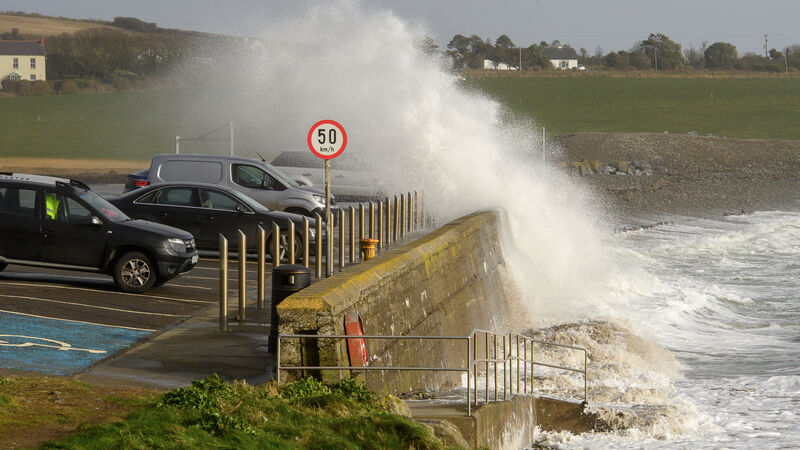
Storm Herminia created huge waves that washed over the sea wall at Garretstown, Co Cork. File picture: Dan Linehan
In 2015, Met Éireann and the UK Met Office launched a scheme inviting the public to suggest names for storms, to raise awareness of the dangers of severe weather.
The forecasters said using a single, recognisable name for a storm helps the public better understand the risks and take action to keep themselves safe.
Met Éireann and the Met Office were joined in the naming scheme by the Netherlands' meteorological agency KNMI in 2019.
The decision is linked to weather warnings. If a storm is disruptive or dangerous enough for an orange or red warning to be issued, it is named.
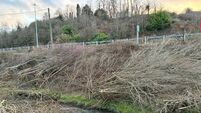
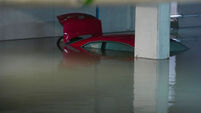
Named storms are often expected to bring strong winds, heavy rain that could lead to flooding, or significant snowfall.
The national service most at risk does the naming, and along with the name comes the relevant orange or red warnings.
Met Éireann, the Met Office, and KNMI all ask the public for name suggestions.
Of the list of 21 names, each agency has contributed seven names. For the 2025/26 storm season, Met Éireann called on Ireland’s public to submit their preferred names through a social media campaign. More than 10,000 names were received from 4,137 members of the public.
A name is avoided if it is too difficult to pronounce, has different meanings in different countries, or if it is associated with a private company, public figure, or a storm that has previously caused loss of life.
The US National Hurricane Centre does not use storm names beginning with the letters Q, U, X, Y or Z, so, for consistency in the North Atlantic, neither does Met Éireann.
The alphabetical list, which runs from early September until late August the following year, alternates between male and female names.
The full 2025/26 list (with names chosen by Met Éireann in ) is: Amy, , Chandra, Dave, Eddie, , , Hannah, Isla, Janna, , Lilith, , Nico, Oscar, , Ruby, Stevie, , Violet, Wubbo.
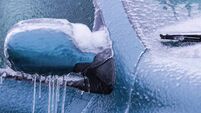
Yes. In January, Storm Goretti brought snow, ice, and low temperatures to southern and eastern coastal counties.
The storm was first named by French forecaster Meteo France. To avoid confusion and ensure consistent messaging across borders, Met Éireann used the same name when issuing warnings connected to the storm.
"When any met service names a weather system, all others keep that name, including ex-hurricanes named by the US National Hurricane Center, such as Charley (August 25, 1986) and Ophelia (October 16, 2017), which had major impacts in Ireland when they crossed the Atlantic," Met Éireann said.
Spain, Portugal, France, Belgium and Luxembourg work together to name storms in south-western Europe, while Norway, Sweden and Denmark agree names for storms in the north of the continent.
Check out the Irish Examiner's WEATHER CENTRE for regularly updated short and long range forecasts wherever you are.