Ireland first counted itself in the 1926 census — the results still echo a century later
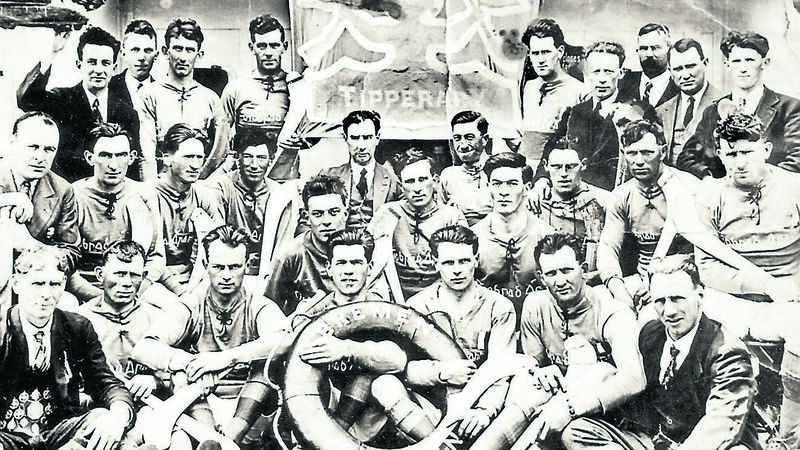
On the night of April 18, 1926, Ireland paused.
Across the Irish Free State, enumerators went door to door with clipboards and carefully worded forms, recording names, ages, relationships, religions, occupations, and languages spoken.
It was an unglamorous act, but a revealing one. For the first time since independence, the new State attempted to count itself — not symbolically, but in ink and arithmetic.
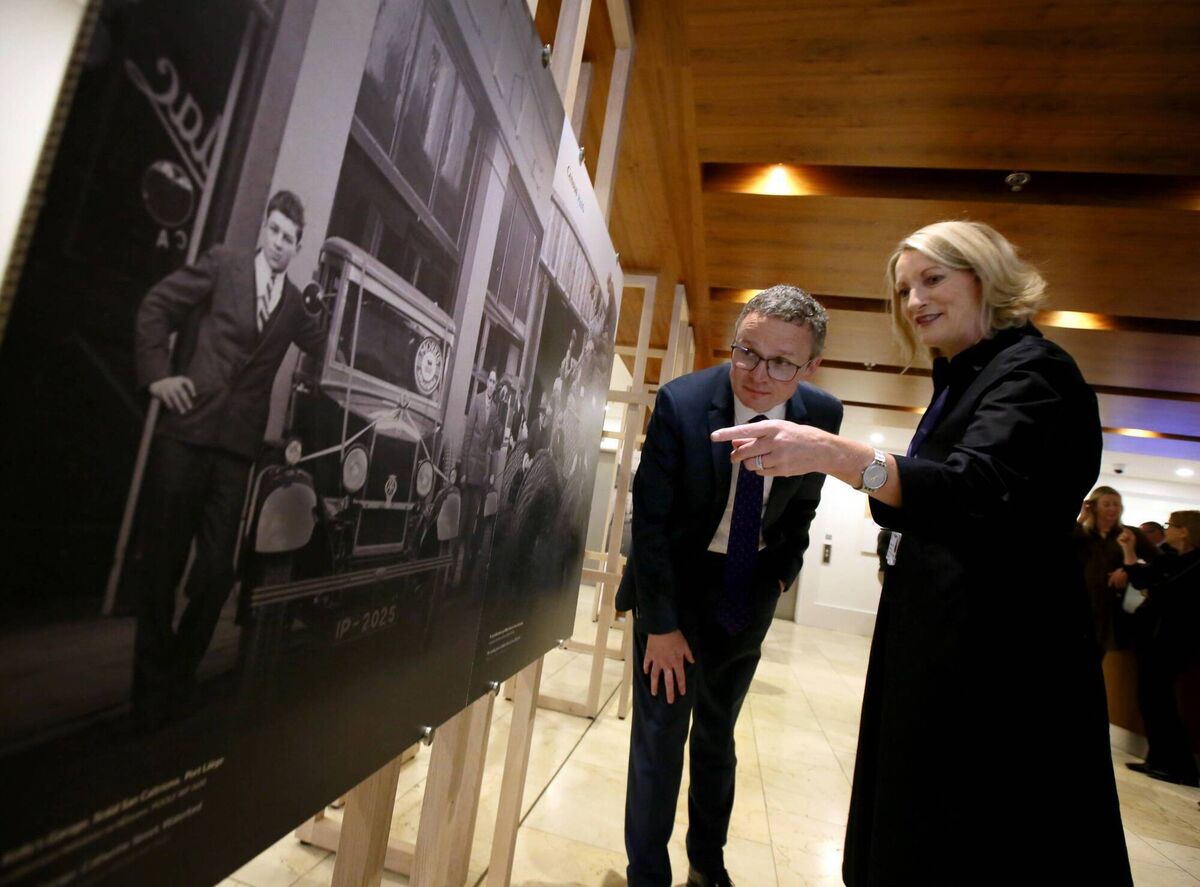
The census has long been one of the State’s quietest rituals.
HISTORY HUB
If you are interested in this article then no doubt you will enjoy exploring the various history collections and content in our history hub. Check it out HERE and happy reading
There are no speeches, no flags. Yet few exercises reveal more about a country’s inner life. As one later Central Statistics Office historian put it, a census is “where the ambitions of a state meet the realities of its people”.
A century on, the 1926 census stands as more than a demographic snapshot. It is a reckoning — with history, with loss, and with the limits of political change.
Read alongside today’s census returns, it offers a stark before-and-after portrait of a country transformed.
The 1926 census was not Ireland’s first. Far from it. Ireland had been counted regularly since 1821, when the first modern census was conducted under British administration.
Early efforts were blunt instruments — headcounts rather than household portraits — but by 1841 and 1851, the census had become a detailed social record, capturing housing conditions, literacy, occupations, and, in the aftermath of catastrophe, the demographic wreckage of the Great Famine.
The 1851 census famously attempted to document famine deaths and emigration — an extraordinary and grim exercise in state self-examination.
Later censuses in 1901 and 1911 went further still, recording intimate household detail that remains invaluable to historians and genealogists today. Yet much of this record was lost.
Nineteenth-century census returns were destroyed either deliberately or in the 1922 Public Record Office fire at the start of the Civil War. History, in Ireland, often survives by accident.
Against that backdrop, the 1926 census carried unusual weight. It was the first taken under the Statistics Act 1926, and the first administered by the institutions of the Free State itself.
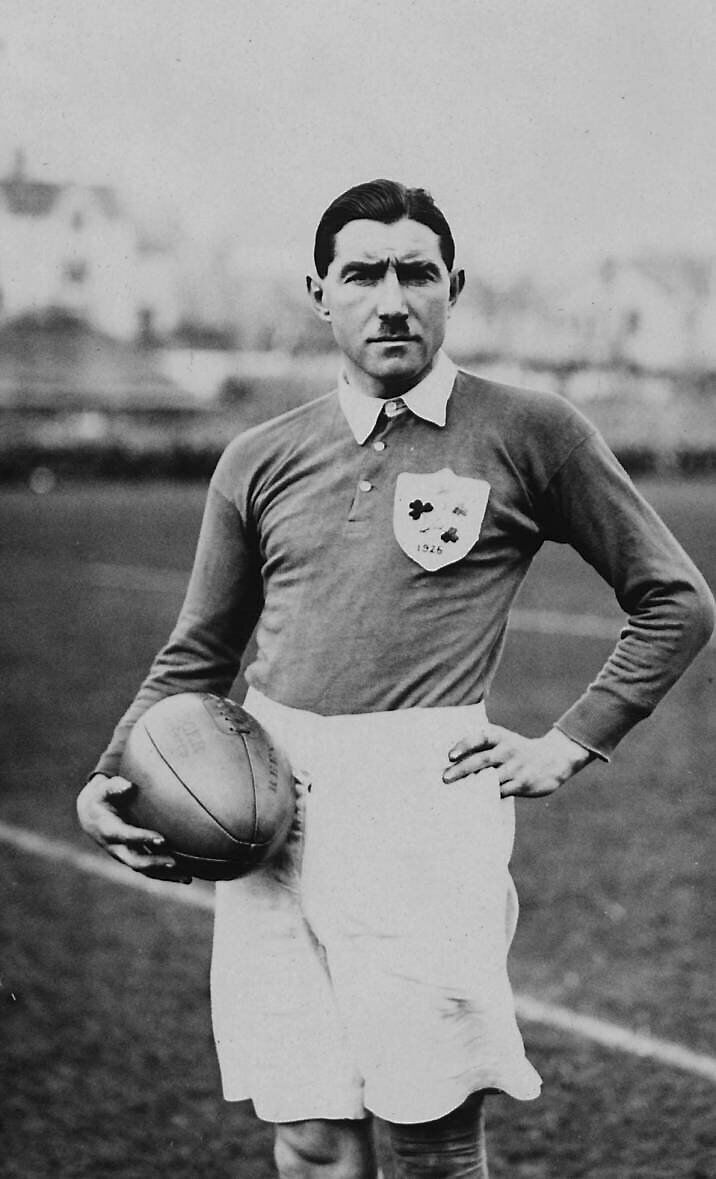
Counting, this time, was an act of sovereignty.
The most arresting number in the 1926 census is not how many people lived in the Free State, but how few.
On census night, the population stood at 2.97 million — a fall of more than 5% on the 1911 figure.
In the words of one contemporary civil servant, the results confirmed “with statistical finality what had long been known anecdotally: The country was still emptying”.
Independence had not reversed Ireland’s demographic trajectory.
The Great Famine lay eight decades in the past, but its aftershocks remained visible in every table and chart.
Emigration, delayed marriage, and low birth rates continued to suppress growth.
Ireland was one of the few European countries whose population was still declining in peacetime.
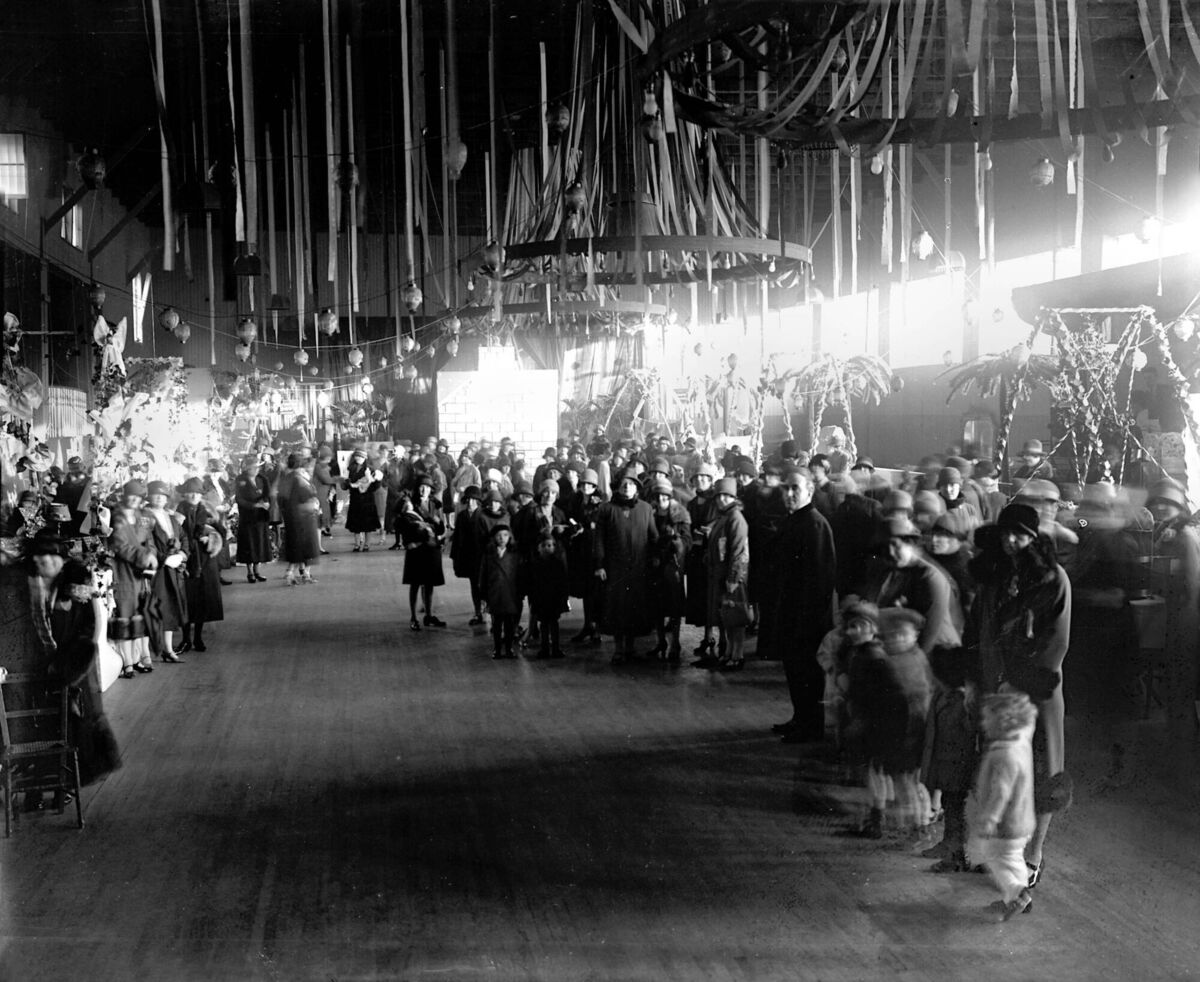
Today, the contrast is dramatic. Ireland’s population now exceeds five million, surpassing its pre-Famine level for the first time. The shift marks one of the most significant demographic reversals in Europe.
However, the comparison also reveals a deeper truth.
In 1926, the census recorded absence: Missing sons, empty rooms, counties losing people year after year.
Modern censuses record pressure instead on housing, infrastructure, schools, and hospitals. Ireland has moved from worrying about vanishing to grappling with arrival.
The Free State of 1926 was, as one would suspect, overwhelmingly rural.
More than half of those in employment worked in agriculture. Small farms, family labour, and seasonal work defined economic life across much of the country. Cities existed, but they were few and underdeveloped.
One urban centre stood apart. Dublin was the only county to record population growth in 1926, increasing by nearly 6%. Even then, the census hinted at a gravitational pull toward the capital. At the time, this was not seen as inevitable.
The dominant political vision favoured rural self-sufficiency, smallholders, and decentralised life.
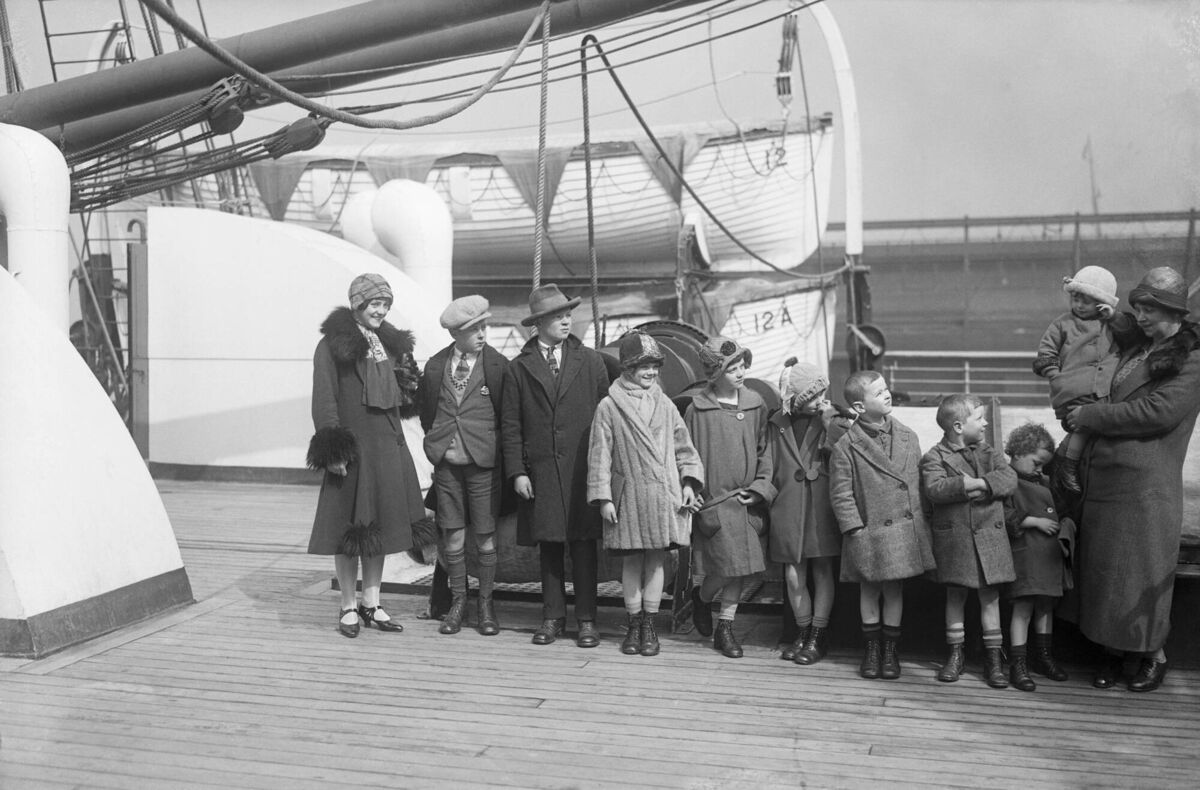
Urbanisation was viewed with suspicion, even regret.
A century later, that vision has been overtaken by reality. Ireland is now a predominantly urban society, with Dublin functioning as a European capital in all but name.
Suburbs, commuter belts, and satellite towns define daily life for hundreds of thousands. Yet the tension revealed in 1926 has not disappeared — it has merely changed shape.
Then, rural decline was the fear. Now, regional imbalance is the challenge with a capital straining under its own success and other regions struggling to keep pace.
Few questions in the 1926 census carried as much symbolic weight as the one on the Irish language. Just 18.3% of the population reported being able to speak Irish.
The language survived, but unevenly — strongest in poorer western regions and among older generations.
The census did not simply record this reality, it framed it. Irish was broken down by age, occupation, and geography. As one official report noted, the data allowed policymakers to “measure decline and progress with equal clarity”.
A hundred years later, the paradox remains. Far more people now report some knowledge of Irish.
The language is embedded in education, and it enjoys greater public visibility than in 1926. And yet daily use remains limited, largely confined to Gaeltacht areas and specific social settings.
The census continues to be a tool that exposes the gap between aspiration and practice — between the Ireland people wish to preserve and the one they inhabit.
If population is the headline story, migration is the engine beneath it.
In 1926, emigration was a fact of life.
Young people left for Britain, the United States, and beyond, often following siblings or neighbours. Departure was individual, but its effects were communal.
The census captured the residue: Skewed age profiles, imbalanced gender ratios in rural areas, and households structured around absence.
As one later historian observed, “emigration was not an event but a condition”.
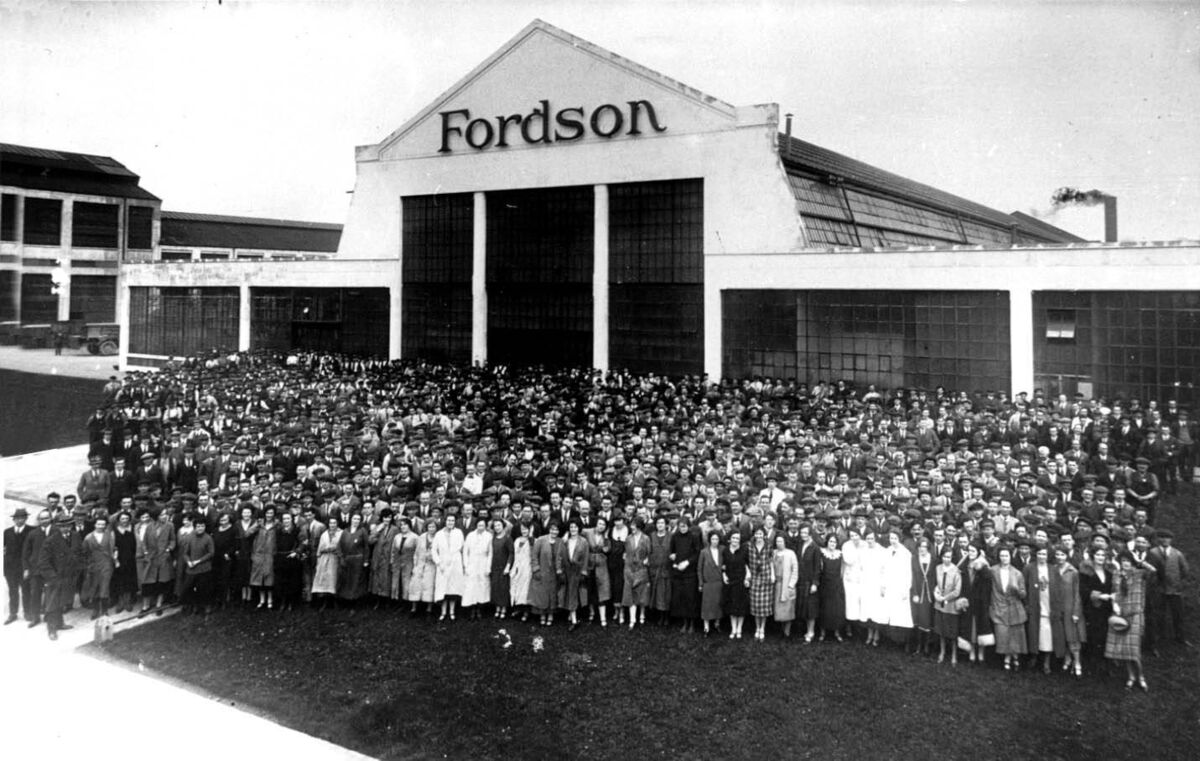
Modern census returns tell a different story. Immigration has become a defining feature of population growth.
People now arrive from across Europe, Africa, Asia, and the Americas, reshaping schools, workplaces, and neighbourhoods.
This reversal is among the most profound changes since 1926. Ireland has moved from a country that exported its people to one defined by diversity. Yet migration remains central to national identity — whether as memory, experience, or political debate.
The 1926 census recorded a society organised around traditional family structures and rigid gender roles. Marriage was often delayed.
Households were large. Work was divided along predictable lines, with women’s labour — particularly in the home and on farms — undercounted or categorised narrowly. Paid employment for women existed, but was often temporary and it ended at marriage.
Family life revolved around necessity as much as choice. Today’s census data describes a radically altered landscape: Smaller households, later marriage, diverse family forms, and women’s participation across every sector of the workforce.
And yet, some tensions feel familiar. Housing costs delay family formation.
Care work remains unevenly distributed.
The census still exposes the gap between policy ambition and lived reality — just as it did in 1926.
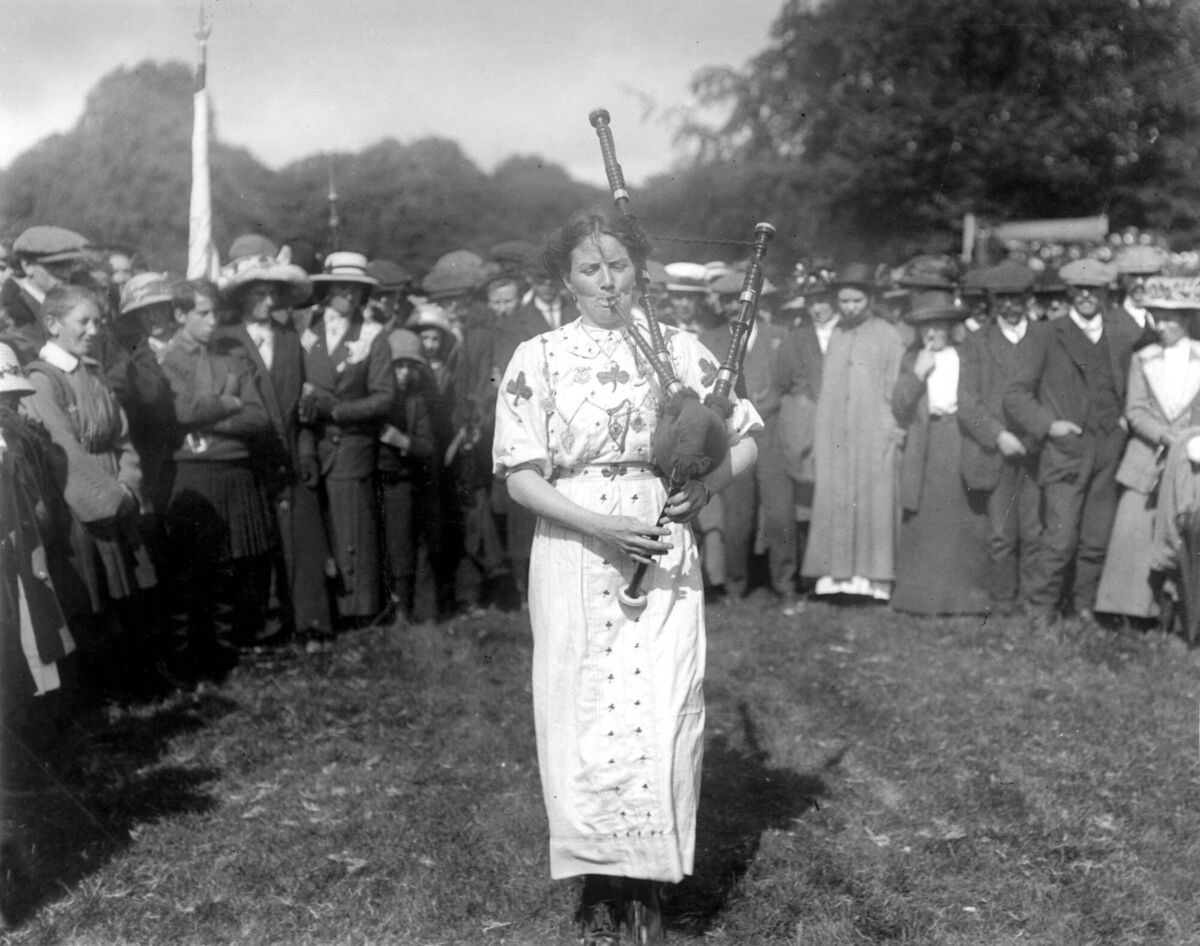
Then, more than 92% of the population identified as Catholic. Religious affiliation was not merely personal; it structured education, healthcare, and politics.
The census did not challenge that dominance, it confirmed it. Minority religions existed, but they were marginal, and religious identity was assumed to be inherited and stable.
A century later, census returns chart a dramatic shift.
Ireland is now religiously plural and increasingly secular.
Catholicism remains the largest single group, but its cultural authority has waned, reshaped by social change, scandal, and generational distance. What once seemed permanent now reads as contingent.
The census reminds us that even the deepest social certainties can erode within a lifetime.
While the census began in Ireland as a tool of administration and control, over time it became something else: A collective mirror.
It asked a fragile new state to confront uncomfortable truths — that independence had not undone demographic decline, that cultural revival faced structural limits, that rural life alone could not sustain the population.
Modern tallys ask different questions, but the purpose is unchanged. To count is to acknowledge uncertainty.
To admit that policy must begin with reality rather than rhetoric. A hundred years on, the numbers show an Ireland transformed — richer, larger, more diverse — but still wrestling with familiar pressures.
Housing, migration, language, and belonging remain contested terrain. In 1926, Ireland learned who it was.
It seems like in every census since, it’s been reminded that who we are is never finished being counted.
CONNECT WITH US TODAY



Be the first to know the latest news and updates