Christmas on the wards, and Taylor Swift in the operating theatre: Meet the UCC-educated neurosurgeon
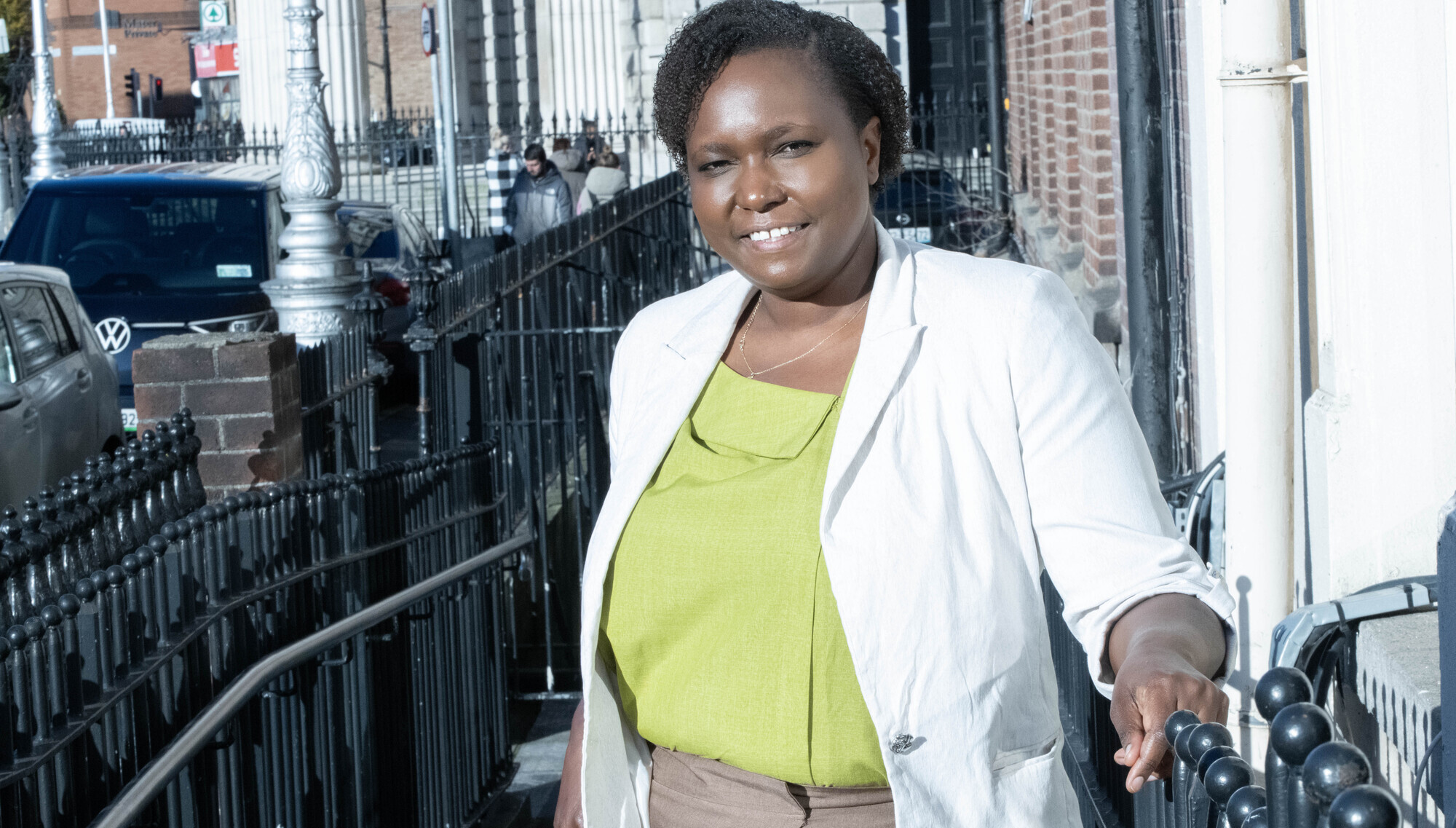
Dr Tafadzwa Mandiwanza, consultant neurosurgeon at Temple Street Children's University Hospital, Dublin. Picture: Moya Nolan
Doctors who work with children often post on social media the one thing they would ask parents to avoid for their kids.
“Please don’t buy e-scooters for your children under the age of 16, seriously,” was the instant answer from neurosurgeon Tafadzwa Mandiwanza in CHI at Temple Street hospital.
“We are seeing a lot of head injuries from these, and we are seeing kids with lifelong injuries that will have resonating effects into adulthood.”
When Dr Mandiwanza did her medical training at University College Cork, e-scooters were not an issue. Even when she started in Temple Street in December 2021, they were not really on the radar.
However, since then, e-scooter-related injuries have jumped four-fold at CHI, leading to traumatic brain injuries, among other shocking consequences.
She treats these and other emergencies alongside her usual work, saying: “You can be called in anytime to treat trauma.”
“I’ve had at times to cancel clinics because I have to take someone to theatre in an emergency. Most people are understanding about it.”

In general, she might treat children with head injuries, spinal tumours, congenital deformities of the spine such as dysraphism, as well as surgical management of epilepsy.
“I just really enjoy working with kids, I think they’re the most resilient of patients,” she said, dismissing the ‘don’t work with children’ advice of some in the profession.
The neurosurgeon, known to everyone as Dr Taffy, loves the Christmas atmosphere on the wards.
A mother of three, she says: “I think I would want my surgeon to be the happiest they could be if they’re going off operating on my child.” That said, pressures are never far away.
“Not many people do this and knowing that helps. I’m doing the best I can because nobody else is going to do it, not many people want to do this.
“It drives me to be the best I can. It doesn’t always work out. It’s hard when the cases don’t go the way you want them to do. It’s very hard, that definitely takes a toll but the majority of my cases will go the way I expect them too.”
She pauses.
“I think stress is good, you have to have some level of stress. If you’re very laid-back and relaxed, especially in neurosurgery, that’s when things go wrong.”
A complex brain or spine tumour operation can take almost a full day.
Taylor Swift helps, Dr Taffy explains: “I love playing music in my theatre.”
It could be Lady Gaga or a musical, or Fleetwood Mac too.
“It’s about the people in my theatre enjoying the music as well,” she says, as a minimum of eight staff work on a brain surgery team.
“It’s a team, there’s no way I’d do this without the people around me.”
Her training at UCC included placements in the South Infirmary and University Hospital Limerick. It was at Cork University Hospital she discovered neurosurgery.
“It’s absolutely the reason I’m here,” she says.
She had planned on cardio-thoracic surgery — inspired by a character in a Sidney Sheldon novel — but “Cork completely turned my head”.
She was one of only two female neurosurgeons in Ireland with Catherine Moran at Beaumont until recently, but shares “some excellent news” of a third — Lena Marie Houlihan at CUH.
“Neurosurgery is tough. It’s very tough as you go through the training. I know how I did it, I had a very good husband and very good sister-in-law, who helped with my family. If I didn’t have them, I probably wouldn’t have finished the training.”
Her daughter is now considering medicine, which she supports.
“It is tough, it’s very hard but I wouldn’t see myself doing anything else."
And her advice? “You do have to factor in your life outside of work, but it is possible. And I think the rewards at the end of the day are amazing.”
The next challenge is moving to the new children’s hospital, which should have happened in 2020.
“Don’t get me wrong, I love Temple Street. I’m amazed every day I come to work that we’re able to do what we do in this environment.
“The place is tiny, we’ve excellent people who’ve adapted and put in new theatres and all this gear.”
She and her colleagues have visited the new hospital. “It’s chalk and cheese to what we have here. It’s going to be amazing.”
The gender pay gap in medicine needs to be addressed, Dr Sarah Fitzgibbon, founder of the Women in Medicine in Ireland Network, says.
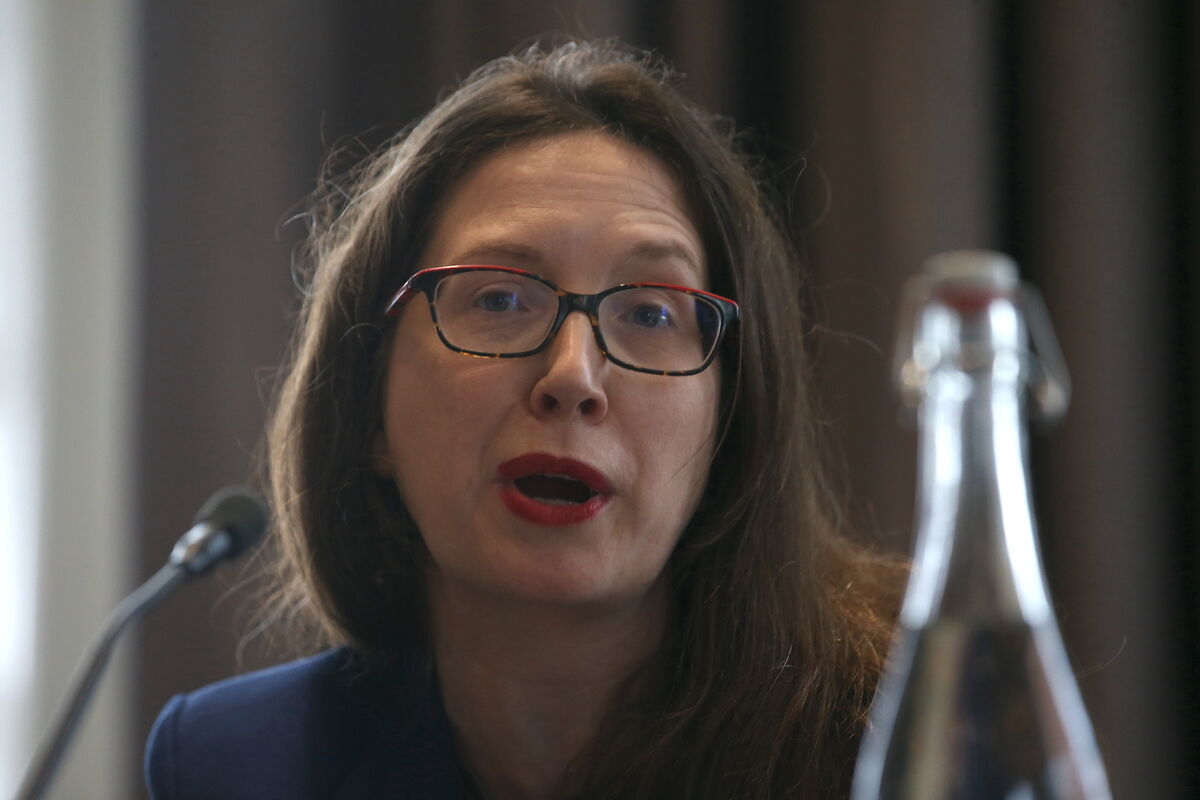
Dr Fitzgibbon, also a GP, say while more women now work in medicine, this change is not happening in all areas.
“Those disparities are persisting and possibly even widening,” she says. “The specialty where we have most women would tend to be public health, that’s about 90%.” These doctors were graded as ‘specialists’ until the pandemic, meaning their salary was lower also.
She praises the Irish Medical Organisation for advocating to change this to consultant status.
“And since then, the number of men going into these roles has gone up.
“So we have shown that when you improve the status of a specialty, you will find more men and fewer women will be involved.”
Other specialties such as palliative care or general practice also tend to have more women than surgical work for many reasons.
“You’ve less opportunity for private practice or additional earnings over your life time.”
In November, the CSO looked at graduate salaries for doctors over a 10-year period.
“They found men by 2023 were earning €700 per week more than women, so €40,000 per year more.”
The latest HSE data shows 78% of its employees are women. This drops to 52% among medics and dentists, and rises to over 90% among nurses.
“We know the income for doctors is high and significantly higher than average, so sometimes it can be feel we might be complaining our diamond shoes are too tight,” Dr Fitzgibbon says, adding: “But is it right that because of your gender you are earning €40,000 less than a colleague?”
CONNECT WITH US TODAY



Be the first to know the latest news and updates