How as taoiseach do you go from a schedule that is packed with world leader engagements, media briefings, Dáil questions, and international travel to nothing?
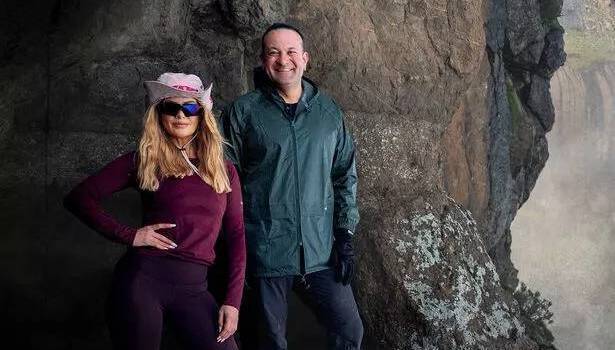
“I’m calling it a gap year, where I have a chance to try lots of different things,” said Leo Varadkar as he prepared to scale South Africa’s Drakensberg mountains as part of a survivor-style TV programme with Cork popstar Lyra.
Last year’s election saw a significant level of attrition, some politicians leaving on their own terms, others being ejected from Leinster House by the voters.
Mr Varadkar was among 30 TDs who announced that they would not be running in another election ahead of November’s poll, accounting for more than 18% of Dáil members.
A further four TDs, Barry Cowen, Aodhán Ó Ríordáin, Michael McNamara, and Kathleen Funchion, had won seats in the European Parliament so bowed out of national politics, while former finance minister Michael McGrath was elevated to the EU Commission.
Another 26 politicians, including former health minister Stephen Donnelly and former minister for culture Catherine Martin ran to retain their seats but failed to get re-elected. Both have been keeping a low profile since leaving Government Buildings.
The transition out of the Leinster House bubble can come as a significant shock, and not all former politicians land on their feet with highly paid lobbying roles as is sometimes the assumption, although many do.
“I’ve started driving again only in the last two or three weeks after, I don’t know, like 13 years,” said Mr Varadkar, who had become accustomed to having a driver as part of the job, admitting in the RTÉ documentary to struggling with the ignition.
In the six months since the general election, Mr Varadkar has kept busy with multiple trips to the US where he has been appointed spring 2025 Hauser Leader at Harvard Kennedy School Center for Public Leadership and has become an adviser with Washington-based PR company Penta.
He is also writing an autobiography, due to be published in the autumn.
“I don’t have to care about what the media think, or what the party thinks, or even what the voters think, so I can just be myself more,” said Mr Varadkar.
Others who have left political life include former government chief whip Paul Kehoe, who recently joined the board of directors of Wexford Food Producers Network.
Meanwhile, Fianna Fáil stalwart Éamon Ó Cuív has been inaugurated as the 2025 president of Oireachtas na Gaeilge and has not ruled out a run for the Áras.
“I do think Fianna Fáil should have a candidate,” Mr Ó Cuív told the Galway Advertiser. “If they were to ask me? I’d have to think about it; but I’m not looking for it.”
In a turn of events, Denis Naughten has rejoined the Fine Gael party, confirming this during an emotional address at a party selection convention to fill his late brother John’s seat on Roscommon County Council in February.
Mr Naughten left Fine Gael in 2011 over the closure of Roscommon’s emergency department, but continued to serve until last year as an Independent.
Among the wave of Green Party members to lose their seats was former junior minister Joe O’Brien who has been appointed executive director of the Irish Council for Civil Liberties.
Former Dublin Central TD Neasa Hourigan is now “quietly doing some work for a few clients” in the sustainable construction consulting area but is spending a lot more time with her children.
“I can’t complain, which is saying something since I was very sorry to lose the seat,” said Ms Hourigan.
Others who lost seats are back in politics through the Seanad route including Anne Rabbitte, Chris Andrews, Malcolm Noonan, and Pauline Tully.
A sense of relief to be off the public representative hamster wheel is the common feeling among departed TDs, but life after politics is also a major transition which has not been universally easy.
Seán Sherlock: 'I'm getting to do the normal stuff'
Former Labour Party TD Seán Sherlock has started a part-time master’s in maritime law and has also dipped his toe in a “small bit of consultancy work” for a local company.
“Life is good,” he said, adding that he is finally getting to do the “normal stuff” in life.
Seán Sherlock: Seeing my kids grow up in real time is a privilege.'
The redraw of the constituencies resulted in Mr Sherlock’s home base of Mallow being moved from Cork East into Cork North Central.
“I’m very happy with my choice, I have no regrets, I’m spending a lot more time with my wife and kids. I am finding more time for the normal family things in life.
“I am seeing my kids growing up in real time which is an enormous privilege.”
Mr Sherlock says the juggle now is about co-ordinating underage match drop-offs and running clubs.
After 17 years of being in public life, he says, he did not realise the level of stress associated with the job, which was “24/7” until he stood back.
“Life has moved on and it’s a different pace of life.”
Simon Coveney: 'I didn't leave politics to retire — I'm as busy as ever'
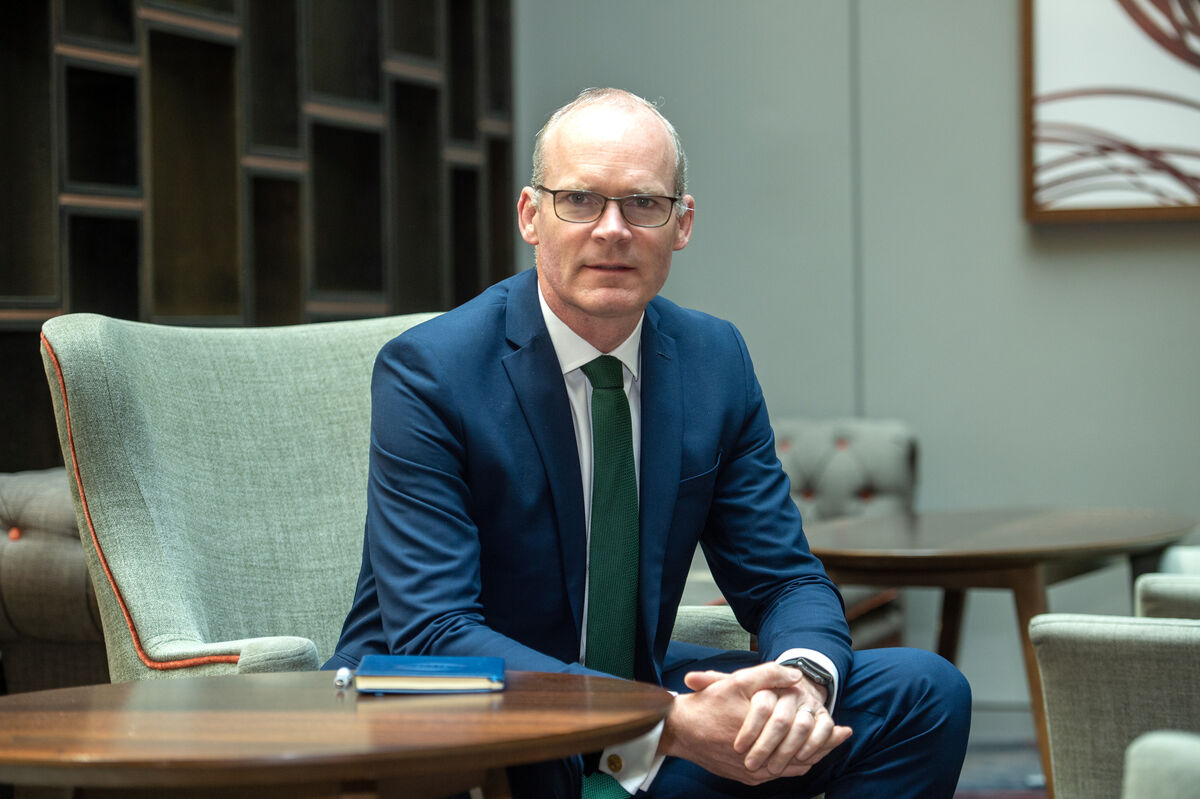
Life for Simon Coveney is as busy as ever as he travels from Cobh to Copenhagen and Abu Dhabi as part of a number of new ventures he has jumped into since leaving politics.
“My daughters would be the first to say ‘dad, we like it when you are busy’ because I am generally more energised when I am busy,” said the former tánaiste and long-serving Fine Gael TD.
“What I would say is I am more in control of my time now. Some of the things I am working on are projects I am driven by because there is a force for good behind them, other things I am doing on a commercial basis. I am trying to get a good mix there to make sure that I am staying energised about the work I do and the people I work with.”
In January, he was appointed a non-executive director of the Irish engineering and automation solutions company Reliance; last month, it was announced that he had joined EY Ireland’s geopolitical strategy team as a consultant, and just last week, he added another title to his CV, that of senior advisor at EMIR, a Dubai-based advisory and research firm.
“I didn’t leave politics to retire. I had a choice to make and I made it years ago, in truth; if and when I was to leave politics did I want to develop a second career? So the reason for leaving politics at the age of 52 was that I had time to do substantial other things.”
He has different reasons for taking up the various roles but one which he is keeping at least partly under wraps for now is his Caradem Democracy Initiative, which will not necessarily pay the bills but keeps him on the international political stage.
“In some ways, the most challenging project that I’m doing is I’m a founding director along with [former Labour leader] Eamon Gilmore and Catherine Heaney [of Edelman] in setting up an international advisory not-for-profit company focused on what we call ‘democratic resilience’.
“It’s essentially helping government and state institutions in parts of the world that are being challenged by conflict or corruption or an undermining of democracy, to help them build resilience.
"That could be coalition formation, it could be writing a constitution, it could be setting up regional parliaments, it could be community policing, it could be dealing with online threats to elections and to state infrastructure.”
Caradem Democracy Initiative has gathered a panel of expert advisers, including former politicians and those who have been leaders in other public bodies as well as private sector individuals, many of whom have been part of the project for nearly a year.
“You would know a lot of the names,” Mr Coveney offers, but says that more details will be provided when the initiative is formally launched later this year.
“It’s a project that’s not about financial gain for me, it’s what I would regard as a ‘mission for good’ project and I think the others are involved for the same reasons.”
Mr Coveney was drawn to the growing list of titles he now holds for different reasons — the EY position allows him to stay involved in energy, security, and tech, while he took up the Reliance board position as “the company is 100 years old and is a great Cork enterprise story, which I like”.
“In Ireland, I wanted to work with a number of different companies in different ways so I set up my own advisory service called Waterfront Advisory, which is effectively headquartered in Cobh. That allows me then to work in a business-like and professional way with big clients.”
The EMIR position sees him travelling to the Gulf region for about a week each month and he stresses that it was founded by an Irishman, which was a draw.
Overall, life has changed but has not slowed down, with which Mr Coveney is very content.
Eamon Ryan: 'Politics was a privilege but it's time to do something different'
Eamon Ryan has been here before, so time in the employment wilderness does not faze him.
Last June, Mr Ryan, who had been Green Party leader since 2011 and was first elected to the Dáil in 2002, announced that he would be stepping down.
Having lost his seat in the 2011 wipeout for his party, he says being out of the political bubble and out of work is “strange” but “familiar”.
“It’s weird. When you’re going from having meetings every half an hour, every day, all day, to one where your diary is much simpler, that is a bit weird,” he said.
“It takes a while to adjust to it. But because I’ve been here before, I think that was slightly easier in my case.
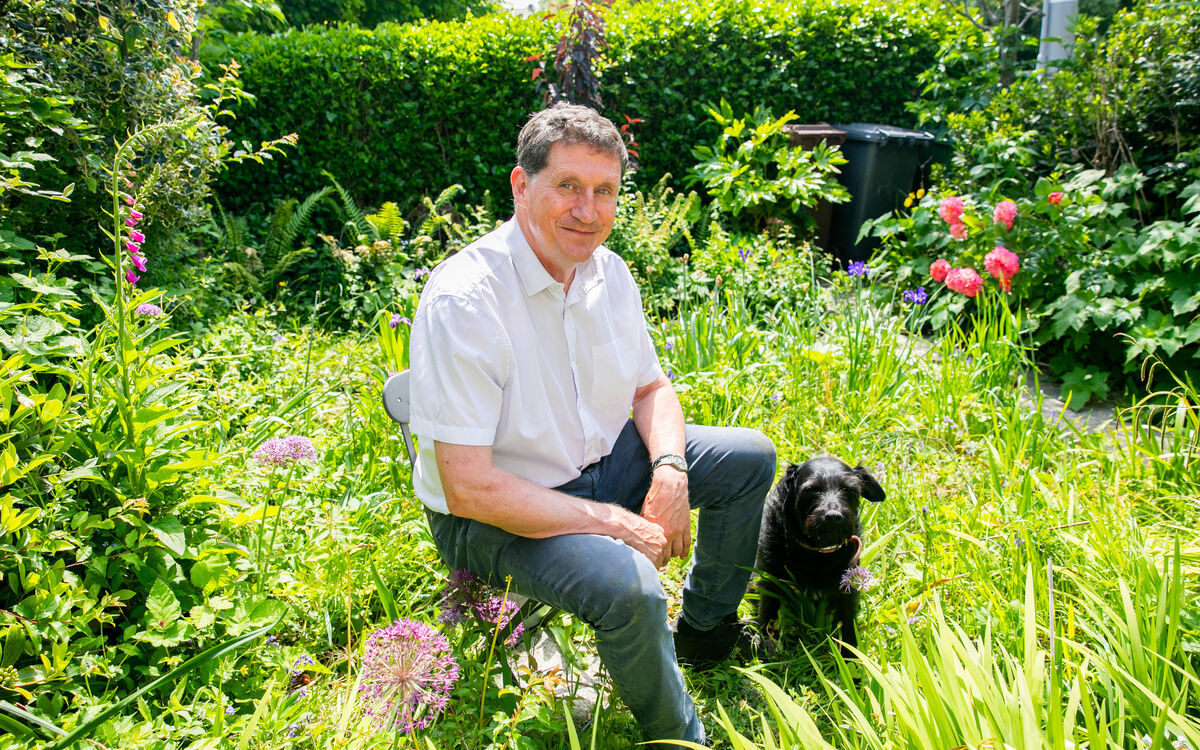
“I’m not retiring, I just didn’t run for the Dáil,” he said, adding that he has also had a chance to spend more time in his beloved Inishbofin and his garden.
Last time around, he says, a number of projects “all came to fruition at the same time,” so he expects something similar to happen in the coming months.
He has “various irons in different fires” but will be focusing on issues of climate and sustainability.
“I’m not rushing myself into anything, because I don’t have to.”
For Mr Ryan, the transition out of politics was a gradual one.
As a member of the previous cabinet, he had to stay on as a minister until the end of January, which was not a “normal” work period, but he “still had to be there every day”.
“For me, the reason I stepped down was because I’ve been doing it for 30 years, and I’ve been, to my mind, at the very top. If you’re a leader of a party in Government, that’s an incredible privilege. It was something I really enjoyed, it was real honour.
"But I felt it was time to do things slightly differently, to keep working in this whole area that I’m interested in, but use that experience maybe in a different way.”
Mr Ryan, especially in the last Dáil, became a punchbag for many rural TDs, coalition colleagues, and even Ryanair boss Michael O’Leary.
“Absolutely,” he says, adding that he would encourage everyone to get involved in politics even if that is at a hyper-local level.
I always think when you run for office, whether that’s parish council, whether that’s local government, you’re engaging as a citizen, it’s a very republican thing to do in the sense that we’re all equal and it’s open for everyone to take responsibility in whatever way they want.
“It could be the parents' council in the school — start there.
“It’s actually an honour and a privilege to take any representative role.
“You change from ‘they should do something’ to ‘we should do something’.”
Joe McHugh: 'I'm going into business'
Former education minister Joe McHugh is now preparing to enter the private sector.
He is completing his dissertation as part of the final stages of a course in positive health coaching.
“I planned for the transition a couple of years ago when I started my master’s,” he said. “So that’s going to be completed in the next few weeks.
“I’m going from a world as a public servant to business. It will be a big transition, but I’m really, really excited and looking forward to that.”
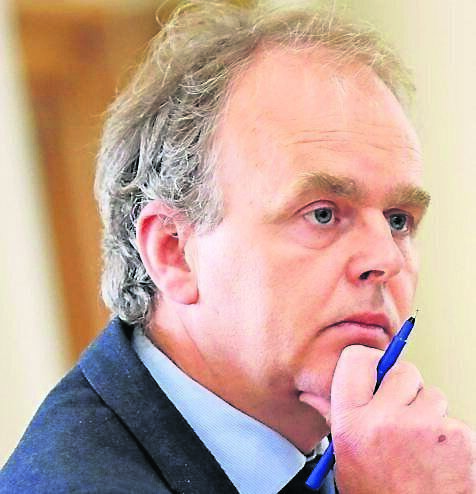
In Government, Mr McHugh faced a backlash when he was appointed to the Gaeltacht brief by Enda Kenny without having a proper grasp of the language. However, he endeavoured to become fluent during his time in office and has now published a book on reconnecting with the cúpla focal.
“Like everything in life, once something ends there can be a void and certainly the book was great from that point of view as it allowed me to reconnect. I had a launch in Dublin, a launch in Donegal, one in Galway. It allowed me to reconnect, and to keep the connections up.
“It was a way of staying relevant as a opposed to going off the side of the cliff of politics.”
Mr McHugh says he has no regrets about his time in politics, but adds: “What you sign up to as a politician is two words — public representative.
“You are the representative of people and that requires a vigilance 24/7, you have to be attentive, you have to be there, you have to be available.
“So I suppose the private life gets clouded. So the big transition for me is now, all of a sudden, I have a private life that I’m absolutely valuing.”
Heather Humphreys: ‘Happy to be outside politics, but not ruling anything out'
Heather Humphreys was sitting in the Dáil members’ bar on a July day in 2014, just over three years on from winning her seat.
It was reshuffle day, and speculation was abounding among TDs as to who was in and who was out of the new cabinet.
“Everybody was talking about who’d get what, and all the rest,” said Ms Humphreys. “And I said to them, ‘hey, I’m off, I’ve work to do, it’ll not be bothering me’.”
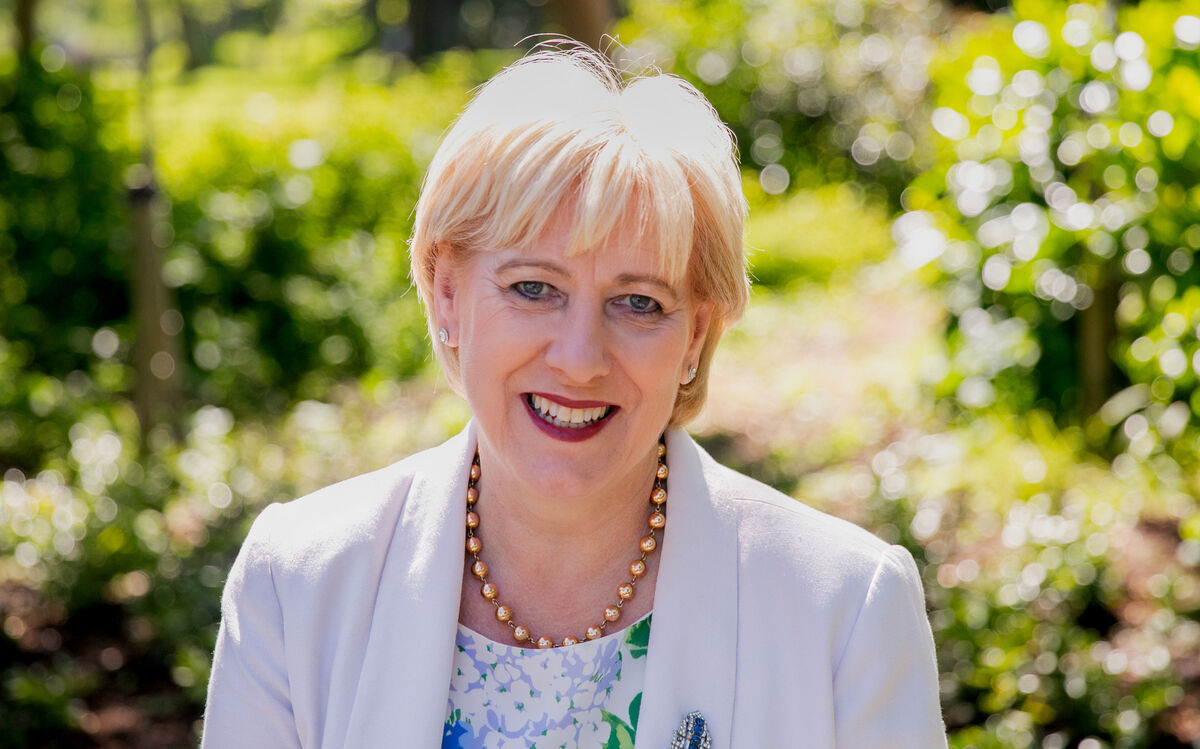
However, it was not long after returning to her office that her phone began to ring, with a message from Enda Kenny to come and see him.
Ms Humphreys was to be appointed as the new minister for arts, heritage and the Gaeltacht, just two years out from the 100-year commemoration.
She said she called into the office of Patrick O’Donovan, now the arts minister.
“He was saying ‘the speculation is that such a one’s getting such a thing and whatever else, and the minister for arts, heritage and the Gaeltacht is going to somebody else’ and I said ‘no, it’s me’. He looked up at me, and I nodded my head, because I really couldn’t talk. ‘You?’ he says. ‘Yeah’.”
While she mentions changing policies such as jobseekers’ pay-related benefit and the eventual rollout of the auto-enrolment pension scheme as highlights of her career, Ms Humphreys says that there were times when the government got it wrong.
“The one regret I have, and it was a collective decision we all made, but you think back to covid,
I think that the rule that was brought out that you couldn’t be near your dying relative, I think that was probably the hardest thing.
“You had family members that passed away during covid, they didn’t have their family with them and that’s terrible.
“That really was very, very hard and we had to take the medical advice at the time. But it always comes back to me many times to think how awful it was for those families.
“Maybe it could have been done differently. I don’t know.”
One thing she does not miss is the day-to-day politicking of the Dáil, but the Monaghan woman is still keeping an eye on things, particularly the turbulent second coming of US president Donald Trump.
“It is interesting and challenging times, there’s no doubt about that. But like everything else, you know, you just have to work your way through them.”
After 14 years in frontline politics, Ms Humphreys decided to call it a day after the 2024 general election.
“I’m quite happy to be outside it. I’m taking it easy now and it’s the first time in my life that I can do what I want.”
She says that after a 47-year career, in politics and outside it, she is now able to spend more time with family and friends and in her garden.
However, she is coy about the question of a presidential race, saying she is taking a break for the meantime.
“I’m not giving up, doing nothing for the rest of my days. I’ll do something, but I don’t know what I’ll do and I’ll see what opportunities present themselves.”
So not ruled out, but not ruled in either.
— Tadgh McNally
Patrick Costello: ‘A lot of activism to do still’
Adjusting to life after losing your seat can be frustrating as former Green Party TD Patrick Costello is learning.
“When you’re in the Dáil it’s deeply frustrating, but it’s better to be inside and pissed off than outside and pissed off,” he says.
“It’s frustrating, because there’s still so many things you care about, you get into politics to change things, to make things better, and it’s trying to find other outlets for that now.
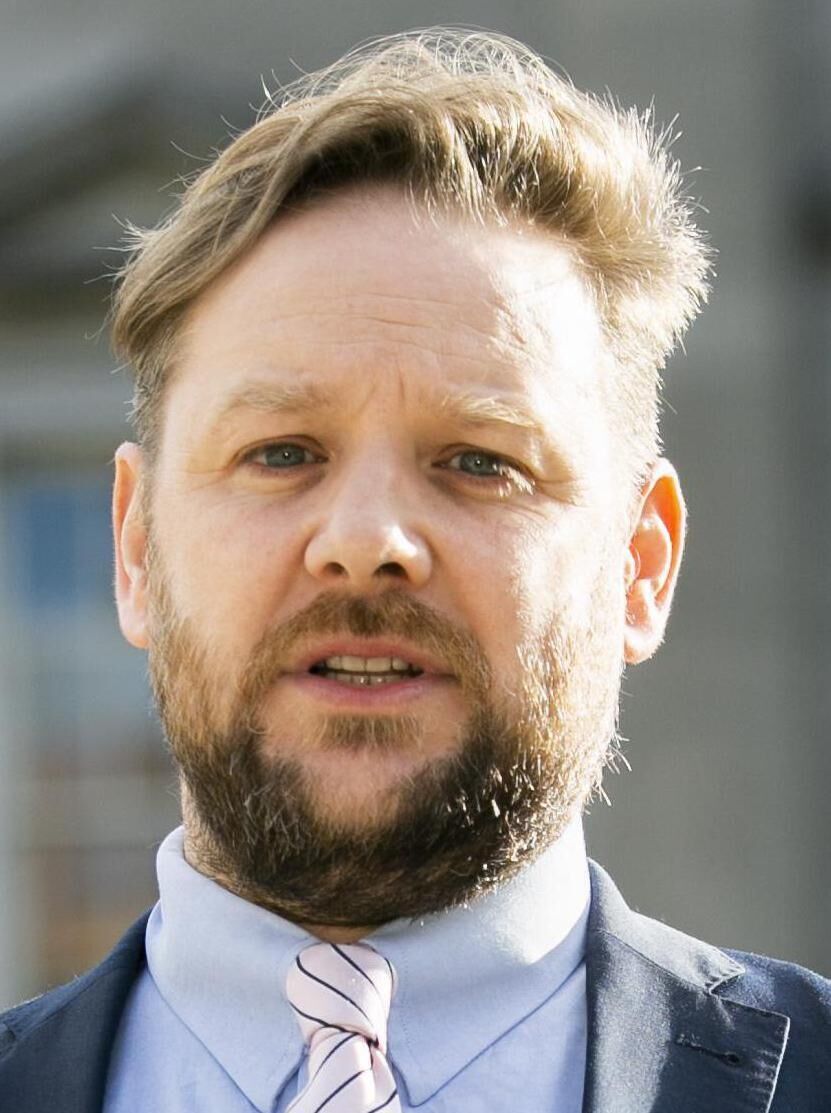
“There are plenty of times you see something and think ‘I should be raising that, that’s perfect for QPL [questions on promised legislation], that’s perfect for a topical issues’ and it’s like, ‘well, I haven’t got access to that anymore’.
“The thing is, we’re all still very committed, so there’s still a lot of campaigning and activism to do. You’re a little freer to speak when you’re not in Government as well, which helps.”
However, he is relieved to now have the luxury of not being obliged to use social media sites which he says can be a “cesspit”.
He is on the hunt for a job, but has enjoyed the extra time with his family.
Ciaran Cannon: 'I miss aspects of it but am having a ball'
Former minister of state Ciarán Cannon thought he was done with manifestos until he found himself writing up one for his newest gig.
The Galway native was this month ratified as Cycling Ireland president for the next three years.
He has also found a new day job with Alison.com, an online education company that has 50m learners across 193 countries, but which was founded by Mike Feerick who lives just 10 minutes away.
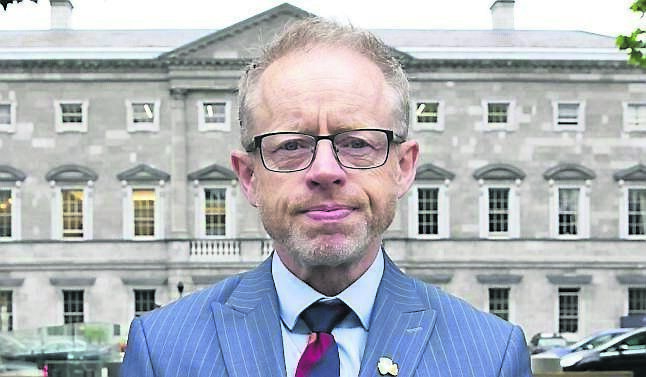
“We had several cups of tea when I announced I would be stepping down, so it was like a slow courtship,” he jokes.
“I knew I wanted to keep working,” said Mr Cannon, who will turn 60 later this year.
“There were two things I was not prepared to compromise on — the first was that it had to be fully remote, and the second is it had to have a major societal benefit.”
He now spends his working day at home, speaking to colleagues in Cape Town, Armenia, and Offaly and negotiating partnerships including a recent one with the Indian government.
“I miss aspects of it,” he says, pointing to his work as a junior minister, some of which he said was “groundbreaking and really fulfilling”.
However, this was not the same when he reverted to the backbenches, which was a significant factor in his decision to leave politics.
Being away from politics has, along with cycling, allowed him to play and compose more music.
“I’m having a ball,” he says.
Brendan Griffin: 'I love the simple things, no longer public property'
Brendan Griffin was among the first of an avalanche of Fine Gael politicians who announced they would not be standing in another election, so he had almost two years to figure out his next steps.
The former Kerry TD has joined former tánaiste Mary Harney at Hanover Communications.
“I do miss that kind of daily interaction with good friends,” he said.
“But on the other side, I really love the simple things like the school run, having the chat in the morning, going down in the car and coming back up in the evening, hearing about the day, just being around at nighttime when the kids are going to bed and being there in the morning for breakfast. These days we’re sitting having breakfast outside on the lawn. It’s so different.
“Going for a walk at lunchtime and not having to justify myself to anyone. You are no longer public property,” he says, adding that the new position is almost entirely remote, which is a massive change from the five-hour commute to Leinster House.
As a senior public affairs adviser, a key focus of his work, according to Hanover, will include enhancing its strategic counsel and public affairs offering to clients in the transport, sport, and tourism sectors.
Mr Griffin is also writing a children’s book.
“I look forward to turning on my phone now in the morning. Previously, I would be wondering what is going to be coming through, you know, an avalanche of news and requests, and maybe media requests at short notice, that stuff, that’s been the big change.”
John Paul Phelan: 'Having time with my young son is special'
Having been elected onto Kilkenny County Council aged 20 back in 1999, John Paul Phelan knew nothing but politics when he decided to bow out.
He jokes that he recently did up a CV, something he never had to do before in his life.
Contrary to some opinion, not all former politicians land high-paid and high-profile lobbying positions, but the former Fine Gael TD has enjoyed taking time out with his family.
“I’m minding a child and renovating a house. I’m not going to be doing the trade work, but I am good at demolition,” he says in reference to the significant role he had in the now infamous ‘five-aside’ Fine Gael group who pushed to challenge Enda Kenny’s leadership.
Mr Phelan is chair of his local GAA club Tullogher-Rosbercon, is on the board of his local primary school, and as a former pupil of Good Counsel College in New Ross he has joined the Augustinian Schools Trust.
“I’m taking time off at the moment but I know that will also have to come to an end at some stage,” he says, adding that having time with his two-year-old son has been special.


Cancel anytime
CONNECT WITH US TODAY



Be the first to know the latest news and updates

More in this section