'It’s important that we don’t dehumanise people', says Limerick outreach services worker
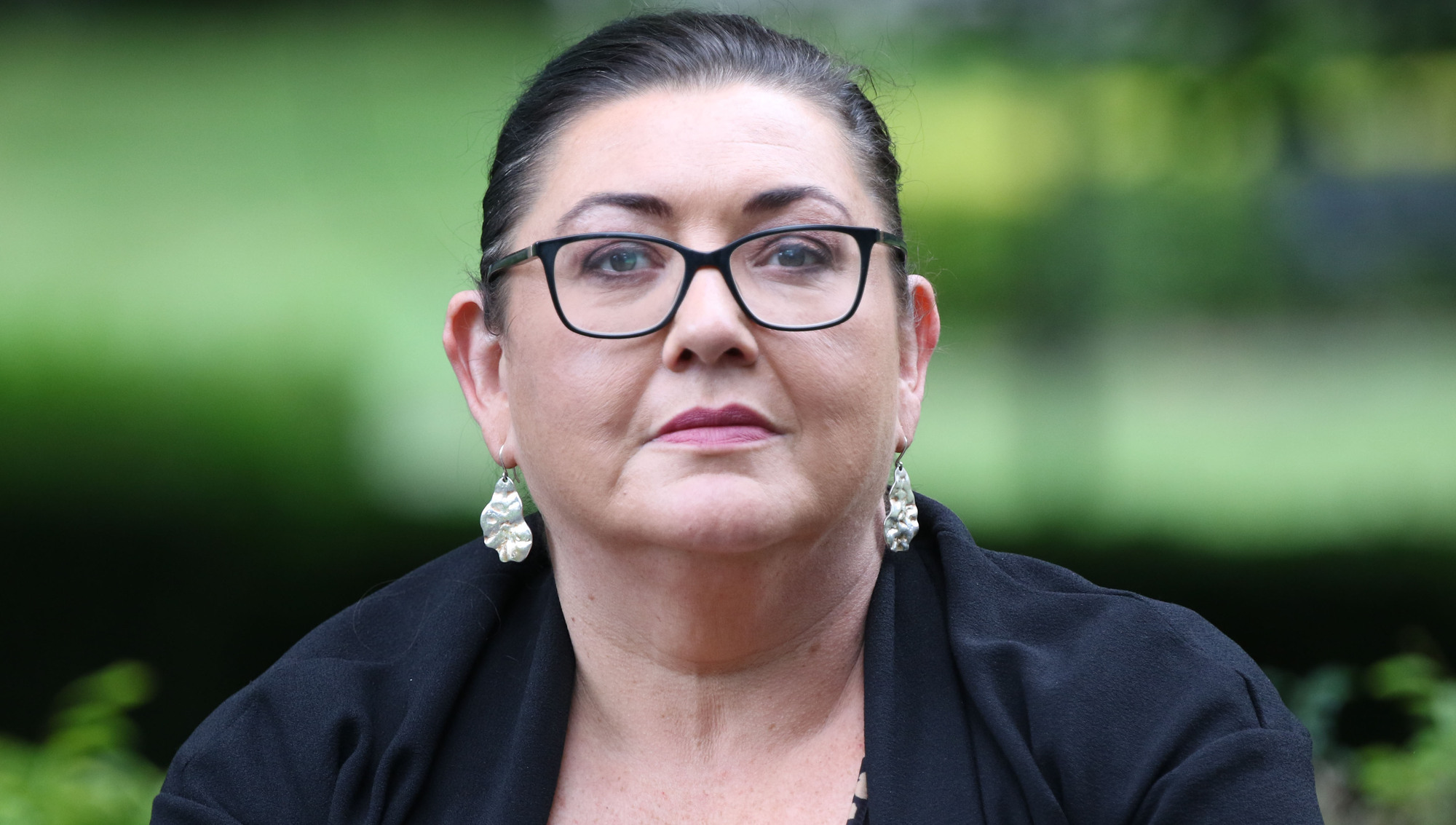
Julie McKenna, who is the senior operations manager for Novas Health and Recovery Services, has been working with outreach services for almost two decades
'It’s important that we don’t dehumanise people', says Limerick outreach services worker

Julie McKenna has been working with outreach services for almost two decades.

On the streets of Limerick, you see familiar faces. Some of the rough sleepers might ask for a bit of change — or a cup of coffee with seven or eight sugars.

Any of these people has a backstory and a “history of trauma”.

Julie McKenna, who is the senior operations manager for Novas Health and Recovery Services, has been working with outreach services for almost two decades.

This article is part of a special report looking at drug use in Limerick.

During this time, Ms McKenna has met some of the “most resilient” people.

“They are people who have been quite stigmatised and experience shame, an awful lot of bias,” she told the Irish Examiner

“Any person that you meet on the streets in any city or county in Ireland that has a cup in front of them, there’s a real long backstory there before a person gets to that space.

“They’re still a human being and there’s still somebody with huge potential and lots of qualities in life. They are still somebody’s brother, sister, parent, sibling, son, daughter, or friend.

“It’s important that we don’t dehumanise people who have these experiences.

“I’ve met the most fabulous, strong, courageous, resilient people I’ve ever met in my life. They have amazing survival skills and it would be great if we had more services, if we had safer spaces for people.”

Based in Novas’s headquarters on O’Connell St, the Mid-West community detox programme is part of a nationwide initiative supported by the HSE to assist those wishing to access safer outpatient detoxification from benzodiazepines and/or methadone.

Even though Novas primarily works as a homeless organisation and acts as an approved housing body, the team offers referrals to other services.

“We will take all sorts of referrals, even if there’s polydrug use or other drug use that people are engaged in if they’re using other types of substances,” Ms McKenna explained.

“If we take the referral, we do the assessment with somebody, and they’re not the correct remit for our service, we will do harm reduction with them around how to keep themselves safe.

“And we’ll work towards linking them in with the correct service that is ideal for their particular needs at that time.”

The charity also offers help to family members impacted by addiction.

“Sometimes what you find is that when the person who uses drugs wants to make a change in their life, that it’s really an ideal opportunity for the family members, or for whoever their most supportive person is in life, to get support as well and everybody goes on a journey of recovery together,” she added.

According to Ms McKenna, this approach leads to “better outcomes” for someone who uses drugs.

Even though the profile of their clients is wide-ranging and reflects the fact that anyone, regardless of their age and gender, might experience difficult times, she points out that they are getting “slightly more male referrals”.

“There is a high increase in females who are vulnerable and who are sleeping rough in Limerick at the moment,” said Ms McKenna.

“The rough sleeper numbers in Limerick are continuing to grow.

“In regards to people coming through, looking for support or treatment, the balance is on the male side mostly.”

To help those living in vulnerable situations, the volunteers have to engage in a “steady” and “consistent” manner.

“I wouldn’t say that people would ever refuse your help but you have to recognise that when people are in an unsure and unstable situation where they may be sleeping rough, they may feel that they’ve been let down by services in the past,” Ms McKenna explained.

“It takes people a while to get to know you and to get to trust you and to build that rapport and build that relationship with you. So it might be a situation where it has to be a very slow and steady, consistent engagement with the client for them to trust you.”

Ms McKenna said all the resources are “limited because of funding”.

“We stretch those resources as far as we can to meet each other and try to get the best outcomes for the clients in the Mid-West.”

In March, the HSE’s opiate substitution treatment clinic worked with 258 clients who attended for opiate treatment, with an additional 139 clients treated by their own GP.

Rory Keane, regional co-ordinator with the HSE Mid-West’s regional drug co-ordination unit, said supports for those using heroin are based around a “harm reduction approach”.

He added: “For people in the early stages of use, who are not yet looking for treatment, needle exchange is provided to promote safer use.

“Naloxone [which is used to reverse opiate overdoses] is made available to those using opiates, along with training in relation to overdose prevention.”

As part of its approach, Ana Liffey Mid-West’s Limerick centre provides clean syringes in a bid to reduce and prevent the spread of HIV and other diseases.

In December 2024, Ana Liffey opened Ireland’s first medically supervised injection facility in Dublin to provide a clean and supervised environment for intravenous drug users to be under the care of medical professionals — an initiative many are hoping to see in Limerick some day.

In a bid to look at early intervention and prevent initial harm, the Community Access Support Team (Cast) pilot programme was launched in October 2024.

A partnership between gardaí and the HSE’s mental health services, Mid-West community healthcare, the pilot programme has been trialled in the Limerick garda division.

Based in Henry Street Garda Station, the Cast service responds to calls via the 999 control centre for the Limerick division or through referrals from lead agencies and local services.

The pilot included the delivery of specialist training to gardaí in the areas of self-harm, suicide prevention, mental health first aid, and screening and intervention for substance misuse

More in this section

Lunchtime News

Newsletter

Keep up with stories of the day with our lunchtime news wrap and important breaking news alerts.

Cookie Policy Privacy Policy Brand Safety FAQ Help Contact Us Terms and Conditions

© Examiner Echo Group Limited