'I’ve buried millionaires and people who don’t have two pennies — none of that makes a difference in death'
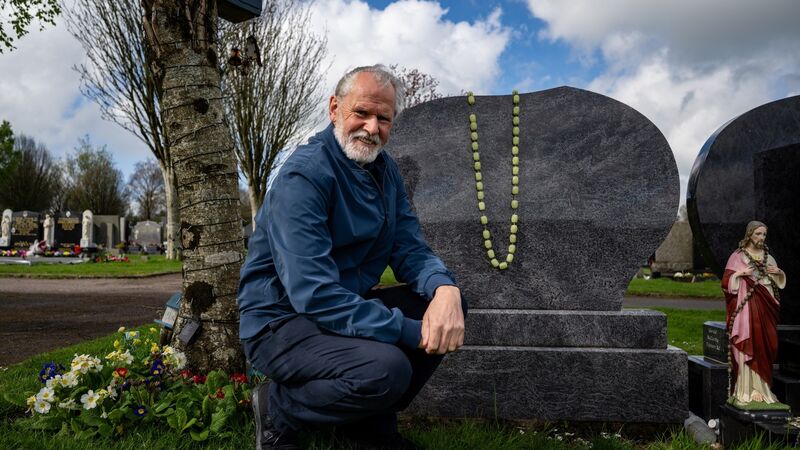
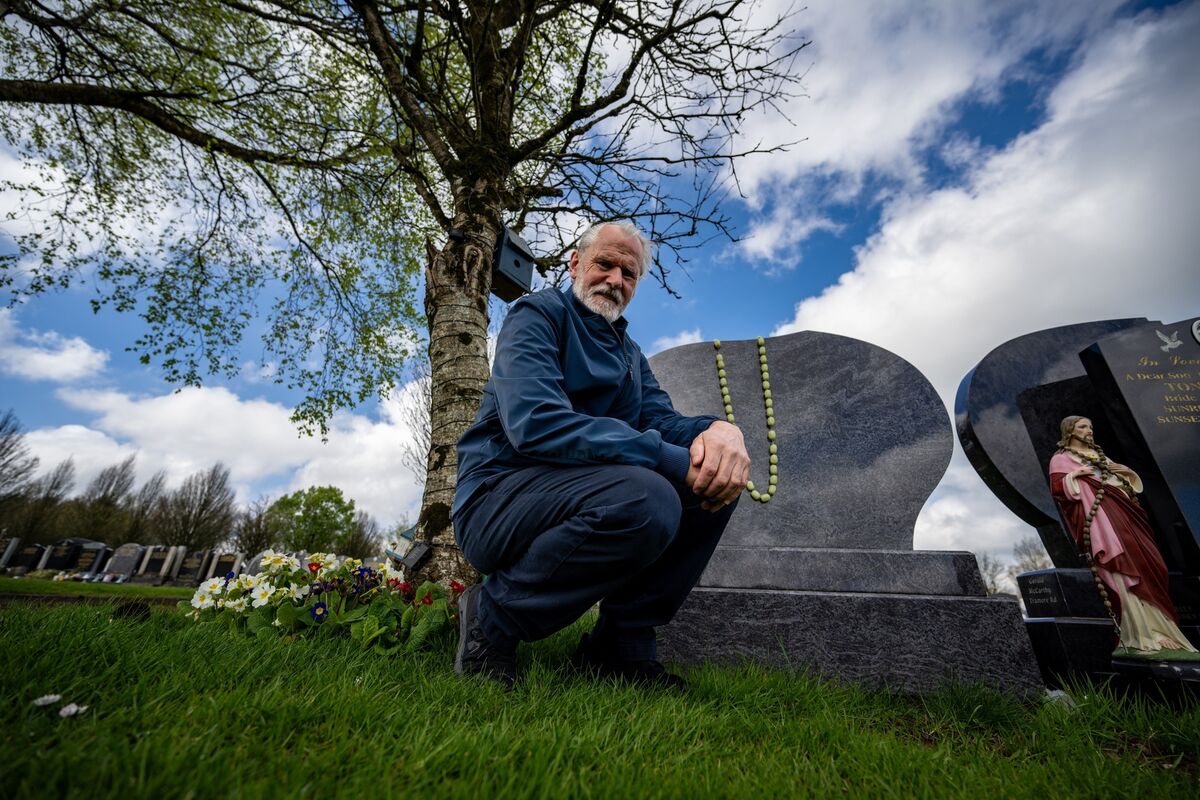
Retired gravedigger Stephen O’Connor: 'If the cemetery has taught me anything it’s that in the end nobody is really better than anybody else. I’ve buried millionaires and people who don’t have two pennies to rub together, but none of that makes a difference in death.' Pictures: Chani Anderson
Gravedigger Stephen O’Connor’s voice breaks as he recalls a heartbreaking request from the father of a little boy who was scared of the dark.
“Can you do me a favour?” the man asked him. “Can you turn his nightlight on when it gets dark? He’s afraid of the dark.”
The grieving dad’s haunting words are seared into Stephen’s memory and form just one of the stories he shares with the following his retirement at the end of March.
Stephen from Blarney Street — who moonlights as an actor and played a role in the movie — has served as a huge comfort to people during his 19 years digging graves at St Catherine’s cemetery, Kilcully in Cork.
A number of parents, in particular, who buried young children there know this all too well. The 67-year-old insists his little actions of kindness are the least he can do for people facing unimaginable tragedies in their lives.
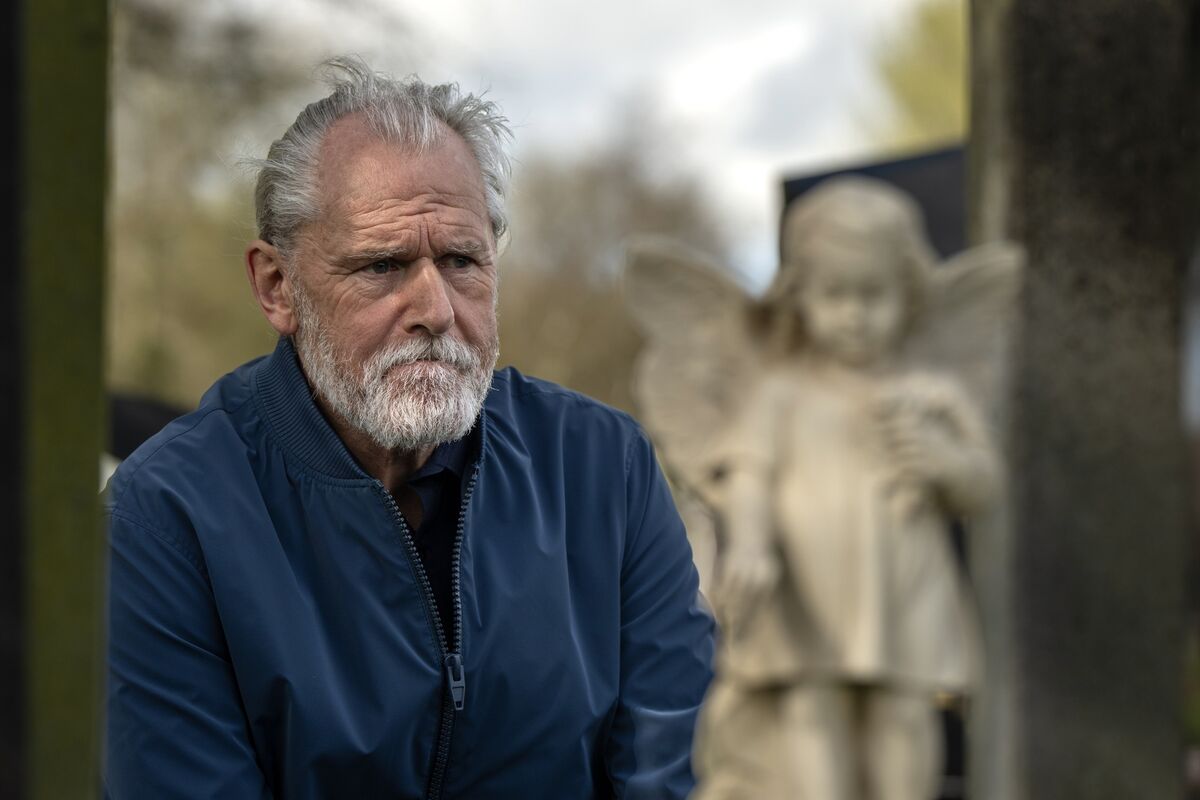
“I’ll never forget the father with the nightlight on his little boy’s grave,” he said by way of example. “It was battery operated so switching it on during the day would have defeated the purpose. The batteries might have run out by the evening so it was really important there was someone there to do it. It was his first night in St Catherine’s cemetery.
"The father was very thankful and appreciative even though it was only a very small thing. All I did was flick a switch but it meant so much to the man. I hope it was some consolation to him. His words have stuck with me since. I’m glad I was able to keep my promise.”
The deaths of any child, and seeing their families having to bury them, weighs heavily on Stephen, and it is never something you become immune to — no matter how long you are in the job.
"It’s getting worse with the mobile phones now. When I was that age you would have to walk all the way to a public phone on Patrick’s Street just to make a phone call but that’s all changed now.
"While mobiles phones are a gift in one sense, they are a curse in another. Kids could be in bed at 3am and still being bullied. The technology to allow this to happen didn’t exist when I was a kid but children have a lot to deal with now. We’re seeing so much in the news now about children taking their own lives due to abuse online.”
The Cork man said deaths as a result of suicides are, unfortunately, a pretty common occurrence at the cemetery.
“We have buried so many people who have taken their own lives — from those who owed drug money to ordinary people with problems on their shoulders that they couldn’t carry.”
And not everyone wants to be buried alone, as Stephen has witnessed during his two decades of grave digging.
“People have been buried with all kinds of things. They have even been buried with money. It happens regularly enough. I’m not sure what the idea behind it was. Maybe they thought it would pay for the trip to heaven. The jury is out on that one.
"On one occasion, I saw close to a thousand on the coffin in paper money. One person threw a 20 and the other threw a 50. It was like everyone was trying to outdo each other. It seemed a shame because it could have gone to a charity but it was how they wished to pay tribute.
And it is not just money that has ended up going into a ground with the deceased.
“There was a child who was buried with their scooter. We’ve also had basketballs, footballs, along with musical instruments."
"One group of men took off everything from their waistcoats to their ties until they were down to their vests. I don’t think they planned it out well as I heard one member of the group ask 'how are we going to get home now? We have no shirts or anything?' They felt the cold just like the rest of us.
"Then there were the cans of beer that went in. We were also amazed at the bottles of whiskey. We try and accommodate everyone because of the nature of the job and people’s grief. It’s tough watching anyone cry so we’ll always try our best for them.”
Some requests, however, are just a step too far to be accommodated by the gravedigger, who is employed by Cork City Council.
“You can get three into a grave after purchasing one. A lot of the time you can get four in. People often asked us if we could get a fifth person into the grave. We explain that this wouldn’t be possible, but oftentimes they don’t understand.
And while Stephen’s job was largely focused on the deceased, he often looked out for the living too.
“You get all kinds of displays of grief and emotion. Some people don’t say a word. They just listen to the priest and say their prayers. Others are visibly emotional. Some will even lean on the coffin and put you off balance.
"I remember a man who was in a very bad way. I was trying to reassure him that things would improve. He told me later on that he was close to ending his own life before speaking to me. He’s getting there now. The shine has gone off his grief in one sense."
And understandably, grief extends well beyond the day of burial. "One man brings a portable chair and spends the day sitting next to the grave of his partner. He does this rain or shine. That’s his way of grieving.”
But Stephen says there is often light in even the darkest moments.
“There was one little girl that I’ll never forget. She threw a flower on the coffin and said: 'Grandad, you know I always loved you and I always will.' With that, she turned around and walked away. I thought it was so sweet. She would have been no more than six years of age. She was so full of business and said what she had to say in such a commanding way.
"There are lovely moments mixed in with the grief. Our job is to be as invisible as possible. I always felt guilty about being in the midst of people’s grief. It’s a personal thing and there you are in your dirty overalls and overcoat thinking that you shouldn’t be there at all. The fact is that this is our job. We have to be here. We have to put the coffin into the grave but you do feel like you are encroaching on people’s grief.”
“If the cemetery has taught me anything it’s that in the end nobody is really better than anybody else. I’ve buried millionaires and people who don’t have two pennies to rub together, but none of that makes a difference in death.”
- This article was originally published on April 5, 2025.
CONNECT WITH US TODAY



Be the first to know the latest news and updates