Climbing out from the depths of hell four years after Beirut Port explosion
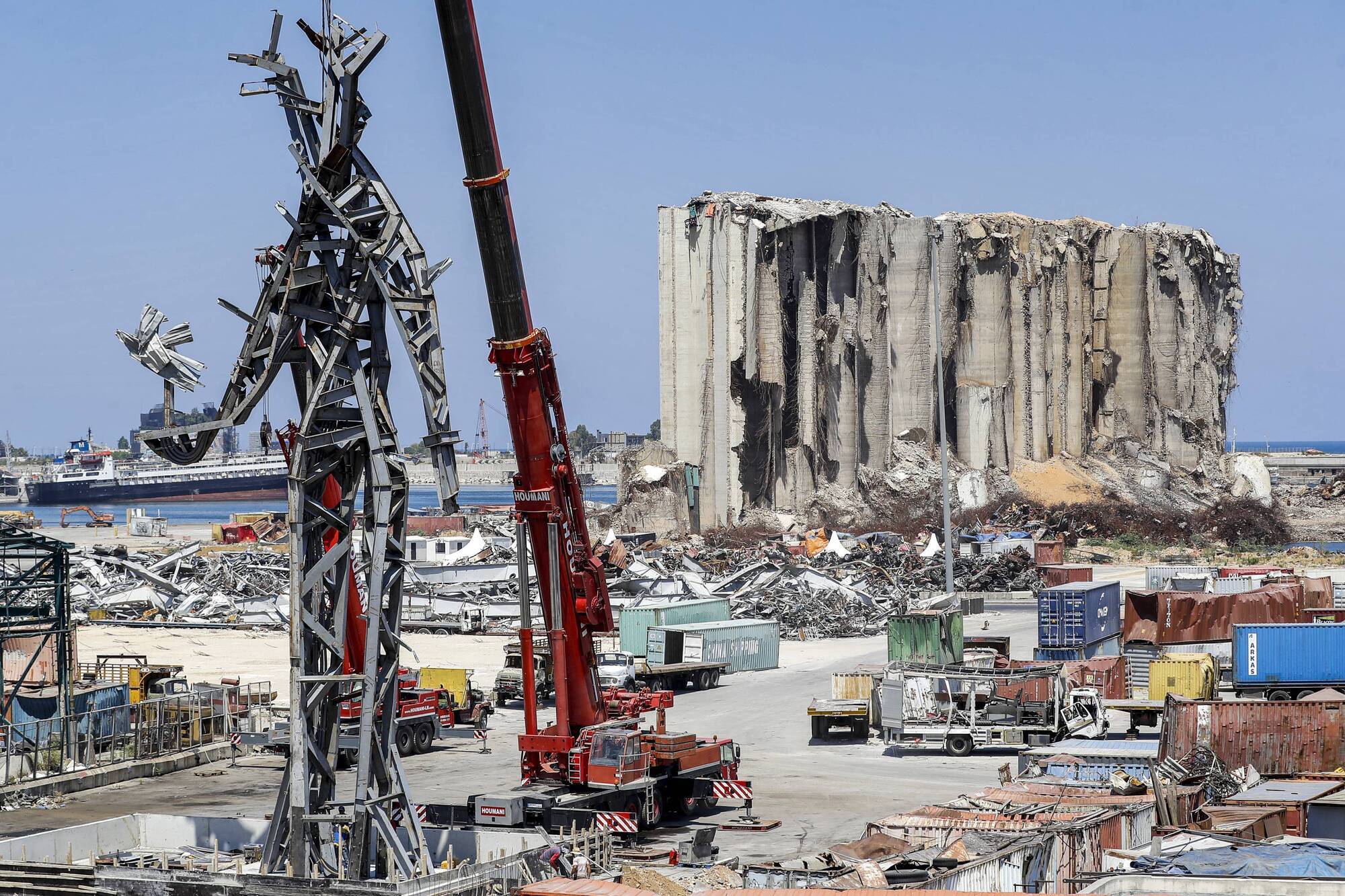
A 25m steel sculpture, 'The Gesture', created by Lebanese artist Nadim Karam from the debris of the blast at the port of Lebanon's capital Beirut on August 4, 2020. Picture: Joseph Eid/AFP via Getty

What came next obliterated that. A 6.08pm, Beirut exploded. A fire at the port caused the detonation of 2,750 tonnes of ammonium nitrate, which had been improperly stored in a port warehouse for six years.
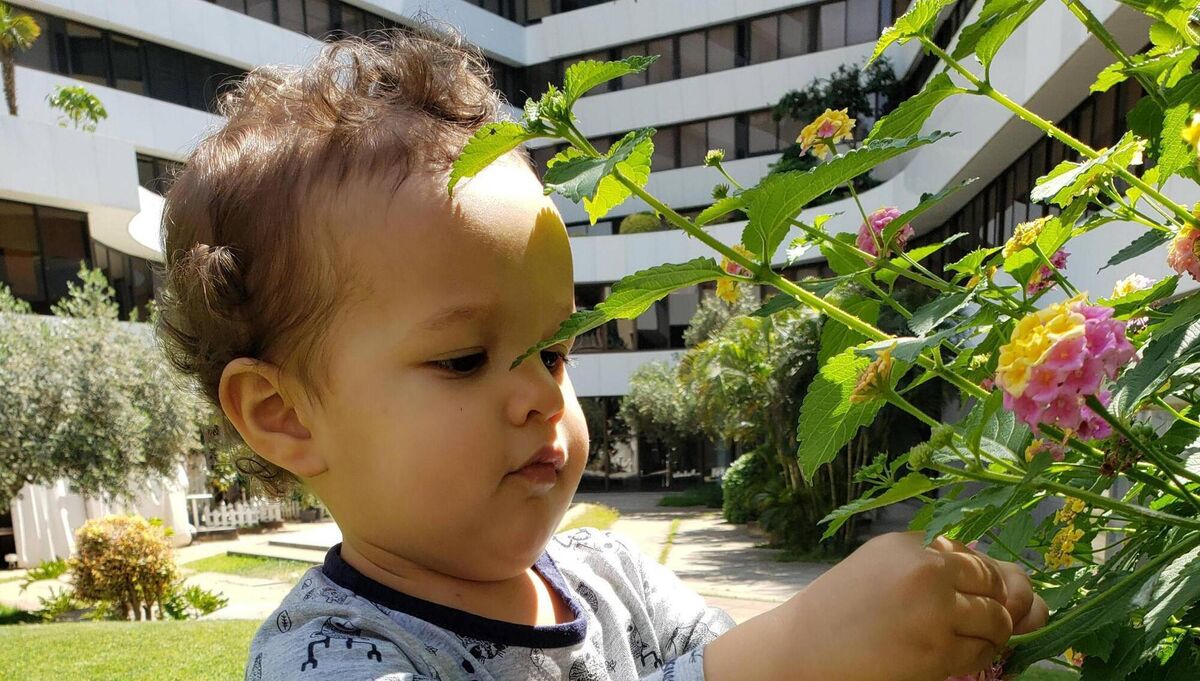
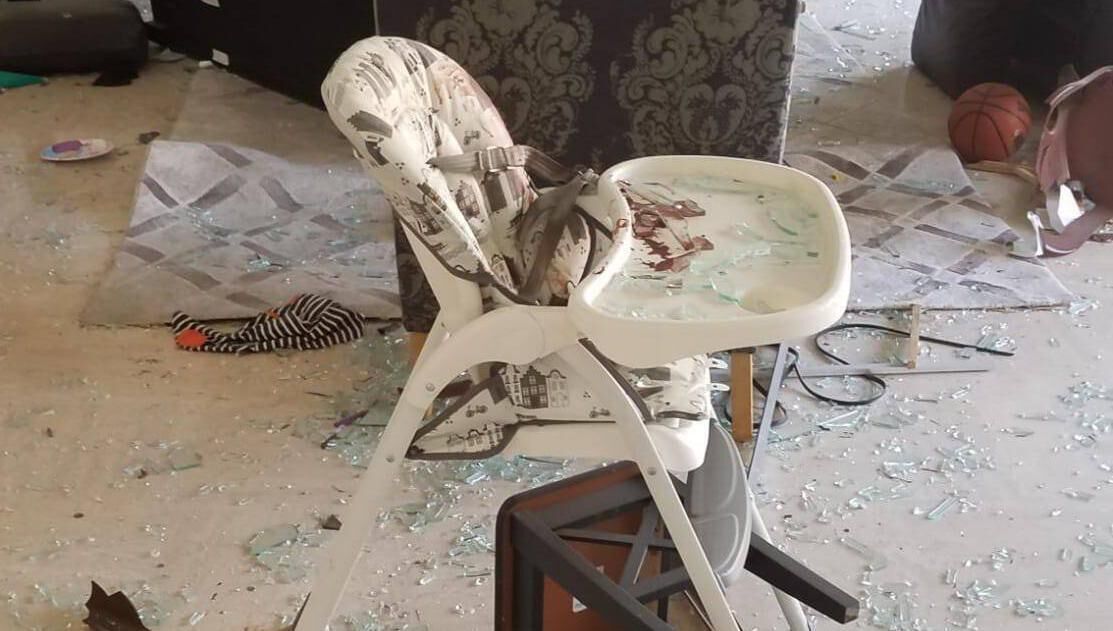
Isaac Oehlers was sitting in his highchair, eating his dinner in Achrafieh, about 750m from the port. His mother Sarah Copland remembers that he had been at garderie (nursery) that day, because he came home in different clothes from the ones he wore in. Not unusual for a two-year-old boy. Neither was being a little bit naughty.
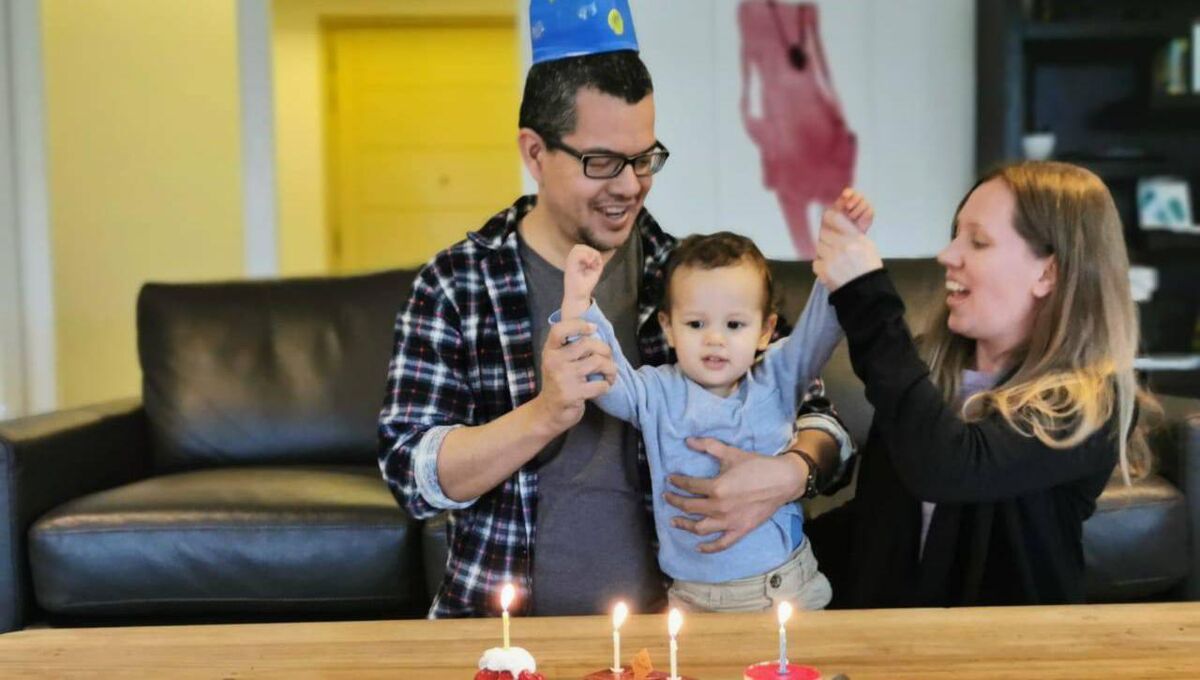
Still, one car stopped, taking Isaac and his parents.
It took Sarah and Craig 10 days to leave Lebanon and return to Australia, little Isaac accompanying them on the long, tortuous flight home.
At least 220 people were killed that evening, 7,000 were injured and 300,000 displaced. The blast was so powerful it was felt in Cyprus, 250km away.

CONNECT WITH US TODAY



Be the first to know the latest news and updates