Sustainability – not greenwashing – is ‘the only way to preserve’ Irish areas of paradise

Kris and Tatjana Acton run Clifden Eco Beach Camping and Caravan Park on the Aughrus peninsula overlooking Omey Island in Co Galway. Pictures: Ray Ryan
Kris Acton has travelled the world, living in the US, Central America, and Europe. But he says there is nowhere on earth like the wilds of Connemara.
“This quality of life is one of the best; I wouldn’t give it up,” he says.
“There’s actually no better place to be, particularly on a fine day, then the West Coast of Ireland.”
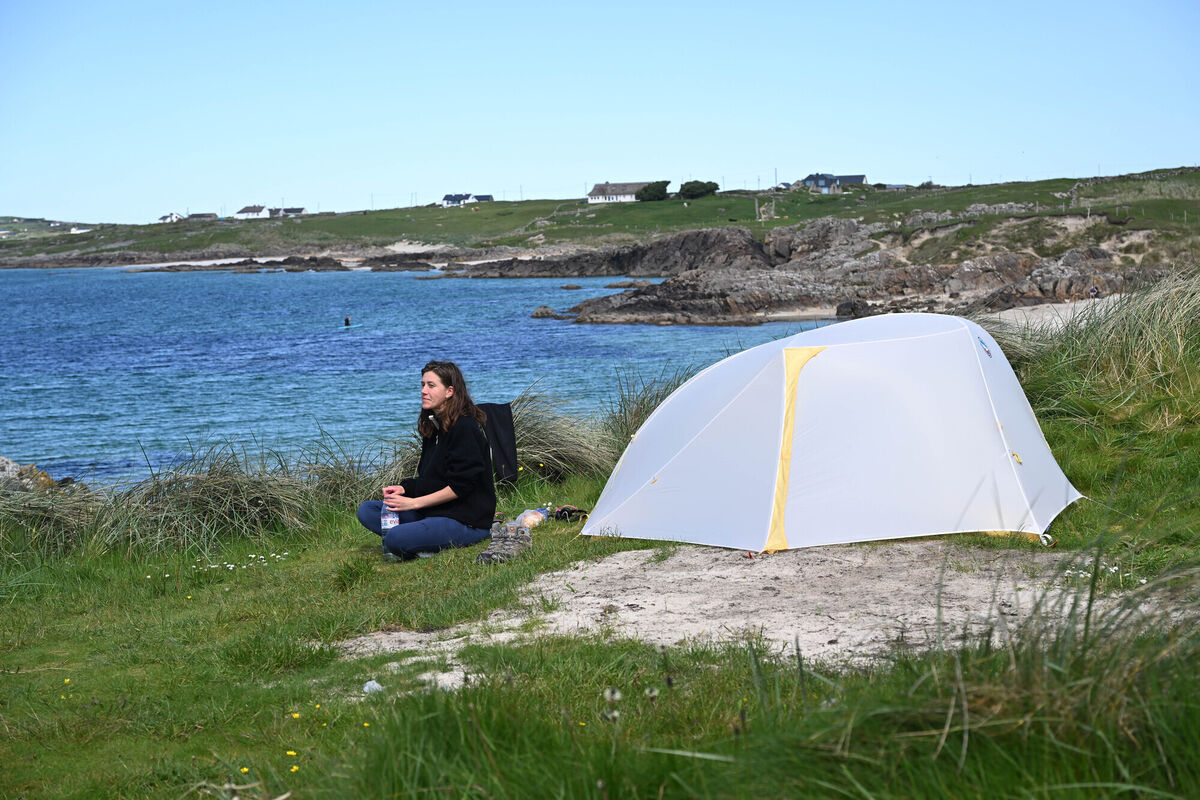
Kris and his wife Tatjana run Clifden Eco Beach Camping and Caravan Park on the Aughrus peninsula overlooking Omey Island in Co Galway: they have 54 tent, caravan and camping pitches on an idyllic beachfront in a protected habitat, whose shallow crystal-clear waters are a special area of conservation for bottle-nose dolphins.
Nowadays, the word “eco” is popping up everywhere, sometimes with little or no real meaning, but for more than 30 years, Kris and his family have been frontrunners in recognising the importance of taking genuine measures to protect the environment on which their livelihood depends.
CLIMATE & SUSTAINABILITY HUB
The Actons’ business has just re-attained its Sustainable Travel Ireland Gold Standard, which it was first awarded in 2014. But this is by no means the only certification or accolade Clifden Eco Beach Camping has received since it decided to invest heavily in ensuring its campsite is run in a genuinely sustainable manner back in the early 2010s.
It has received a Clean Coasts Business of the Year Award, numerous awards from travel magazines and websites, and is carbon-neutral certified by South Pole Global, which makes it “the first eco-certified carbon neutral business in the whole country, not just in our field,” Kris says proudly.
“Back in the day, I just knew I had to protect this environment for the next generation and the only way to do that was through sustainability,” he says.
“We got on board early, got educated, got on board with Ecotourism Ireland in 2012, paid for all our own training and certification. We got no funding from government to do this.”
Firsts are a frequent feature in conversation with Kris. Back in 1990, when the family business run by his father was still predominantly beef farming with a little seasonal camping as a supplement, the Actons were the first farm in Connemara to seek and attain organic certification.
After Kris’s father died in 2015 and the land was divided among his beneficiaries, Kris turned to the tourism business as his full-time income and says he will not return to farming.
But even before then, he had begun the process of truly greening his campsite offering. His was the first campsite in Ireland to ban the blue toilet fluid used in campervans, which contains the ecocidal formaldehyde.
“We introduced the green organic-based liquid, and we have influenced thousands of campervanners over the years to substitute the harmful chemical additives with the more environmentally friendly product,” Kris says.
Bans on plastic water bottles have become a common environmental stance in recent years, with even big festivals like Glastonbury taking the move, but when Kris decided to ban plastic bottles from his campsite outright in 2014, he believes he was the first business in Europe to do so. The camping park is served by its own aquifer with exceptional water quality, so Kris banned single-use water bottles and started selling reusable bottles, having sold over 4,000 of them since.
Awareness of ecotourism is on the rise: there’s a growing discomfort across the EU with knowing that your annual getaway is causing ecological and societal devastation.
In April of this year, tens of thousands of Canary Islanders turned out in a mass protest against what they say is the Spanish government’s policy of unrestricted tourism growth, with two new vast resorts planned for Tenerife. “Canarias tiene un límite” (The Canaries have a limit), their banners read.
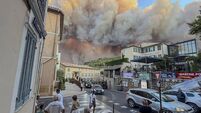
Lanzarote, one of the Canary Islands, is, of course, a firm favourite with Irish sun worshippers: after UK residents, the Irish made up the second-highest proportion of visitors.
But Lanzarote’s arid landscape cannot create enough water for tourist demands without major environmental impacts: a diesel-powered desalination plant outside Arrecife sucks in seawater and pumps out a concentrated brine back into the sea. Eighteen per cent of Lanzarote’s energy consumption and corresponding CO2 emissions goes to desalination, all for the ice cubes in your cut-price cocktails and cooling showers at any time of the day or night.
Also in April, Italian tourist officials, long beset by conservation problems relating to over-tourism, began charging tourists €5 per head to visit Venice, despite local protests that this was turning the ancient canalled city into a themepark. “Welcome to Veniceland,” residents’ posters read.
Kris believes that tide is turning and tourists from many different countries no longer want their leisure time to come at the expense of the planet.
While French, German and Dutch tourists make up the bulk of the EU nationalities who stay at Clifden Eco Beach Camping and Caravan Park, he says it is domestic staycationers, followed by eco-conscious Brits, who make up the bulk of his clients.
Even without the environmental costs weighing down the holiday spirits, when it comes to how enjoyable a holiday is, Kris questions whether battling the throngs for a beach towel space in an over-crowded resort and risking ever more common heatwaves on a traditional “sun holiday” is really even all that relaxing.
“It’s overcrowded, it’s too hot, there’s not much privacy and it’s not really a very nice holiday,” Kris says.
Campers at the Actons’ can even enjoy the pleasures of an outdoor fire, but only in designated braziers that the business provides.
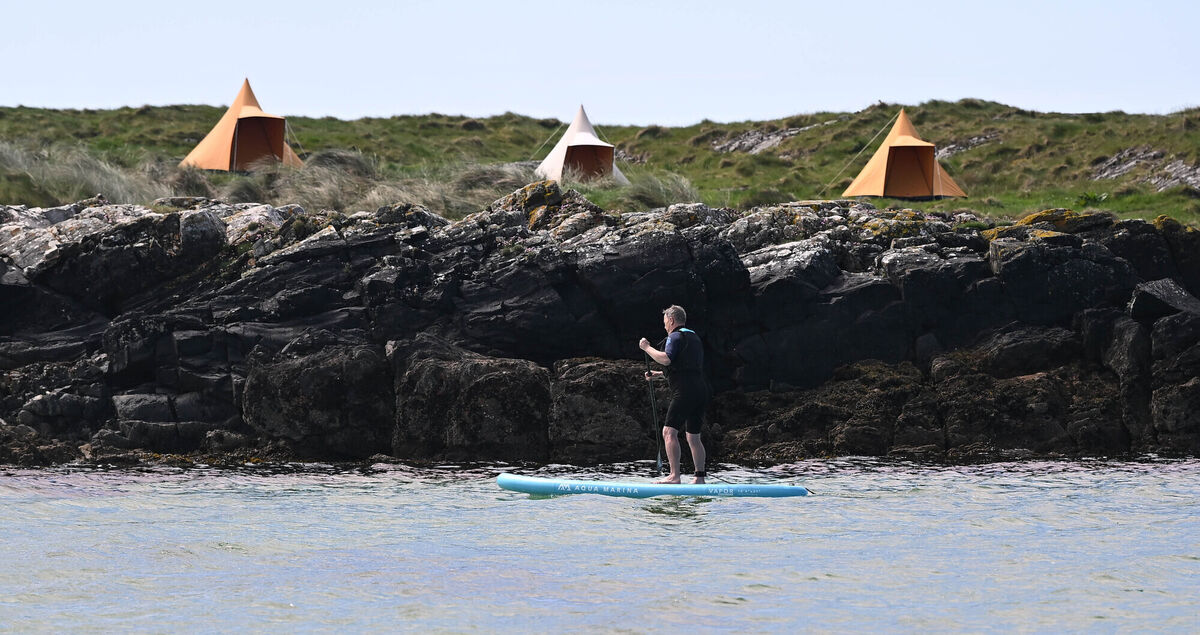
Many Irish tourism business are warning that 2024 marks a true return to the overseas holiday for Irish holiday-goers post-covid, with short term rental bookings low so far. But Kris says this is not true in the outdoors and ecotourism sector. After a record-breaking Easter, Clifden Eco Beach Camping and Caravan Park is already fully booked for family pitches for the summer.
“Irish people changed dramatically post-covid and they are starting to value outdoor tourism, as opposed to sitting on the lounger beside the pool in Spain. Funnily enough, it’s more affluent people who are going for nature, glamping and camping,” he says.
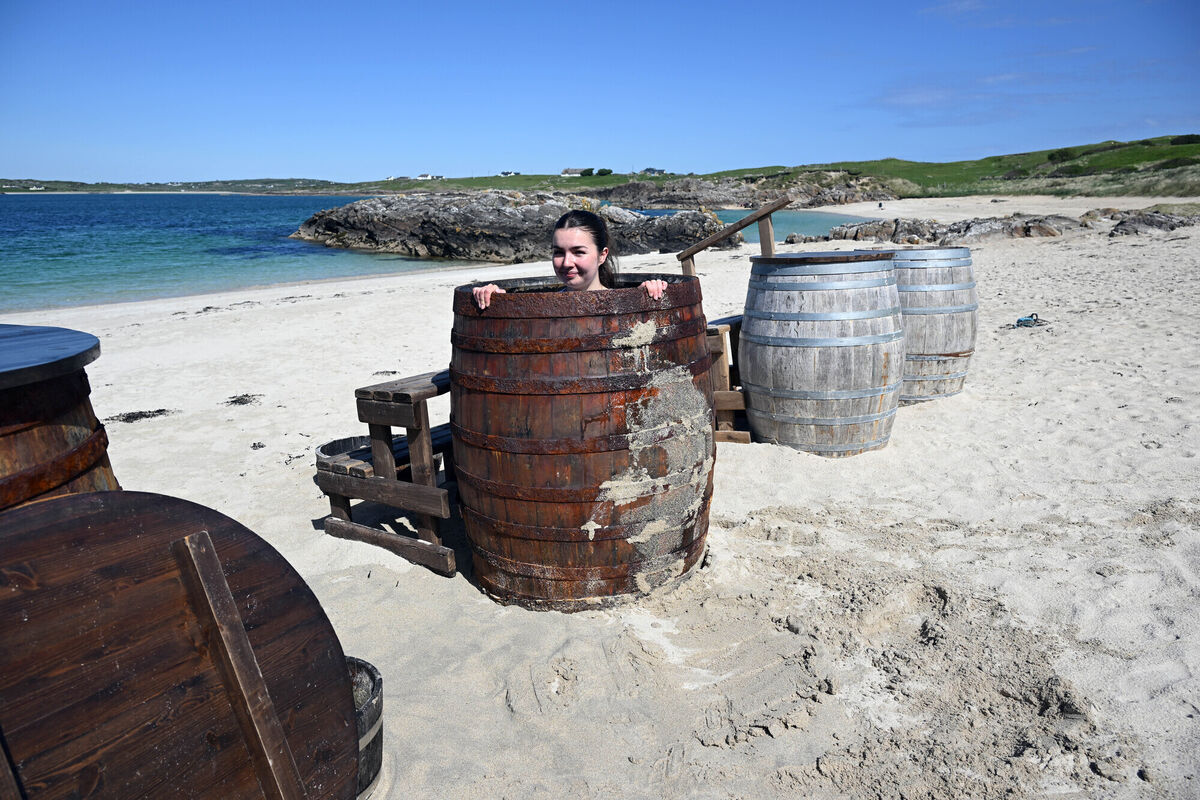
Of course, the unpredictable Irish weather is what holidaymakers are so often trying to avoid. But there’s a range of outdoors activities in the area for those whose idea of fun is not dependent on sunbathing weather, from self-guided bike and hike tours, to kayaking and shore angling to on-site hot seaweed tubs, which Kris says are very popular when the weather is poor.
The Actons’ camping park has 1km of its own beachfront for holidaymakers to enjoy. Set against the backdrop of the Twelve Bens mountains in Connemara National Park, it overlooks Omey Island, reached by foot at low tide.
This is a very protected landscape. There are seven Natura 2000 sites within 5km of the campsite, and it is a designated Machair Habitat Site.
Machair habitats are found in Scotland and on the West Coast of Ireland: Machair in Scots Gaelic or Maghera in Irish, the term refers to a beach and dune-fronted habitat backed by peat and wetlands.
They are a refuge for everything from protected wading birds like lapwings and dunlins to pollinating insect species. According to Birdwatch Ireland, of all the Irish Machair habitats surveyed, Co Galway’s were the only ones to note an increase in sightings of breeding waders over a 10-year period where there was an average 38% decline in their numbers.
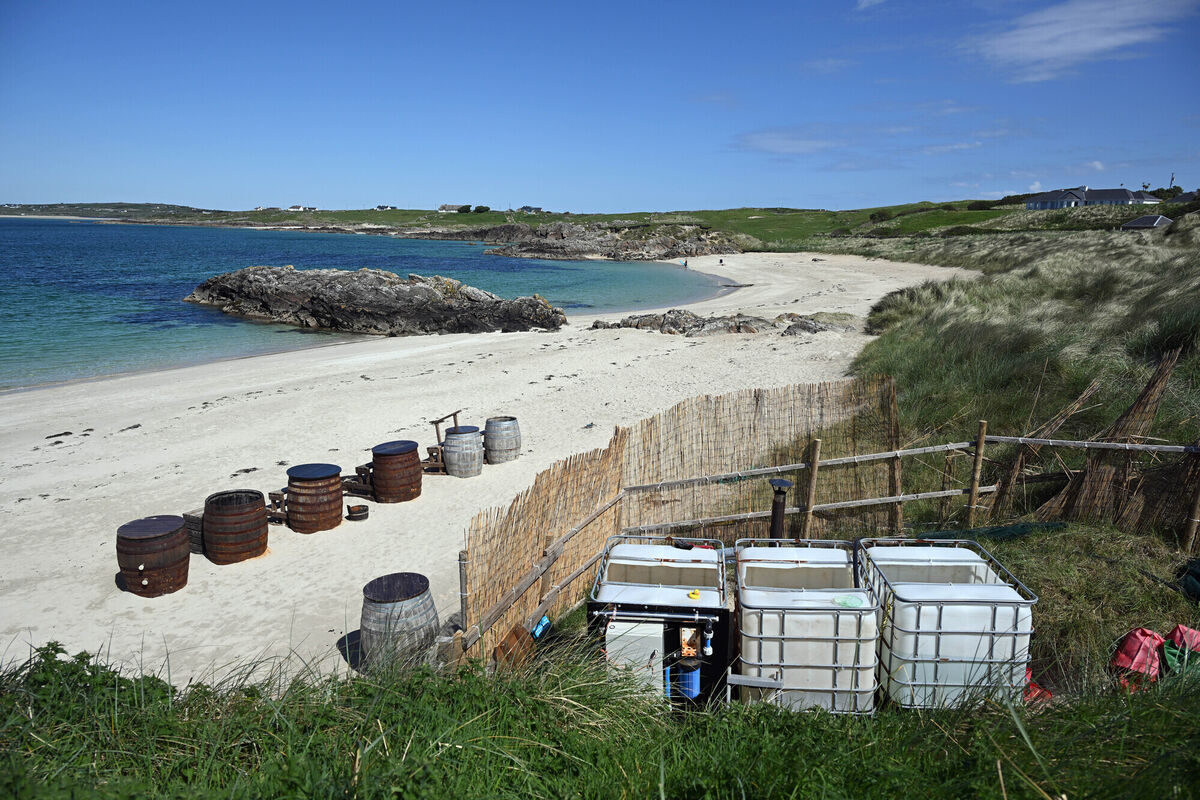
There’s no doubt the livelihood of this family business depends on the sea, but while this unique environment and its breath-taking scenery is the Actons’ bread and butter, Kris’s connection to the land is not purely a business proposition, but far deeper than that.
He has childhood memories of playing on the beach with the children of holidaying families, introducing them to the joys of shoreline exploration and beach fishing.
"I was born and raised here and I farmed this land with my father,” he says.
A next-generation “sustainable” is another word that is in heavy use these days as businesses try to ramp up their eco-credentials, but it’s frequently a poorly defined buzz-word. One way to assess whether or not something is truly sustainable is to look at it and ask: could I come back in 20 years or 50 years or 100 years, and would this way of life be still be able to work, with exactly the same inputs and outputs, as it is today?
For Kris, future-proofing is a large part of why he has invested so heavily in making sure his green credentials are exactly what they say on the tin.
“My kids have a deep fondness for the land too and will take over the business, which was why it was important to us to have a truly sustainable business, why we invested heavily in international accreditation,” he says.
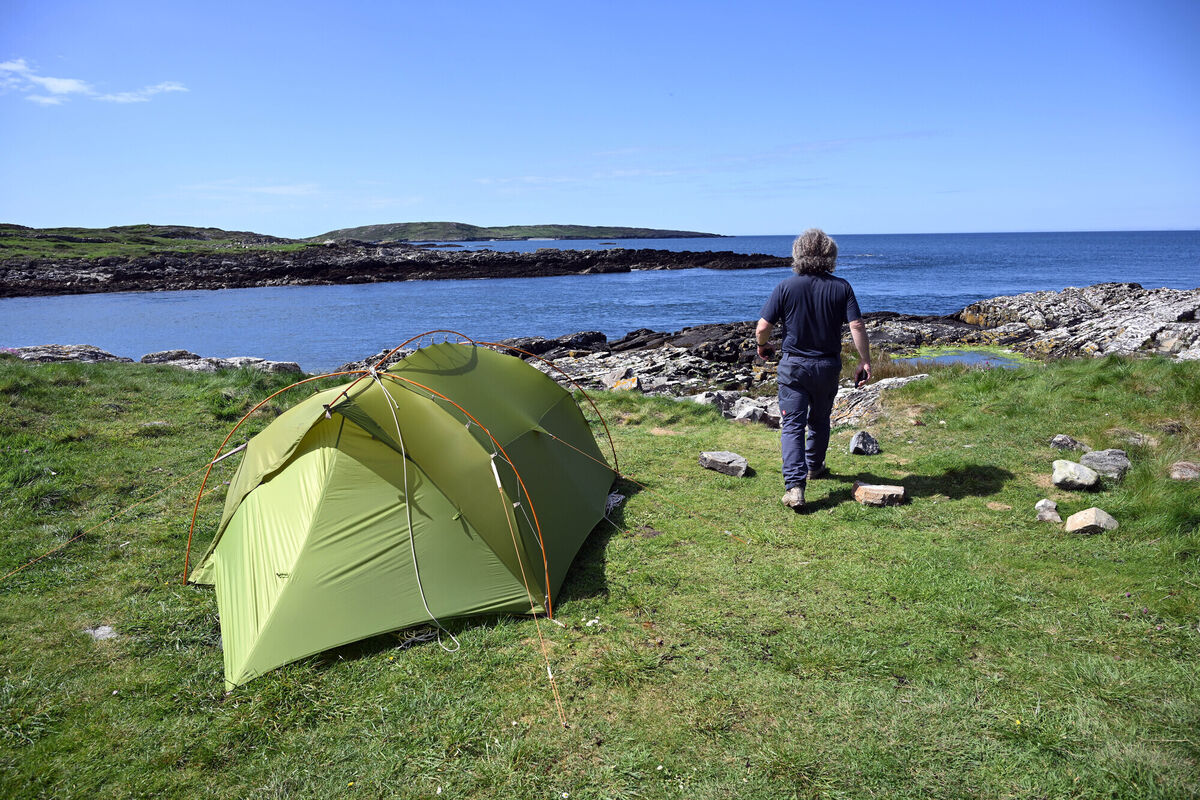
Kris and Tatjana’s two children, Lara and Steafan, are 21 and 18 and both are currently studying in Galway. Kris says, while they will probably want to spread their wings and travel, they have a keen interest in the family business, which he hopes will continue to provide them with the same high standard of life that he has enjoyed.
“Their heart is in it and they want to be a part of it, which is great because in a lot of rural areas the young people are leaving, and feel that there’s nothing here for them,” he says.
“The only way you can hold onto the young is to give them an incentive, so they see the quality of life out here on the coast and they appreciate the natural beauty. A lot are leaving, but I hope I can hold onto my two and they can take over the business. Of course, they have itchy feet at the moment, like all young people have.”
Clifden Eco Beach Camping and Caravan Park is now a Fáilte Ireland case study for other tourism businesses who recognise the growing trend in ecotourism, and there is a broader push on in Ireland to recognise the opportunities for tourism offerings like the Actons’.
But Kris isn’t resting on his laurels: the business will next seek an ISO 14001, an international standard in environmental management. Despite the expense and work involved in independent certification — Kris estimates his latest Sustainable Travel Gold Standard cost €4,500 to achieve — in an environment where there’s a serious risk of greenwashing, and where customers want to know that they are getting the real deal, he says it pays to go green.
“There is an abundance of greenwashing now,” he says.
“Everyone has a mission statement. Sure they might have solar panels, but if you look further into the business you might see they’re doing something very harmful elsewhere. That’s where the independent certification comes in.
“It’s a lot of hard work and receiving a gold standard takes a lot of time and money, but for us, it has paid dividends down through the years. We get acknowledged in a lot of international guides, which is free advertising at the end of the day. But the bottom line is that you have to protect the environment that pays your wages and sustains your way of living.”

CONNECT WITH US TODAY



Be the first to know the latest news and updates