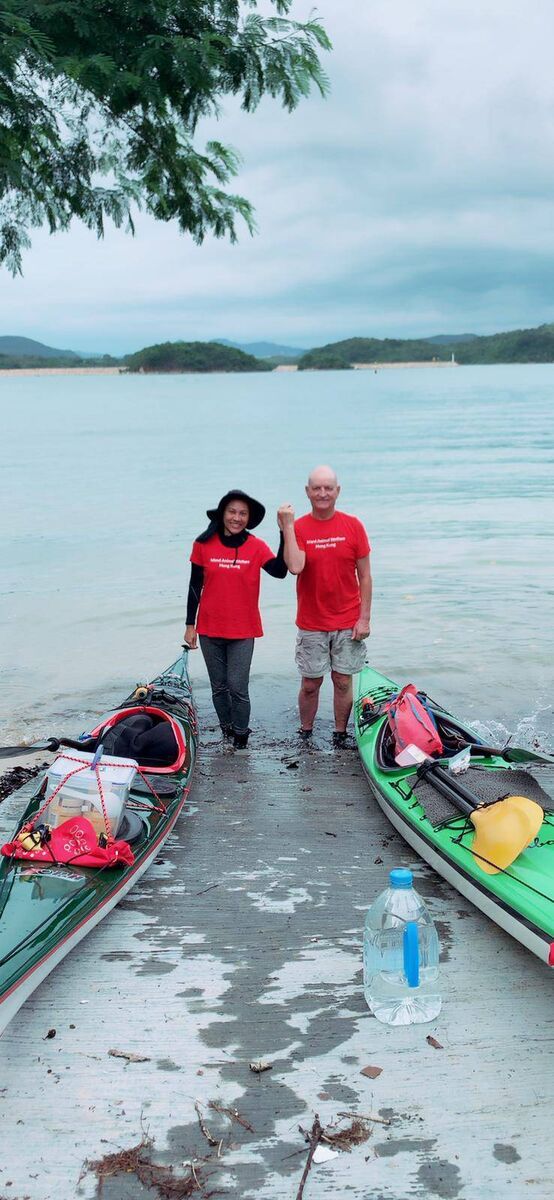
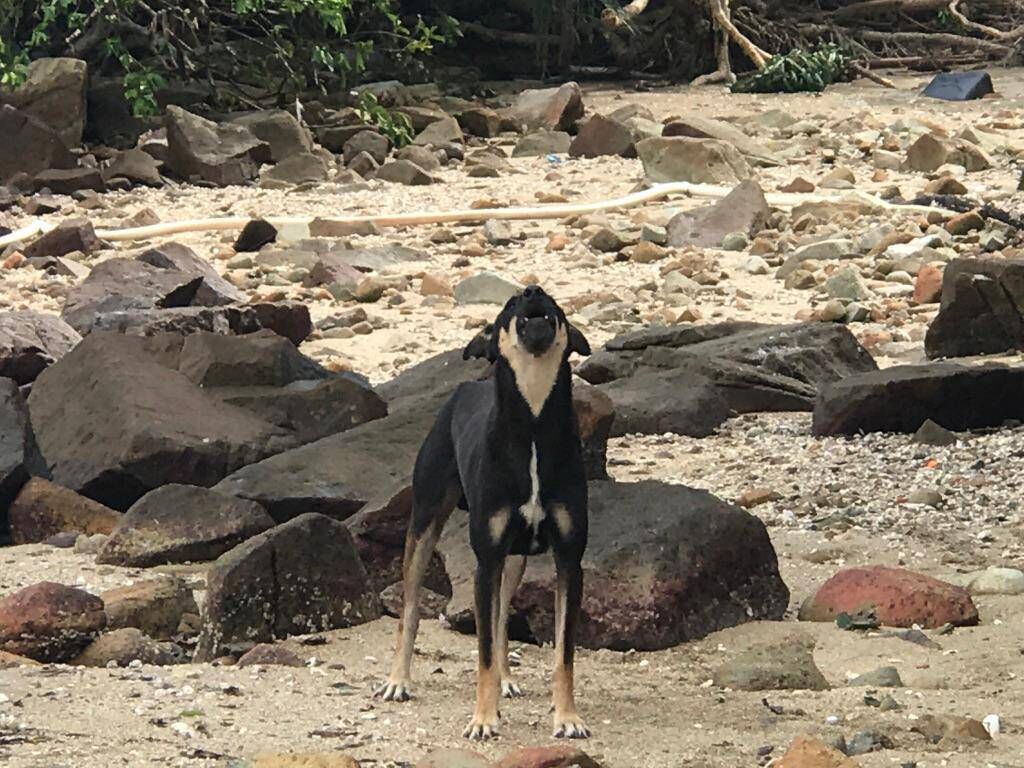
A West Cork man has completed a rescue mission with a difference, involving hundreds of unwanted dogs who were dumped and left to die on deserted islands off Hong Kong.
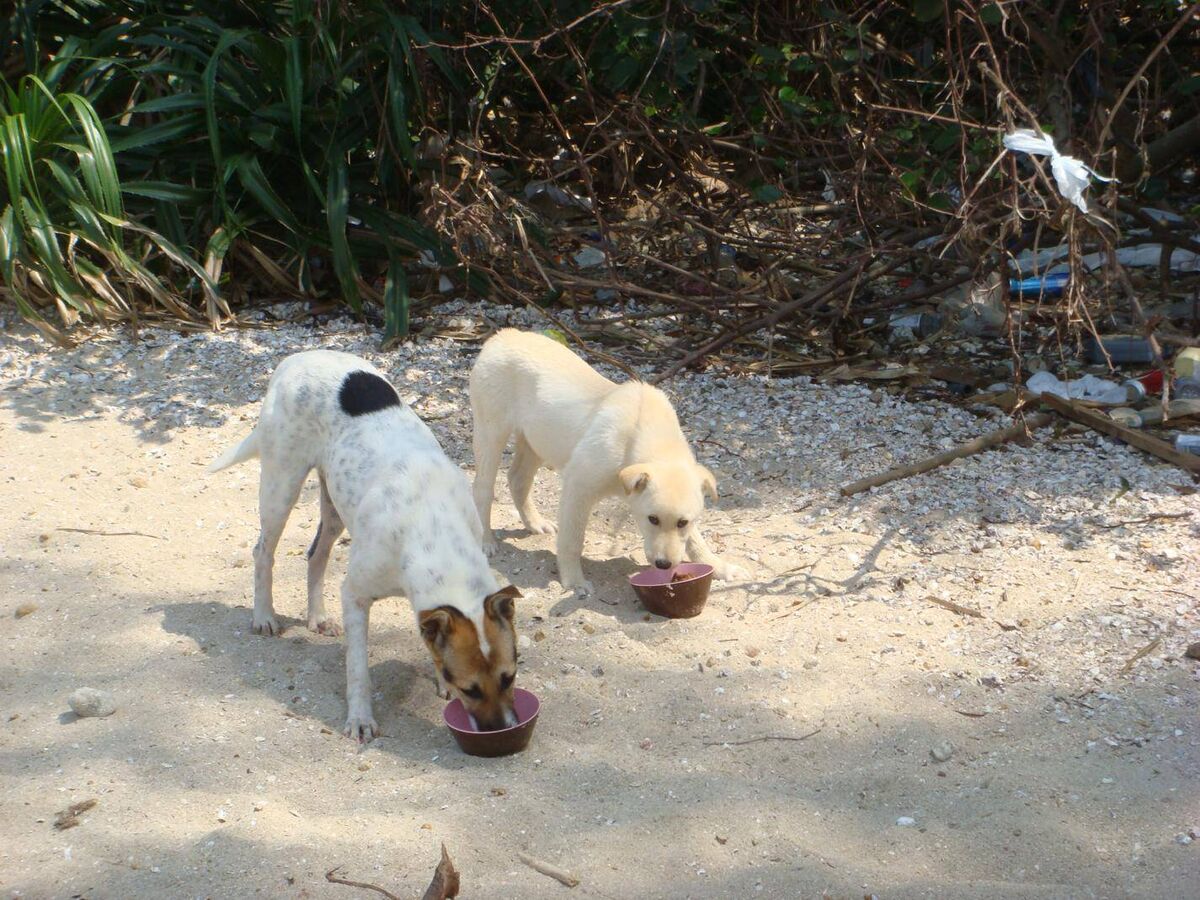
David Roche, from Durrus in West Cork, first stumbled on the canine-populated islands while kayaking off the coast of Sai Kung with his wife Mary Jean 20 years ago. He made it his purpose in life to rehome the abandoned pets while feeding and neutering the remaining feral packs.
Mr Roche lived with his wife Mary Jean in Hong Kong before relocating and dividing his time between the country and West Cork. The couple risked their lives on a regular basis in the hope of helping as many animals on the islands as possible.
David found himself in the emergency department on 10 occasions after coming under attack from island dogs. Nonetheless, Mr Roche insists it was all worthwhile.

A recent visit painted a very different picture of the isolated islands and floating villages off Sai Kung, which are now free of abandoned strays. It brought their 20-year voluntary work on the islands to a bittersweet conclusion. While a significant number of dogs were rehomed, the remainder were neutered to prevent the cycle from continuing for future generations.
The bizarre story of the islands of dogs captured hearts due to its striking parallels to the 2018 film Isle of Dogs. Directed by Wes Anderson, the film is set on the fictional Trash Island in Japan, where dogs have been banished due to an influenza outbreak.
Sadly, the reality is unimaginably darker and more bizarre.
âI have seen families go on picnics and leave the dog behind,â David told the Irish Examiner. âYou might wonder why anyone would do that. Itâs because they were mixing the islands with pleasure. Secondly, if they dumped the dog on the mainland there was a strong chance they might be caught on CCTV.Â
Abandoning a dog is a serious offence and not something they want to risk. Iâve seen this happen and photographed it and involved the police in many of these cases.
David, who is a regular contributor on the US business news television station CNBC, invested thousands of euro into making a better life for the island dogs. A number of the pets were even flown business class to Ireland, destined for a new life at David and Mary Jeanâs home in West Cork.
The mission all started with a single dog who piqued their curiosity during a kayaking trip.

âWe were teaching kayaking 20 years ago when we noticed a dog on an island,â David said. âWe went over and discovered it was a dog that had been dumped. After that, Mary Jean and I became much more aware and began seeing more dogs and packs in very poor conditions. That was when we decided to fill the kayaks with food and water.Â
From then on, instead of kayaking being the objective of having fun, it became a means to help the animals on these islands.
He opened up about the challenges they faced along the way
âThe dogs on the islands used to breed up to 200 puppies a year and, of course, most of them would die in atrocious circumstances,â he said.Â
âWe had to get them at a young age so they could be domesticated and homed.Â
"There had been three types of dogs on the islands. These included the feral dogs that were on the islands anyway.Â
"You had zebra dogs, which are striped like zebras. This is an original, very ancient race of dog on the island which probably dates back 11,000 years or more.Â
"And Tugou dogs, that were likely on the islands because they once guarded the animals on farms before agriculture stopped in Hong Kong, and they became wild packs."
"Then you had all the abandoned dogs dumped on the island by pet owners living on the mainland."
It wasnât long before the couple had a team of volunteers behind them.
âAbout 14 years ago, we started to neuter the dogs by trapping them and bringing them to a friendly vet. You had to do it very quickly because if you took a dog away and kept it for a week or 10 days, the likelihood is that other island dogs would view it as an intruder after smelling the drugs and medicine on it - indicating human contact -Â and kill them. You had to turn around the dog in 24 or 30 hours before putting them back on the island. Otherwise, they would not be accepted back into the pack and would be at risk.â

David described how the island dogsâ healthcare needs differed from animals on the mainland.
âThe island dogs never get cancer, which is extraordinary. Of course, they die of other things. They might have failed kidneys, get bitten by a snake or be savaged by other dogs. However, we have never had a case of cancer in an island dog. Itâs very common on the mainland. Whether this is down to the food or what the farmers put in the land. Thatâs to be left open for future generations to decide.â
David and his wife faced other challenges during their perilous journeys to the islands.
Lightning strikes
âLightning strikes were the major danger,â he explained. âDuring harsh storms, they would be all around you in the water. The only way you could escape them was to get out of the water and into the jungle so the trees could catch the lighting before you did.â
He said that animal cruelty in Hong Kong is not as prevalent as it was 20 years ago.
âIt doesnât happen like it did before because there are more animal rescues and help that wasnât there before. The economic logic of hiring a boat or taking or ferry out is less compelling today. Itâs not profitable to do it that way. Itâs much easier to leave the pet with an animal rescue.Â
Also, there are a lot of young couples who arenât having children anymore because itâs too disruptive and expensive. In some cases, they will get a pet so the awareness of animals has grown a lot and improved human behaviour to some degree.
The animal lover emphasised that animal cruelty is universal.
âThis is not about the Chinese as much as itâs about people. We are talking about the killing of greyhounds in Ireland because they canât run as fast as they used to and people dumping dogs on the side of the road. Animal cruelty exists in Ireland and China just like it does anywhere else you go in the world.â
Read More
CONNECT WITH US TODAY
Be the first to know the latest news and updates