Courts martial 'designed to make problems go away' and avoid scandal
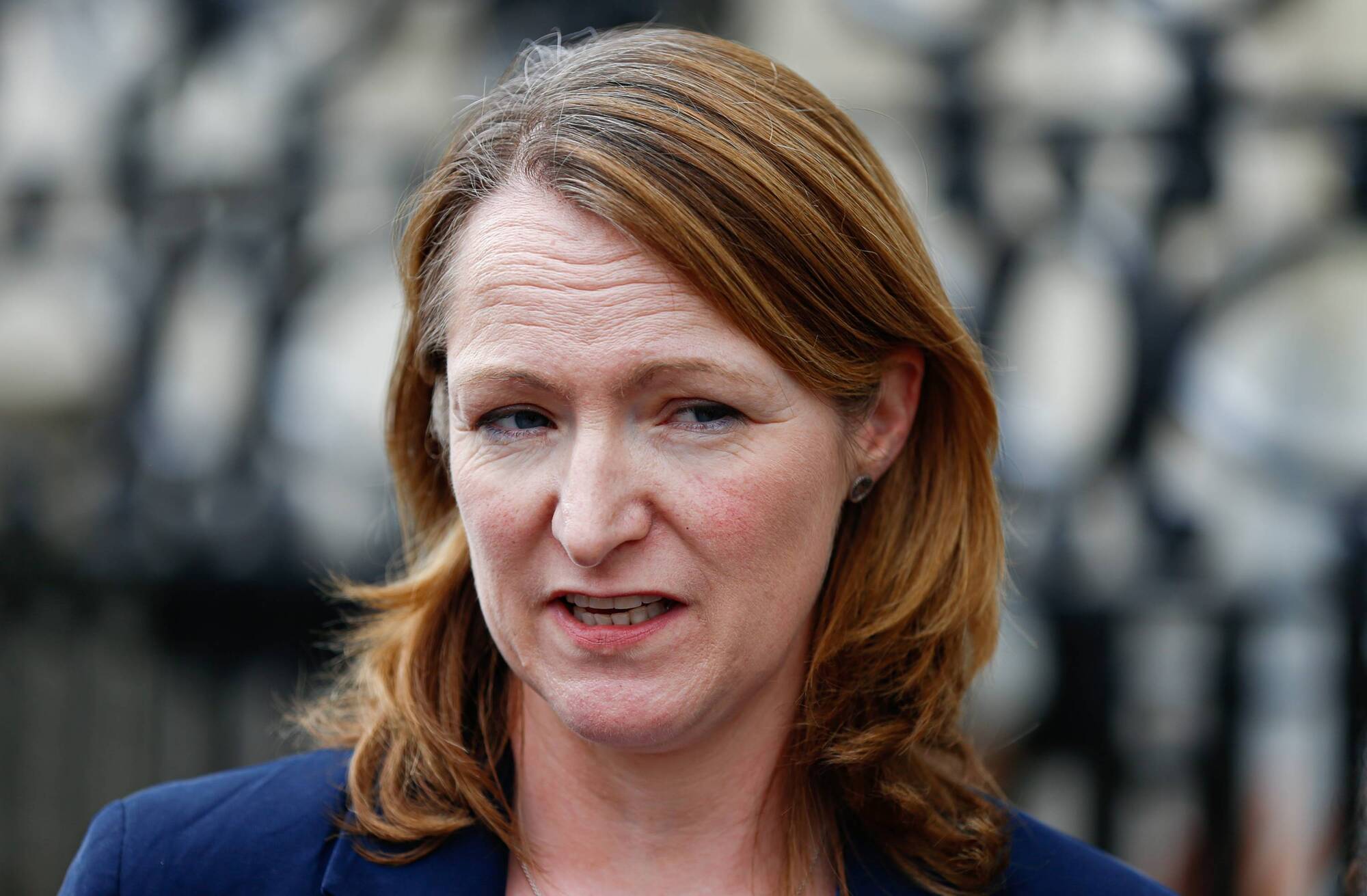
Retired army Captain Diane Byrne says the courts martial are "a boys' club and you have to be one of the boys". Photo: Damien Storan/PA
When Diane Byrne was assaulted on duty she had a choice. The captain in the Air Corps was cleaning up the mess hall following a social event when a male colleague pinned her to a wall.
“We were on duty. There was no alcohol or anything like that involved,” she says. “I managed to get away from him, but what was I to do afterwards?” Her choices were to pursue the matter, which would quite possibly culminate in her colleague’s court martial. Or she could just do nothing, because pursuing the matter would be more trouble than it was worth.
“I didn’t want to destroy his career,” she says. “But he needed a slap on the wrist. He needed to be pulled up on it. But the only thing I could do was to go to my CO (commanding officer), lodge a complaint and watch it routed through a circus.”
The circus she references is the court martial system, the internal justice mechanism availed within the Defence Forces. Byrne and her colleagues in the Women of Honour group of serving and former female Defence Forces personnel have no confidence in court martials.
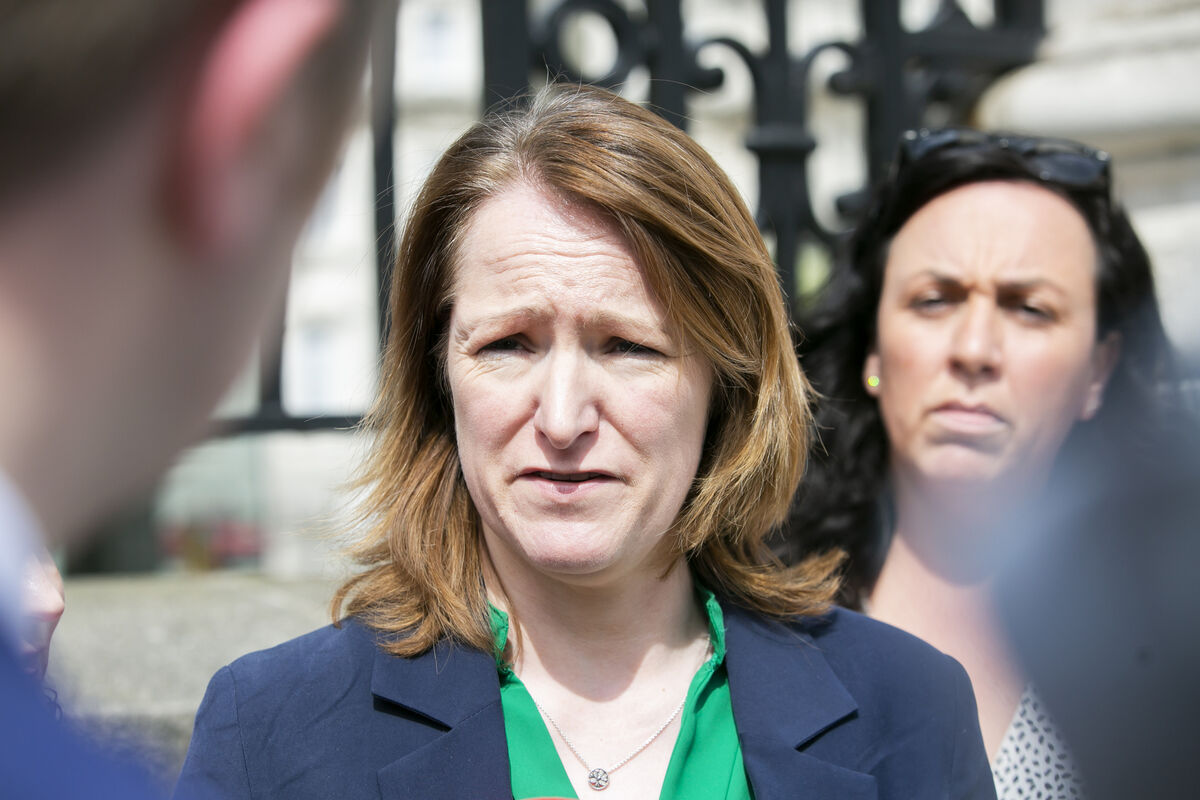
Others believe the system is not just robust, but necessary. But for many who have been through it, the system bears only a very distant relationship with anything approaching justice.
“If I had gone through it everybody’s life would have been destroyed and my career would have been over,” Byrne says.
"This was something that was fairly minor but his cards should have been marked. If that was done, and if he later was accused of anything it would have been on his record.
Diane Byrne’s experience is not an outlier. The has spoken to a number of Defence Forces personnel, both male and female, who do not have faith in the system that is supposed to dispense justice. One source in the forces compares the system of court martials to that of canon law as deployed by the Catholic Church, a system of rules that ostensibly exercises judgement but in reality is more concerned with shutting down awkward inquiry.
Courts martial are an integral part of military law. The system of dispensing justice is, in theory at least, necessary and fortified by safeguards. The defendant is tried before a military judge in the least serious offenses, and various boards in the more serious. (See panel below)
Unlike the civilian courts, the “board” does not consist of a jury of the defendant’s peers, unless the defendant is a commissioned officer. Some see this as the operation of a club mentality, a system designed for officers rather than military personnel as a whole.
“It’s self-investigating, self-ruling and under self-control,” Diane Byrne says. “It’s a boys' club and you have to be one of the boys, although girls can be one of the boys but you have to be one of the chosen, accepted few.”
The Defence Forces are disciplined organisations so the standard of conduct required is higher than would be expected in the workplace in civilian life. What might be considered small issues can easily lead to a court martial.
One serving member tells of an incident in which a colleague of his was cleaning up the mess — which was in a mess — the morning after a function the night before. This recruit was going around drinking the slops from other glasses. He was spotted and it was decided he needed to be pulled up. He was then subjected to a summary court martial within his unit.
“It was done as a kind of wake-up call,” this recruit says. “We didn’t have a bible so somebody got a dictionary and put a brown paper cover on it and he put his hand on it and swore to tell the truth knowing no better. He was summarily found guilty and given a fine.
"That kind of thing is done to act as a wake-up call, which isn’t necessarily what it was designed for. Other times the system could be used for targeting people who speak up about problems.
Diane Byrne says the court martial system is far more interested in keeping a lid on things rather than dispensing justice without fear or favour.
“I know of a case where sexual assault was downplayed to unauthorised access to a person’s room before it came before the court martial. What happens when a person is charged is they’re asked do you accept the charges. The person can accept and go to court martial if they want to.
This scenario was echoed by a serving male member within the forces. He was witness to a case in which a male entered the sleeping quarters of a male colleague in the early hours of the morning and sexually assaulted him.
The event was witnessed by others, yet the charges were downgraded to unauthorised entry. The offender got off with a slap on the wrist. The main reason for downplaying the offence in this kind of scenario, according to various serving and former sources, is to avoid any kind of scandal.
The downgrading of charges is a process in itself. The case above was dealt with through what is known as a Section 168, a route well travelled in the court martial system.
This is a particular section in the Military Act 1954 which states that any person subject to military law “who commits any act, conduct, disorder or neglect to the prejudice of good order and discipline is guilty of an offence against military law and shall, on conviction by court-martial, be liable, if an officer, to suffer dismissal from the Defence Forces or any less punishment awardable by a court-martial and, if a man, to suffer imprisonment or any less punishment awardable by a court martial.”
In 1954, there was no express provision for women in the military. Thus Section 168 is a catch-all, which can be used to cover any range of offences. It keeps everything tight and ensures there is a huge level of discretion left to the military judge to decide on sanction.
While the system is highly criticised by some, others who have served in the military believe it is both necessary and appropriate.
Cathal Berry is an independent TD for Kildare South, but previously served for 23 years in the Defence Forces as an infantry officer and subsequently in a medical capacity. He does not accept that a huge emphasis is placed on keeping a lid on public criticism or that potential crimes are downplayed in the system.
“It’s not unusual in civilian law to have bargaining,” he says. “Equally, coverage of the Defence Forces in the last few years would suggest that those in charge don’t care about public reaction to bad publicity. They are far more mindful that justice is done and the evidence of the last two or three years would support that.”
He also disputes the idea of a boys’ club centred on the officer class.
“I’d actually say that officers are held to a higher standard,” he says. “There is expectation that those in charge are expected to perform to a higher standard. If a commissioned officer is before a court martial that is a really big deal. They are held to a higher standard and I’d say rightly so.”
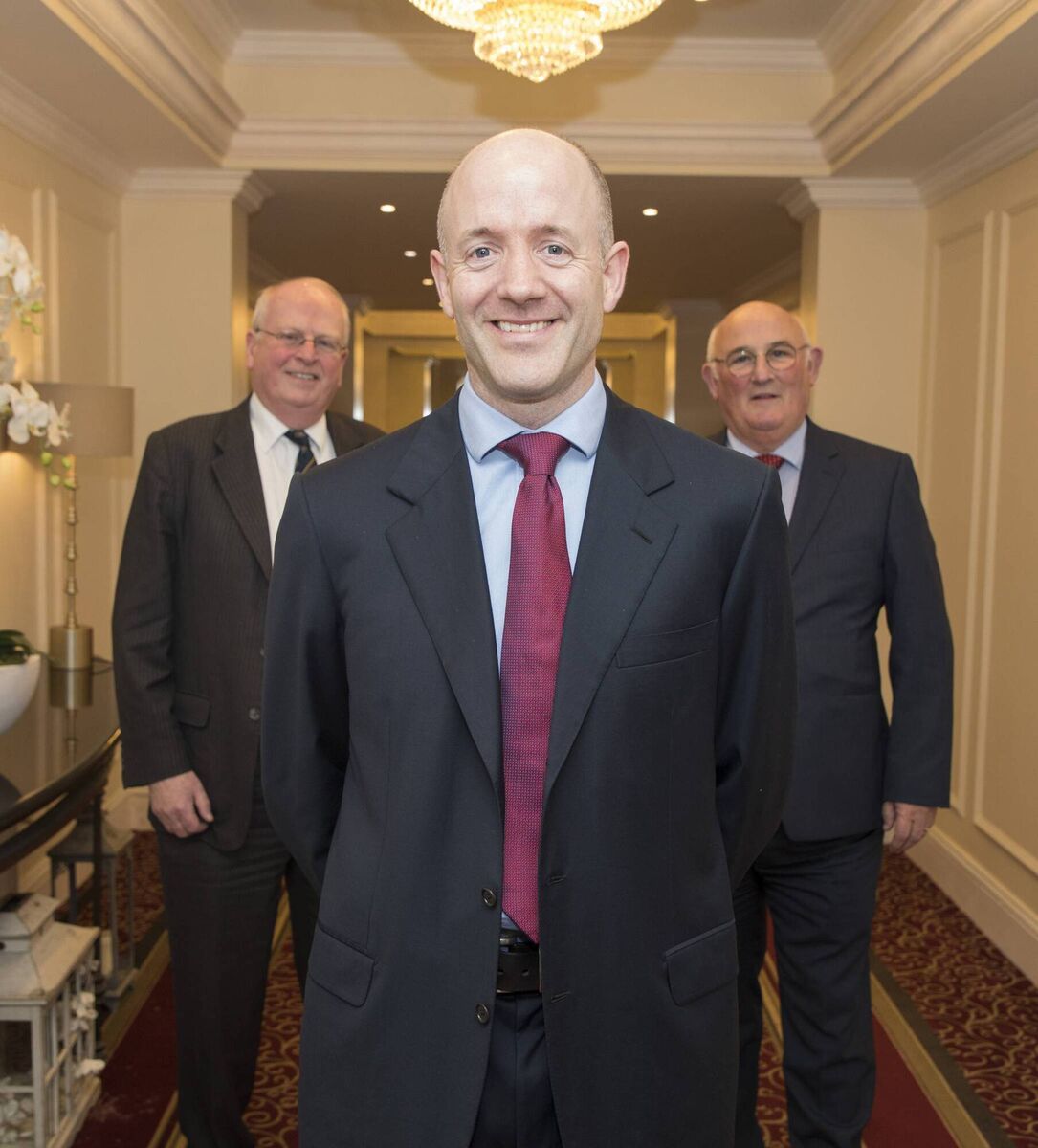
Declan Power, a security analyst who has also served in the Defence Forces believes that the system of court martials is required.
“I think it’s entirely legitimate,” he says. “It has been upgraded with a new judge advocate who has a legal career. The military is not the same as any other walk of life so you are subject to different laws. You surrender your rights as a citizen when you enlist so you need a system to administer justice in an appropriate manner.”
There does, however, continue to be a lack of confidence in the system from some quarters. This was reflected in the Independent Review published last March. It reported that incidents, from the most minor right up to offences like rape and serious assault are covered up.
“The complainant comes under pressure not to complain and is advised by an ‘independent solicitor’ not to go to the gardaí or not to make a formal complaint as it will impact on their career.”
Those who persist usually end up with the complaint being heard through a court marital. In that forum the perpetrators are “pressured to withdraw from the court martial by pleading guilty to a lesser charge, being advised that they are going to be found guilty in any event.”
One outcome from the review is the enactment of a new law to ensure that the gardaí will have sole jurisdiction within the state to investigate alleged sexual offences committed by those subject to military law. That piece of legislation is currently going through the Oireachtas, but one lacuna in the new law concerns what happens when an incident arises when military personnel are serving overseas.
“This is a significant issue because obviously people are much more vulnerable (overseas) and lots of sexual assaults happen on tour,” Diane Byrne says. “We need to understand what laws are going to apply but right now they seem to be rushing this through without proper debate. There have been significant issues where people have been let down overseas.”
Read More
The independent report did not recommend any change to the system as applied overseas.
Whether the forthcoming bill can go towards restoring faith among the Defence Forces in its own justice system remains to be seen. But it is difficult to envisage that the power of court martials will be diluted in anything but the most serious cases of criminality.
There are three effective grades of court martial, summary, limited and general. In some ways the system mirrors the civilian courts in that different formats are deployed depending on the seriousness of charges.
The is for less serious offences. The director of Military Prosecutions decides on what offences can be dealt with here and matter is decided by a military judge sitting alone. All personnel, up to and including the commissioned rank of Commandant, can be tried in this court.
“The military judge decides on all issues of law and fact arising before the Summary Court Martial,” according to the Defence Forces website. “The maximum sentence of imprisonment, which may be awarded by the Summary Court Martial, is six months.” In civilian terms, this forum would relate closest to the district court.
The (LCM) moves things up a notch. This consists of a miliary judge and board of at least three members of the forces. Two of these at least must be commissioned officers, while the third can be non-commissioned. There is nothing to preclude all three being of commissioned officers.
The board effectively performs the equivalent function of a jury in civilian courts. A limited court martial can only hear cases where the accused holds non-commissioned rank.
“The military judge decides on all issues of law arising, and the court martial board decides all issues of fact. Findings of fact will require a two-thirds majority. The military judge decides the sentence, if any, to be imposed. The maximum sentence, which may be awarded by a LCM, is two years.”
Serious offences are dealt with by a (GCM). This has the requisite military judge and a board consisting of at least five members of the Defence Forces. One of these may be a non-commissioned officer, but if the accused is a commissioned officer then all members of the board must be also.
As with the LCM, the GCM operates on the basis that the board decides the fact, while the judge deals with the law. Findings of fact require a two-thirds majority in this court martial, although two thirds of five personnel is a tricky one to calculate.
“The military judge decides the sentence, if any, to be imposed,” the Defence Forces website states. “A GCM may award sentences of imprisonment up to and including imprisonment for life.”
All of the court martials can be held inside or outside the state, which allows for a situation when Defence Force personnel are serving abroad.
The Independent Review Group report into the Defence Forces, published last July, recommended that legislation should be enacted to ensure that military law no longer has jurisdisction over some of the more serious criminal offences, including rape and aggravated sexual assault “in order to ensure that such offences are not dealt with under military law or in the court martial system.”
CONNECT WITH US TODAY



Be the first to know the latest news and updates