New scheme aimed at housing people with mental illness beginning to show results
A requirement to allocate 15% of housing for people with disabilities, including mental health conditions, is working
New scheme aimed at housing people with mental illness beginning to show results

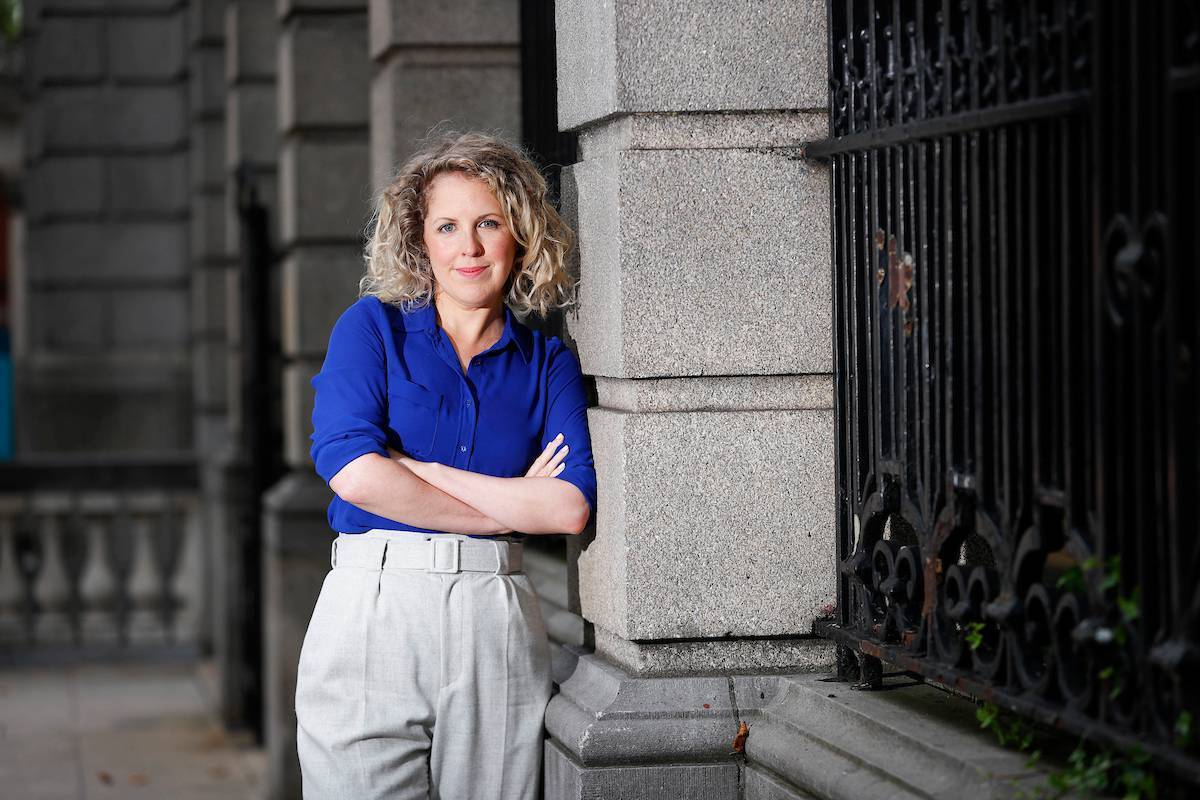
Mental Health Reform CEO Fiona Coyle welcomed the “positive trend” in recognising people’s needs. Picture: Conor McCabe Photography

More council housing for people with mental health conditions is an encouraging trend, but many within this group still face homelessness, Mental Health Reform said.

The advocacy group was responding to new figures provided by Munster local authorities to the Irish Examiner indicating how well a requirement to allocate 15% of housing for people with disabilities including mental health conditions is working.

Since April 2021, would-be council tenants can fill out an extra form sharing medical or disability needs. The HMD Form 1 must have input from two healthcare workers who can include a mental health nurse if appropriate.

Across Cork, the County and City Joint Housing and Disability Steering Group coordinates those involved.

“Cork County Council will endeavour to provide 20% of total allocations to people with disabilities subject to funding and approval from the (Department of Housing, Local Government and Heritage),” a spokesman said.

Last year, the council provided 111 homes for people with disabilities including 27 for mental health. 

This year, 69 homes have been given on disability grounds including 18 for mental health.

Cork City Council last year allocated 75 homes to people with disabilities, including 11 for mental health. Up to March this year, 31 homes were allocated for disabilities including three for mental health.

In Waterford, out of 621 homes allocated last year, 120 or 19% were linked to disabilities. Within that, 39 were for people with a mental health condition. This year’s figures are not yet available, Waterford City & County Council said.

Limerick City and County Council provided 59 homes last year to people with disabilities, including ten for “disability requirement — mental health”. So far this year, 40 units were linked to disabilities including eight for mental health.

Assessment may include a face-to-face meeting and house visit. Applicants with mental health needs are referred to the dedicated Welfare Unit of Housing Support Services, a spokesman said.

Disability priority category

In Tipperary last year, 24% of housing was given to the disability priority category. This came to 113 homes ranging from one-bedroom to four-bedroom; 15 were linked to mental health with 11 accepted.

Up to June 12, some 81 homes were allocated for disabilities; 31% of the total. This included 19 homes for mental health conditions, with 17 accepted.

Housing Section administration officer Helen Butler said they aim to “make sure the house goes to the right person”.

Local schemes including North Tipperary Intensive Tenancy Sustainment Service support tenants who may not be used to living independently.

“The purpose of it is to support people who are linked in with the mental health services, who maybe at risk of losing their tenancy or may need a tenancy or maybe (they are) at risk of going into a long-term care,” she said.

“It’s been hugely successful.” There is no average waiting time, with allocations based on need.

Housing is approved for a variety of reasons, including anxiety and depression being treated by local services.

In Clare last year 94 homes, 21% of the total, went to people with disabilities including 18 for mental health.

Up to the end of March, some 12 homes were allocated for medical or disability reasons, including three for mental health.

“Housing is offered via the standard allocations scheme but with consultation with support workers and when allocations are made tenancy support services are put in place where required and accepted,” a spokesman said.

Mental Health Reform CEO Fiona Coyle welcomed the “positive trend” in recognising people’s needs.

“Last year, mental health was the 6th highest need for social housing, highest of all disability areas,” she said. 

1,621 households needed social housing support due to a mental health difficulty, an increase from the previous year.

She said people in this category may also have needs linked to physical disabilities.

“According to the Housing Strategy for Disabled People 2022-2027, in 2022 at least 15% of all dwellings allocated by a local authority must be allocated to disabled people. It is encouraging to see that each of the local authorities have met this target,” Ms Coyle said.

“While this indicates a positive trend, there are still high numbers of people with mental health difficulties experiencing homelessness. Many of these individuals face significant barriers to accessing housing including poverty, discrimination and addiction issues.” 

Housing Strategy for Disabled People

The Government’s implementation plan for the Housing Strategy for Disabled People 2022-2027 was published on Thursday.

Ms Coyle said this “represents a key development for people with mental health difficulties”. 

She added: “It will enable some of the most marginalised people in society to access high-quality housing that supports their recovery."

Other organisations help tenants with mental health issues with anything from setting up a bank account to mental health supports.

Cork Mental Health partners with Cork City Council on some issues. In other locations, people can access HAIL, a specialist housing association founded in 1985, in response to the needs of former residents in Grangegorman psychiatric hospital.

CEO Martina Smith said: “A key focus of our work is on supporting people with a mental health diagnosis transition out of HSE congregated settings and homeless services into independent living.

HAIL CEO Martina Smith says her organisation aims to help people with a mental health diagnosis to live independently. Picture: Conor McCabe Photography

“We also provide support to those in private rented accommodation, local authority and social housing, who need help developing the skills needed to maintain a tenancy and live independently.” 

HAIL offers 450 social housing units across six counties including Limerick.

The Mental Health Commission earlier this month warned that more than 2,000 people with mental health conditions are still living in large institutions despite the Government's longstanding policy of removing people from congregated settings.

Inspector of Mental Health Dr Susan Finnerty called for this to be addressed urgently.

More in this section

Lunchtime News

Newsletter

Keep up with stories of the day with our lunchtime news wrap and important breaking news alerts.

Cookie Policy Privacy Policy Brand Safety FAQ Help Contact Us Terms and Conditions

© Examiner Echo Group Limited