Ireland lauds itself regularly for 'doing death well'. But does it?

People can have to wait for lengthy periods for causes of death to emerge from toxicology reports, or for the completion of inquests, after experiencing the shock of a sudden death. Picture: iStock
Ireland lauds itself regularly for “doing death well”.
But does it really, or is it just the obsequies and traditions around our funerals that we can point to and use as examples of how our mourning rituals are above and beyond those of other countries?
Last weekend, the revealed that coroners across the country have been informed by the State Laboratory that the turnaround time for toxicology results has been increased to 160 days “as we will not have sufficient resources in place to service the current increase in the short to medium term”.
This follows a recent , as reported by the in March.

There are also pressures on the Dublin District Mortuary because of difficulties relating to the availability of pathology services — resulting in a delay in funerals taking place in cases where post-mortems need to be carried out at the facility.
This is not just relevant for people in the capital but also has been a factor in funeral delays of people in different parts of the country who died in Dublin.
Bandon-based funeral director Robert Gabriel points to a local example in recent weeks, where the release of a body from a Dublin hospital took four days — because of uncertainty on whether a post-mortem examination was required.
Even though a post-mortem was subsequently deemed unnecessary in that instance, Mr Gabriel said: “I had occasion to speak to a Dublin City funeral director a few weeks ago and he told me that at that stage there was a two-week waiting list for post mortems to take place.
Recently, then minister for justice Simon Harris admitted the withdrawal of pathology services for coroner-directed post-mortem examinations by some Dublin hospitals has “put an increased pressure” on the Dublin District Mortuary.

He added that “the recruitment environment” for anatomical pathology technicians for the mortuary was challenging at present.
The Department of Justice has now established a standing committee “tasked with considering the core issues involved in the provision of a sustainable pathology service to coroners in the longer term”.
The committee includes representatives from the department, the Coroners Society, the Office of the State Pathologist, the HSE, and the Royal College of Physicians Faculty of Pathology, as well as local authorities.
According to the department, the committee is examining areas including mortuary facilities, inquest attendance by pathologies, perinatal pathology and “ancillary services such as toxicology”.
But for the bereaved, does knowing that reviews are under way of both the pathology services and the State Laboratory issue (where an internal review is under way) make it easier to accept that the funeral of their loved one has been delayed, or that knowing what caused their loved one’s death could take months to establish?
Fintan Cooney, spokesman of the Irish Association of Funeral Directors, said: “The problem with an issue like this is that is never going to be affecting many people at any one time so it is hard to get traction around an issue like this because it is more qualitative than quantitative.
“The problem is that when they go into the Dublin City Mortuary system, it slows down significantly.”
He said the delays in Dublin relating to the release of remains is just one of a number of issues around the area of death investigation.
He added people can have to wait for lengthy periods for causes of death to emerge from toxicology reports, or for the completion of inquests, after experiencing the shock of a sudden death.
“I would say that it is an open wound for a lot of families until that happens.”
He added that death investigation is not done as well as the rituals of an Irish funeral.
In recent days, justice spokesman for Sinn Fein, Pa Daly, has written to Justice Minister Helen McEntee to seek action on reports which made recommendations for reform to the coroners’ system.
He said the long toxicology delays are “the latest development in the long and sorry situation within coroners’ offices up and down the country”.
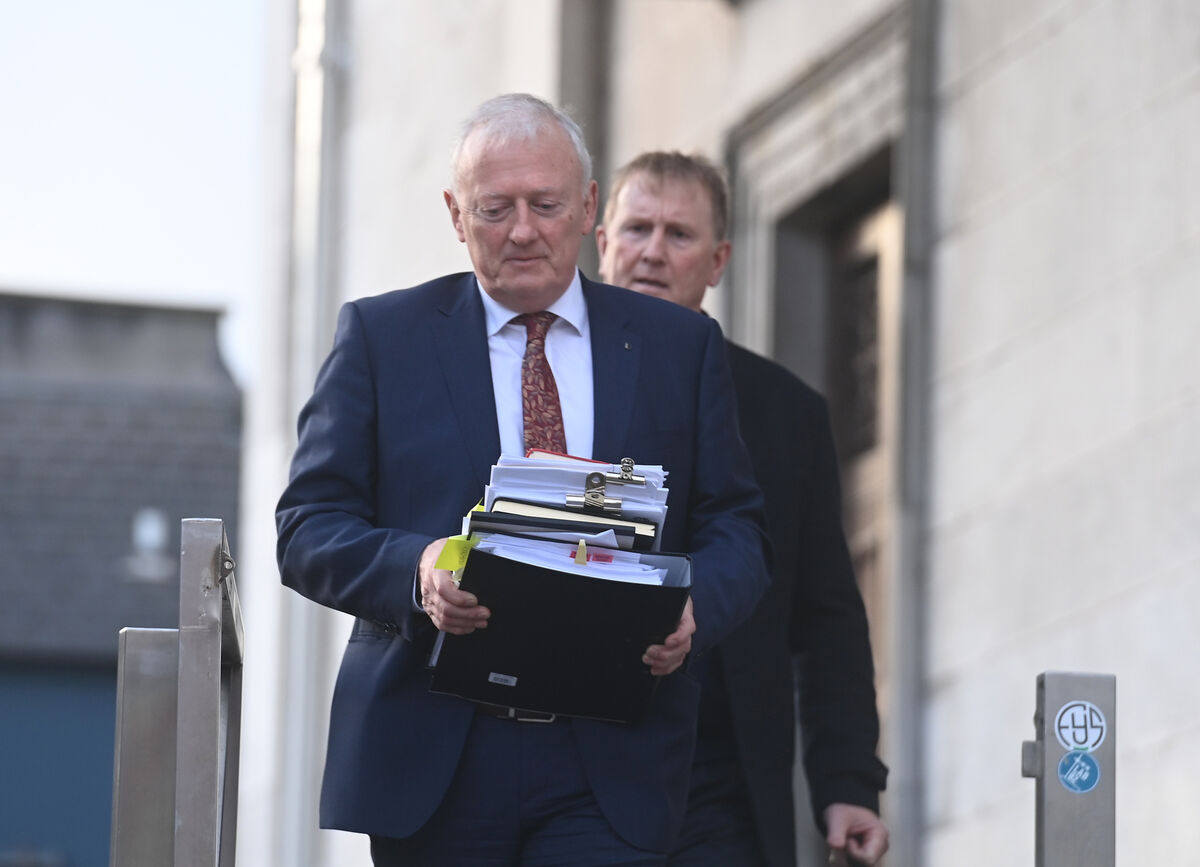
This comes as hiring of additional staff for the Cork City Coroners Office is taking place by Cork City Council, after coroner Philip Comyn repeatedly wrote to the council since 2019 raising concerns about a lack of resources for his office.
In a business case sent to the city council in November, provided to the on foot of a Freedom of Information request, Mr Comyn warned the risk of doing nothing is "significant with respect to the continued delivery of an inadequate service”.
“The office will be required to prioritise activities and restrict certain activities in order to continue to provide a service with the current inadequate staffing level.”
The business case outlined a waiting list would have to be developed for the issuing of death certificates, while there would also have to be the “creation of a prioritisation system to deal with urgent, complex cases leading to delays in the proper administration of the estates of the deceased not deemed to be urgent".
The recruitment of two staff is currently under way, according to Cork City Council. Mr Comyn’s business case has also sought the recruitment of two further staff later this year. There are already two staff members assigned to the office.
Public information officer for the society Pat O’Connor said a meeting would take place with the Department of Justice in early July “to discuss a number of matters of concern and interest to Coroners in Ireland”.
This meeting will hear concerns about the delayed turnaround of the toxicology reports — something which sources in the area say cannot be addressed immediately.
Not only does it depend on an allocation of funding to help secure extra staff in the area of toxicology but sources say there is also a need for an understanding on why there is an increase in the number of toxicology samples being forwarded to the laboratory.
CONNECT WITH US TODAY



Be the first to know the latest news and updates