Cabin fever: A cheap, eco-friendly response to the housing crisis

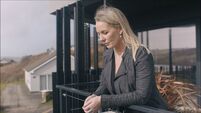
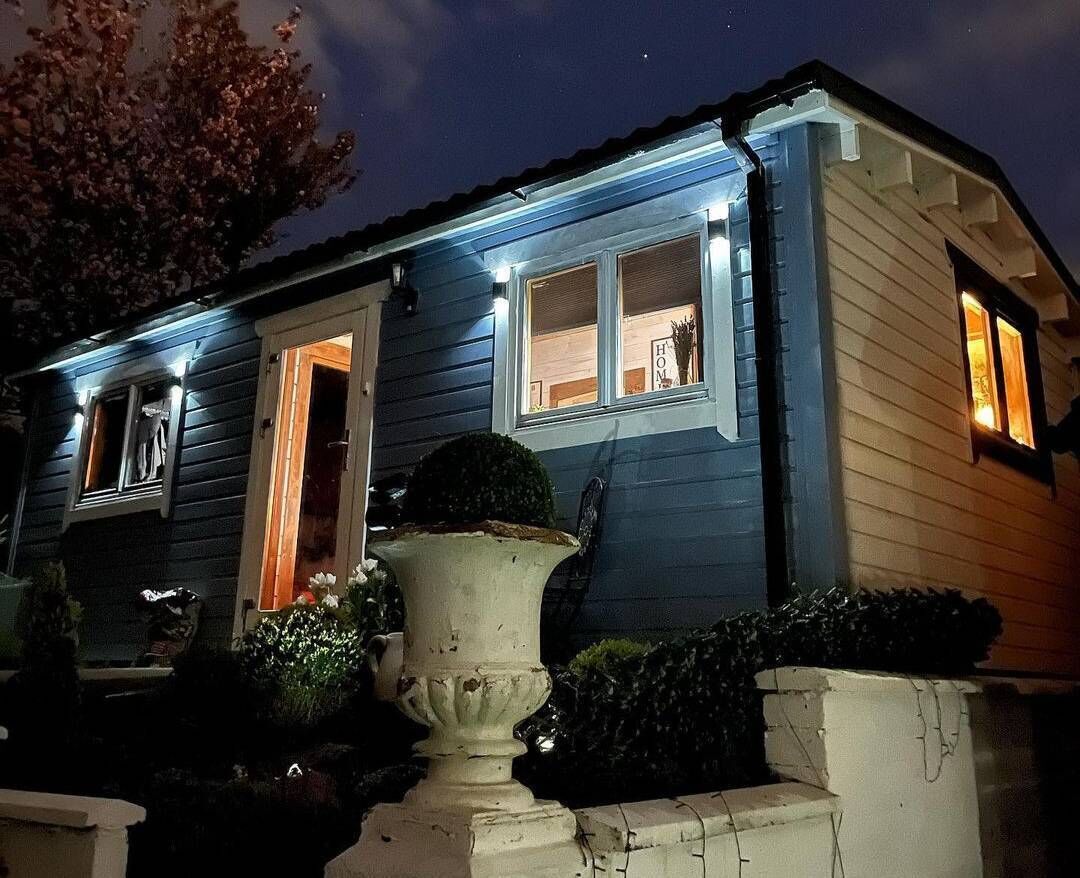
Alan O'Brien and Laurie O'Donnell, both 27, with their dog Púca outside their cabin home on the outskirts of Cork City.
The 27-year-old couple decided on cabin living, instead of forking out thousands of euro in rent and putting precious funds aside for a mortgage.
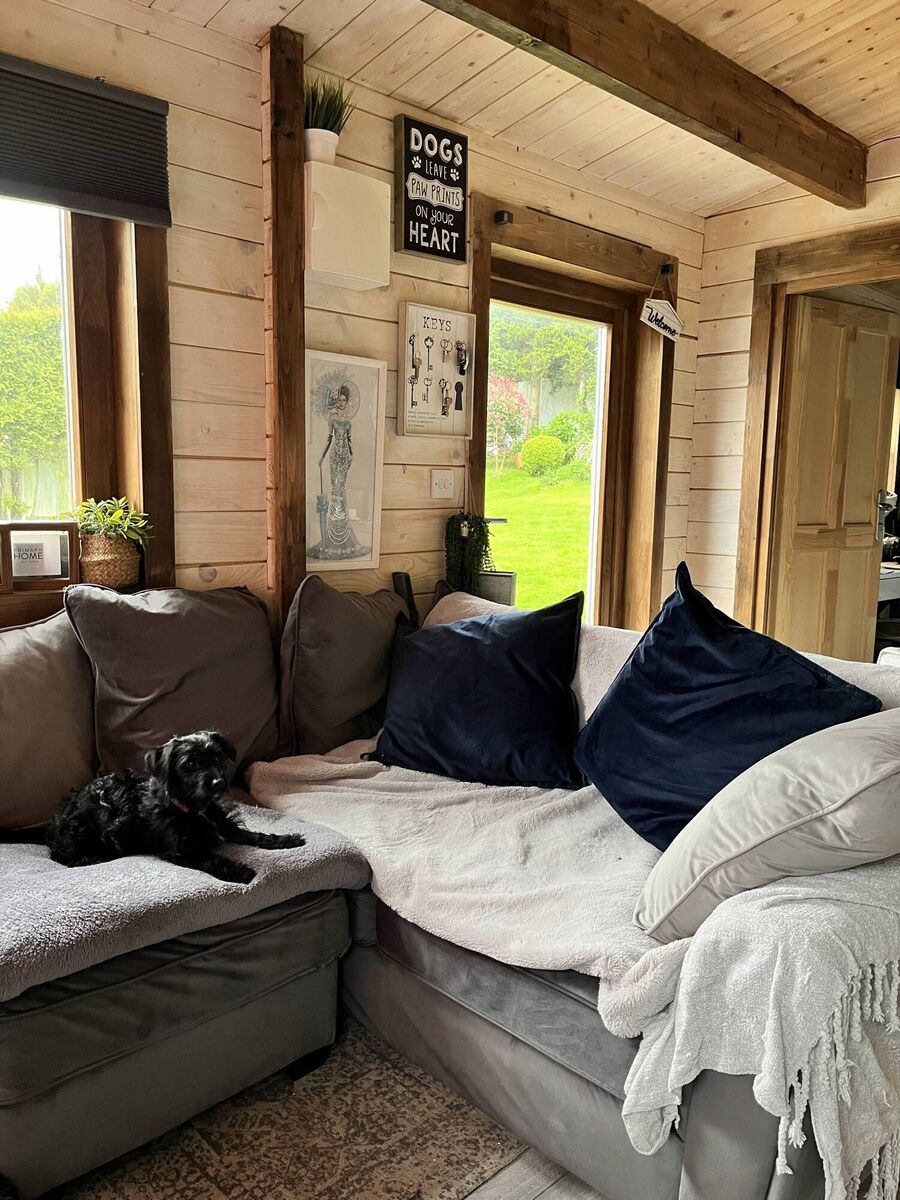
On the outskirts of Cork City, near the airport, Laurie and Alan have made the cabin their first home, complete with Jack Russell-spaniel cross Púca and hundreds of hours of loving care making it a place of pride and warmth.
It is the best decision they could have made, Laurie told the .
CLIMATE & SUSTAINABILITY HUB
She says she wants to outline their experience in the hope of persuading local authorities to relaxing existing planning laws surrounding the construction of cabin-like structures, so families young and old can finally have a home of their own, all the while easing the housing and rental crisis that has engulfed the country and led to a political conundrum over the past decade that leaders have not been able to solve.
Laurie’s parents had room at the end of their garden and the couple went about seeing if constructing their own home was possible.
Current planning restrictions put people off the notion of even exploring such options, but Cork County Council is one local authority that has signalled it is willing to look at it more closely, following testimony from councillors all over the county telling officials there are a large number of families who want to build such homes.
Secondary school English and history teacher Laurie, and radiographer Alan, who is now studying medicine, decided on a one-bedroom cabin, small enough in size that it is of no obstruction to neighbours of surrounding land, and small enough that it does not contravene size limits.
They enlisted Blessington and Cobh-based cabin building firm MyCabin.ie, which, Laurie says, was a dream to deal with.
“I had been thinking for a while it was the perfect solution, as I don’t have the travel bug and love being close to home. We’ve seen our friends leave Ireland for the likes of Australia and Canada because they are priced out of homes and rent is so expensive.
“While we wanted to stay put, independence is important to us, as is the sense of having our own home. However, Alan has gone on to study medicine, which is not cheap, and the idea of paying for that as well as thousands of euro on rent over the coming years, on top of saving for a mortgage, seemed impossible to us.
"Far from regretting it, it has been the best thing we could have done, and we love our home so much,” she says.
MyCabin.ie gave Laurie and Alan all the options, guided them through the construction process, and they hired local contractors to handle electrics, foundations, plumbing, and so on.
With everything in place, their new home was assembled in just three days, Laurie says.
“It was amazing. We have a one-bedroom home with a kitchen and living room and bathroom. Yes, it is small but it is so homely and cosy. The running costs are minimal.”
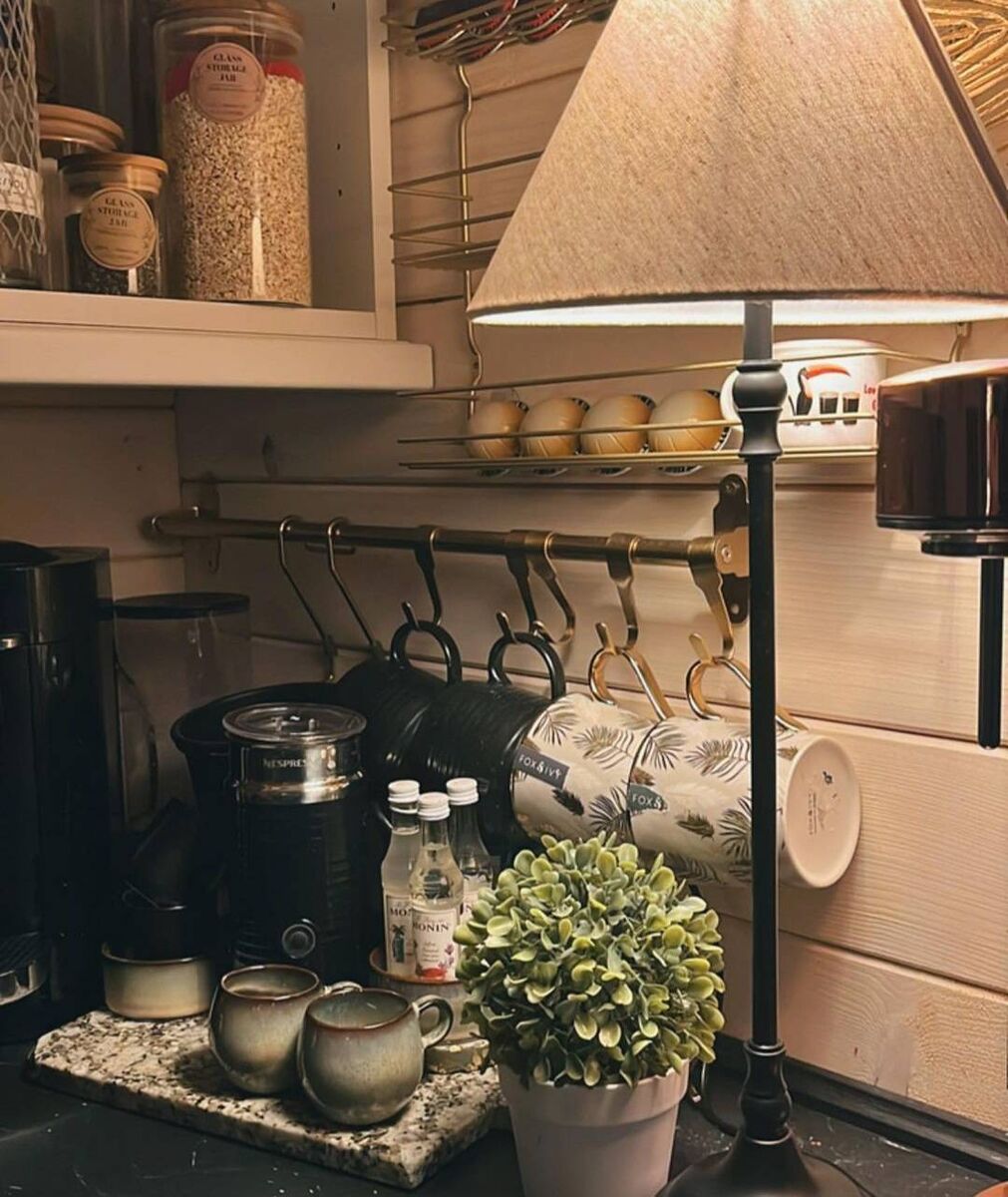
The eco-friendly side of it has been an added bonus, she says.
This should be an important factor to consider as the Government grapples with emissions reduction targets through to 2030.
Buildings, along with transport, are responsible for much of Ireland’s carbon emissions and will need to rapidly become more efficient in the coming years.
Laurie says: “We are spending €50 a month on electricity. We have one eco-radiator that heats the whole place — the wood keeps all the heat in. When the sun shines, it’s fantastic. We have no need for anything else, even in winter. It’s been an eye opener how efficient everything is.”
Laurie and Alan are one example of increasing numbers of people throughout the country who see cabin living as a way out of financial and familial perils.
Sean O’Riordan of the Irish Examiner reported last month that people hoping to build log cabins to use as homes in Co Cork are likely to see an easing of the rules around where such structures can be built.
Cork County Council generally only grants permission for such homes to be constructed on the edge of forestry but the local authority has agreed to review this policy, after councillors highlighted that the current restrictive rules mean applicants were being refused.
Young couples who cannot afford concrete/brick-built homes, which are on average four times the price of a cabin, are increasingly seeking this cheaper option to get a foot on the property ladder, a meeting of Cork County Council heard.
Fianna Fáil councillor William O’Leary said he had been contacted by constituents who had planning applications for log cabins refused, in rural areas but not next to forests.
Fine Gael councillor John Paul O’Shea, who leads his party on the council, agreed with Mr O’Leary, saying he, like several other local representatives, has had an increasing number of people approaching him about building such properties.
Council chief executive Tim Lucey said it was worth examining.
“It’s necessary for us to have a serious discussion around this,” he said.
Michael Lynch, the council’s director of planning, also says his unit is prepared to look into it.
For Laurie and Alan, policy change cannot come fast enough.
"I have friends who are at their wit’s end trying to come up with €1,200 a month on rent, and that is before saving for a mortgage and commuting.
“We won’t live in a cabin forever but we have to be realistic in that we won’t be able to afford a home until we are in our 30s. Cabin homes must be part of the solution. Ours has been health and safety checked and certified, it is insured and the likes of smoke alarms fitted. It is a legitimate home and we have loved being here the past two years.
“I know other families who have done the same but are reluctant to talk about it for fear of turning the heads of authorities and planners. But I feel it has to be part of the national conversation because this housing crisis is getting worse,” Laurie says.
Don Valatka of MyCabin.ie says his firm and many other small firms around the country are ready, willing, and able to step up to play their part if policy allowed it.
Of course, such firms need to be regulated to ensure homeowners and policymakers are satisfied and standards are high, he added.
“Planning permission is so difficult for so many people. These cabins are proper buildings and we can achieve so much from an emissions point of view, as well as helping to address the housing and refugee crisis.
“In Ireland with planning, it seems like you can build a house or a shed, there is no middle. With all the requirements needed, it defeats the purpose or concept of cheaper living. These cabins, with proper maintenance and care, can last for decades.”
Finding financial institutions willing to back young people by loaning them funds to build such cabins is also an issue, Mr Valatka says, as doubts around planning and other concerns arise.
According to specialist residential sales estate agency Auctioneera, under Class 3 of the General Exempted Development provisions of planning regulations, you do not require planning permission for a log cabin or garden room once you stay within certain exemption guidelines.
A guide on the firm’s website says: “You can have a garden room/log cabin structure on your property once it does not exceed 25sq m. By adding the garden room, you will also need to have 25sq m of remaining space in the garden at the side or the rear combined.
“The garden room can be a maximum height of 3m or up to 4m high for a pitched [tiled] roof. You have to be conscious of neighbouring properties in that a window on the garden room cannot be within 1m of a neighbour’s boundary.”
It adds: “The log cabin or garden room can be situated to the side or at the rear of your property. If you choose to locate it at the side of your home, you need to ensure that it is blended in well with the rest of the property, basically that it is not an eyesore. You may need to screen it off or put up a side gate to tick this box in order to stay within the exemption.”
Crucially, garden rooms/log cabins are exempt from planning when under 25sq m but cannot be used for living/sleeping accommodation, the firm says.
This is despite the log cabins available on the market in Ireland today being “sophisticated and engineered in such a way to promote comfortable habitable spaces”, in the firm’s specialist opinion.
The firm advises engaging the services of an experienced building surveyor before making an application for planning permission.
“They can advise you on orientation and finish for the garden room so you get the most from it and help you with your planning permission application. They will need to certify the finish of the log cabin in detail as part of the process and indicate that it complies with current building regulations,” it says.
For North Tipperary-based TinyHomes.ie, a bespoke homes firm operated by a father and son team, Steve and Colla McMahon, the current situation is frustrating.
Colla says: “We are a small business, doing between four and 10 tiny homes a year. Of those who have gone down the planning permission route, Cork County Council has allowed so-called “granny flats”, in other words, you can build such a structure in the back garden and get planning for that, and it is relatively straightforward.”
But, he says, the planning system in the country is “problematic” and puts a lot of emphasis on uniformity in many areas.
“If you can envision a rural area in Ireland where there is a certain type of house, and you are proposing to build a small timber house amongst all these other houses, in most cases the planners are going to say it doesn’t look anything like the houses currently in the area, so it is not something they will approve. There is a counter-argument that timber homes actually look really nice and blend in really well with Ireland’s natural surroundings.
“A lot of that is down to a lack of willingness from our planners to really embrace innovative solutions. The risk to go for planning permission, to pay for architects’ drawing, and paying for planning submissions — it’s money down the drain if refused. It’s too much of a risk.”
The current situation is punishing young people, he says.
“For first-time homeowners especially, who cannot get on the property ladder, small cabin homes are a perfect solution. It also applies to older people looking to downsize and freeing up equity to live a comfortable retirement.
"If you look at average sizes of gardens in Ireland, we are pretty generous when it comes to proportions. When you look at urban areas and we think we have no land to build on, we actually have fine-sized gardens in many cases where small homes would be a big part of solving the housing and rental crisis.
“In a time when we need innovative solutions to housing, planning is leaving us down.”
CLIMATE & SUSTAINABILITY HUB
CONNECT WITH US TODAY



Be the first to know the latest news and updates