Corkman reveals how 'Angels of Bessborough' helped women flee mother and baby home
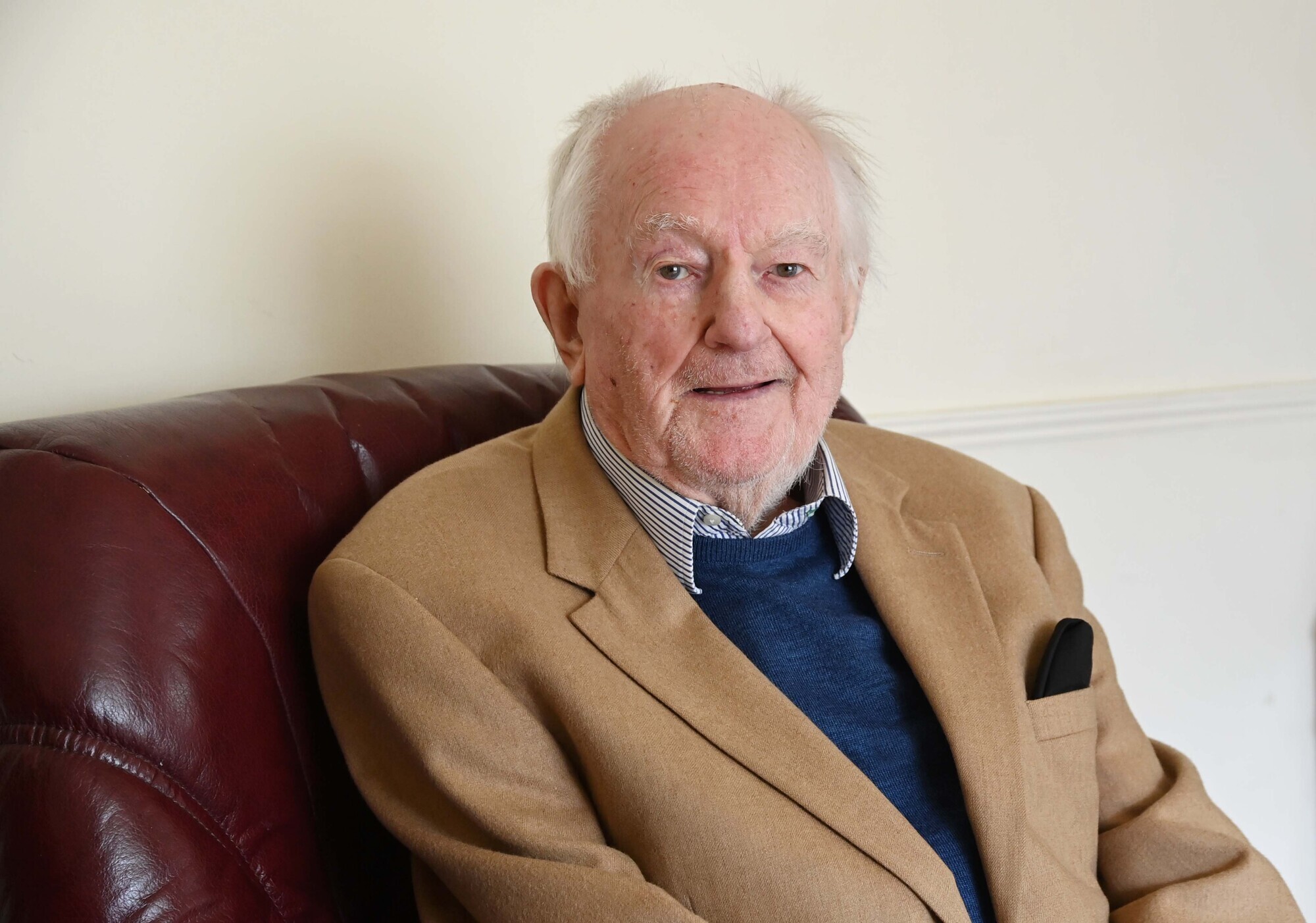
John Furlong: “We knew what was happening, I saw it myself. I saw nuns coming to the gate of Bessborough and parents collecting babies from them." Picture: Denis Minihane
A 92-year-old man has spoken for the first time about how he was part of a group of people who helped women escape from Bessborough Mother and Baby Home.
John Furlong was one of around 10 people who ran an unofficial group that relocated women who wanted to flee from the notorious Catholic institution.
The Congregation of the Sacred Hearts of Jesus and Mary oversaw Cork’s Bessborough institution, as well as Sean Ross Abbey in Roscrea and Castlepollard in Co Westmeath.
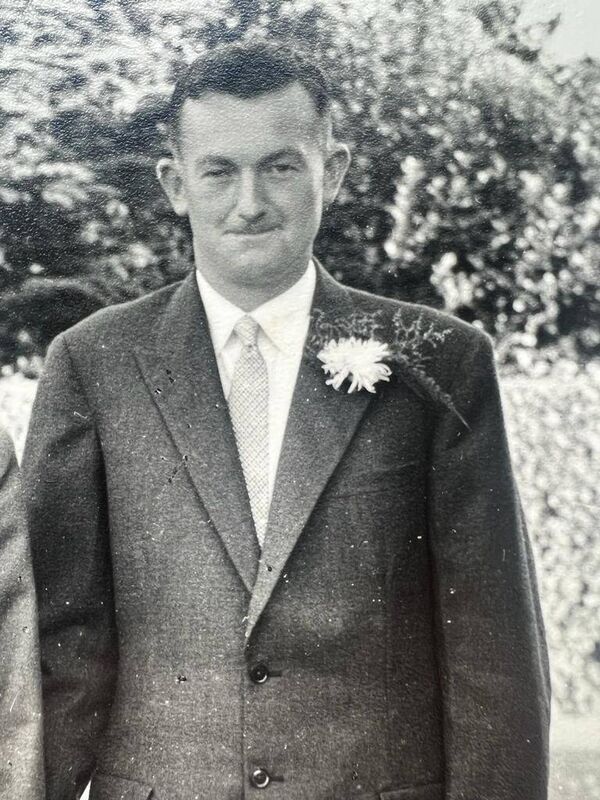
John said people did know what was going on in the religious run homes for unmarried mothers some of whose babies were forcibly taken and adopted. He said a small group of people who later became known as the “Angels of Bessborough” were willing to help the women escape to a new life.
Speaking to the , John said: “We helped the girls, but we kept our distance, too. It was a group that had to be protected — there was a certain amount of privacy that had to be acknowledged back then in order to protect the women who were escaping.
“The girls trapped there were almost imprisoned there, they couldn't get out. Local people knew what was going on and a few were determined to do something about it.
“So, we devised a plan between us. And we didn't do names, everything was changed, and everyone had a specific job that they did. I was young at the time, maybe in my early teens. My job, with another lad, was to keep watch on the local Garda — and his bike — who would be sent to search whenever a girl was reported missing."
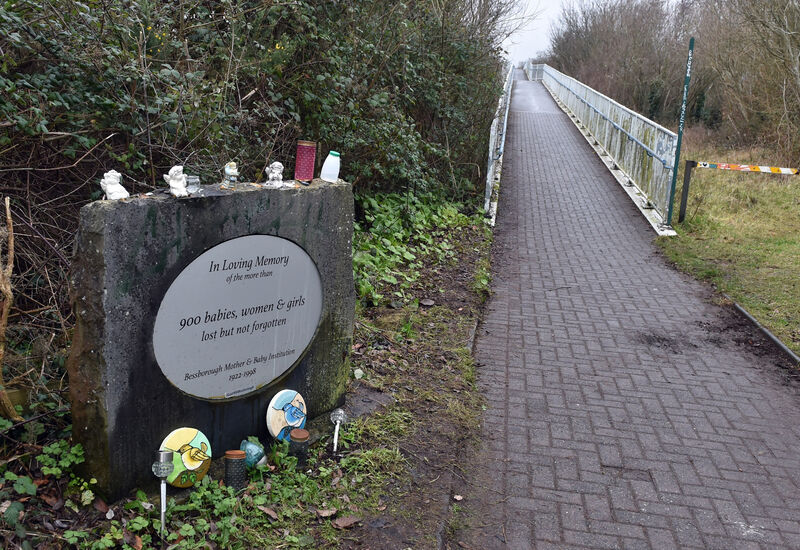
Bessborough opened in 1922 and according to the Commission of Inquiry into mother and baby homes, it operated until 1998. During that time, figures show 9,768 mothers and 8,938 children were admitted to the institution and 923 children are registered as dying during that time.
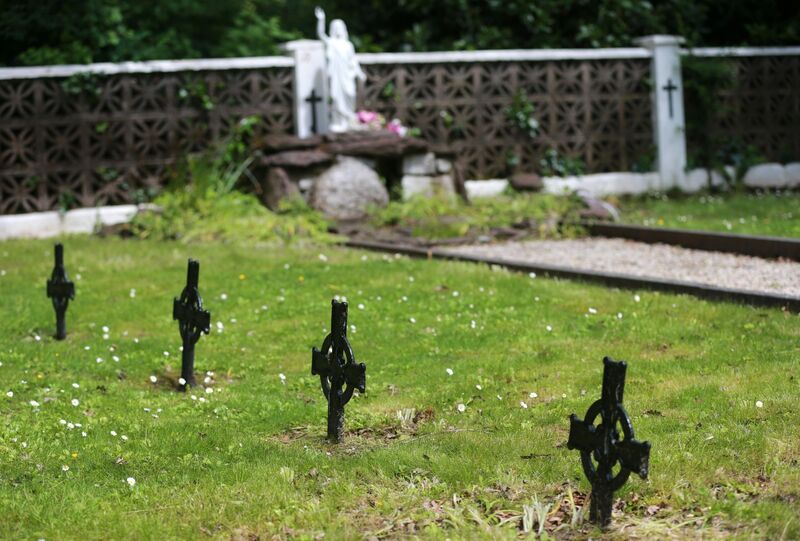
During its operation, eight women died in childbirth or pregnancy and Bessbrough failed to keep a register of infant burials — there is only one grave identified on the grounds of the former home.
In 2021 the revealed for the first time, the names of the children who died in the Bessborough home.
John Furlong grew up in Ballinure Cottages, near Bessborough with his sister Ann, who is now 81. They moved into the area when the cottages, whose gardens backed up against the Bessborough estate wall, were built in 1936.
Ann also spoke with the who said: “I don’t remember as much as John; he is older than me. It is unbelievable, what he achieved though, it’s phenomenal. He will be 93 in June.
“I remember those girls: they all wore dark flowered overalls, crossed on the front and tied at the back. Everyone called them ‘the girls’.
“My one outstanding memory — I was around 10 years of age at the time and standing at the top of the road at the intersection at the Ballinure Road.
“I remember thinking, ‘What is she after doing?’ It looked so bad. I didn’t know why the girls were in there at that time. We just thought they were captured and if we didn’t behave, we’d be captured too.”.
John described how a local man, working for the nuns on the convent farm at the time, was able to spot girls he knew were having a particularly hard time and needed help, or they would come to him. He said: “A plan was then put in place. He was someone they knew could help them, but it had to be done so carefully”.
The 10-foot wall dividing the convent from the cottages on the outside would be ‘doctored’ by having a few bricks removed on the convent side, thus enabling the girl to clamber over to the safety of the cottage where a local would be waiting to bring her to a safe house nearby.
“Here she was bathed and dressed and given everything she wanted right down to the hat and the umbrella. She would stay there until the hullabaloo of her escape had died down.
“The guard was sent on the bike looking for her. Me and another fella would take the bike and hide it for a while, but we’d always leave it back outside the barracks in Blackrock, but that would get him out of the way.
“We knew what was happening, I saw it myself. I saw nuns coming to the gate of Bessborough and parents collecting babies from them."
When the young girls got out of Bessborough they could expect to end up in the Irish communities in London. The key to the whole operation by the locals was their ability to have the girl whisked out of the country without any fuss or bother.
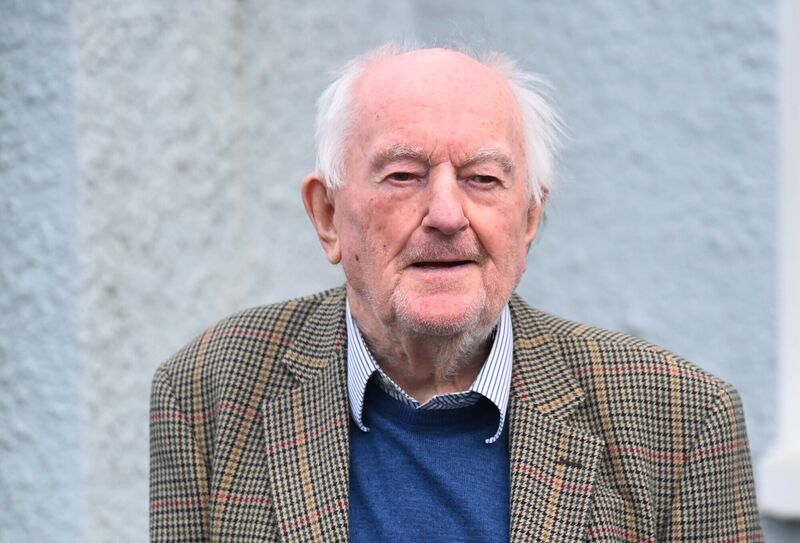
This was possible, John said, only because a local Blackrock man worked for the City of Cork Steam Packet Company Limited, the operators of the ferryboat, The Innisfallen, that sailed twice weekly between Cork and Fishguard.
The man was able to have the escapee ‘smuggled’ on board and, because he knew the layout of the boat, he could have her safely hidden away for the duration of the voyage. Without this facility and its almost underground route, the work of the ‘Angels’ would have little purpose.
John said: “To get her on the ship, there was a gangway on the boat and there was always a guard there. To get the policeman out of the way to get her on board we would pretend two cars ran into each other and there was a terrible row or a few of the local Blackrock lads would pretend to start a fight on the quayside and the guard would have to leave and look after the fight so the girl would be rushed up the gangway onto the boat.
“There were loads of girls that escaped. They went to Fishguard or Swansea and they were met by couriers or friends of ours, they would be given a ticket to go to London, to Cricklewood where they were among their own. Friends would be there and probably family there.
“There were plenty of lads working in the area and they would do a collection for the girls. Nobody really knew what anyone was doing, and it was all kept quiet. We all had a job, but we didn’t discuss it: that was the only way you could keep it quiet.”
At the time, the Blackrock people had a strong connection with the Ford plant on The Marina and the Ford plant in Dagenham, outside London. There was a constant interchange of workers between the Cork and Dagenham factories.
The Blackrock men who moved to Dagenham and returned were known locally as ‘Dagenham Yanks’. This close connection made it easy to have the escaped girl looked after in London by local Blackrock people who had settled in Dagenham.
John said he rarely saw any of the escapees again, but some did return.
He said: “Some came back and thanked us, but we didn’t do it for that. We never mentioned names and that’s why I don’t want to mention them now. But there were good people in the world and some people did try and help.
“I will always be sorry for those who didn’t get away and when it all came out a few years ago, I remember thinking, we knew that was going on, everyone knew. But some tried to help”.

CONNECT WITH US TODAY



Be the first to know the latest news and updates